A Famicom add-on that traded cartridges for rewritable disks — and gave Zelda its harp.
About the Family Computer Disk System
The Family Computer Disk System launched in Japan on February 21, 1986. An expansion unit that clipped beneath the Famicom, it introduced rewritable magnetic disks, expanded storage, and a dedicated wavetable sound chip — and with them, a completely new model for how games could be sold. For ¥500 at a shop kiosk, you could overwrite your disk with a different game. This was Nintendo's answer to two problems at once: the high cost of ROM cartridges and the hunger for larger, more ambitious games.
The Disk System added one channel to the Famicom's five. That channel is Zelda's harp.
The Famicom's audio hardware has five synthesis channels: two square-wave pulse generators, a triangle-wave generator, a noise generator, and a delta modulation channel for sampled sound. Every composer on the Famicom worked within this architecture — until 1986. The Disk System added a sixth channel: a wavetable synthesis unit built into the RAM Adapter, using a 64-step waveform table and a small internal buffer. It produced a softer, rounder tone than the Famicom's pulse waves could achieve — the way a plucked string sounds different from a beep. The harp figure that opens the dungeon theme in The Legend of Zelda comes from this channel. So do the bass tones that give planet Zebes its feeling of cold, empty space in Metroid, and the melody lines of Castlevania's baroque soundtrack. Composers who mastered this channel — Koji Kondo, Hip Tanaka, Kinuyo Yamashita — produced music that felt unlike anything else on the Famicom, because technically it was. The Disk System was discontinued. The games it made possible became classics. The channel was their instrument.
Design Characteristics
Form & Feel
The Disk System is a rectangular expansion unit — roughly the same footprint as the Famicom itself — that connects beneath the console via the expansion port on the Famicom's underside. Its most distinctive visual element is the yellow Disk Card: a proprietary Quick Disk format, 71 mm × 76 mm, housed in a hard plastic shell. The yellow colour was not chosen arbitrarily; Nintendo wanted the Disk Cards to be immediately distinguishable from other storage media on a shelf. The RAM Adapter — a small cartridge-like dongle that plugs into the Famicom's cartridge slot — serves as the bridge between the Disk Drive unit and the console, containing 32 KB of program RAM and 8 KB of character RAM. The drive itself contains a belt-driven mechanism for the Quick Disk; this belt is now the most common mechanical failure in surviving units, and replacement belts are one of the most traded parts in the Famicom repair community.
Era & Context
The World It Was Born Into
In 1986, Japan was entering the late years of its consumer electronics boom. Home computers — NEC's PC-88, Sharp's X68000, Fujitsu's FM-7 — competed aggressively. The Famicom had already established itself as the dominant home gaming platform, but the software industry was reaching the limits of cartridge-based distribution. Developers wanted to make larger games; consumers wanted cheaper ones. The Disk System arrived at exactly this intersection. For Nintendo, 1986 was also the year they would prove the commercial viability of the open-world adventure game: The Legend of Zelda launched as the Disk System's most high-profile title, demonstrating that a game could sustain hours of non-linear exploration on a consumer platform. The success of Zelda — and the subsequent release of Metroid and Castlevania on the same medium — defined what the Disk System was for: ambitious, immersive games that pushed beyond what cartridges could offer.
Engineering
How It Was Built — and Why
The Disk Card format is a Quick Disk variant — a 2.8-inch magnetic floppy proprietary to Nintendo. Each card holds approximately 112 KB of data (56 KB per side, two sides), compared to a typical early Famicom cartridge's 32–64 KB. The RAM Adapter contains the Ricoh 2C33 ASIC, which manages disk read/write operations, and provides the CPU and PPU with the data read from disk into on-board RAM. The most significant engineering addition, however, is the sound: the Disk System adds a single wavetable synthesis channel — the RP2C33 audio unit — to the Famicom's existing five-channel PSG. This extra channel uses a 64-step waveform table and a small internal RAM for wave data, producing a softer, more rounded tone that composers used for melody lines, bass, and ambient texture. The sound of The Legend of Zelda's dungeon themes, Metroid's atmospheric dread, and Castlevania's baroque rococo are all inseparable from the Disk System's audio hardware. The Disk Writer kiosk — officially the "Disk Writer" — was a proprietary retail writing machine that Nintendo deployed in authorised shops. It could overwrite a customer's Disk Card with any title from Nintendo's catalog for ¥500. This "subscription-like" model was decades ahead of digital distribution, and its cultural impact — the ritual of going to the shop to "rewrite" your disk — became a shared memory for a generation of Japanese children.
Design Philosophy
The Belief Behind the Machine
"Games should be affordable, accessible — and rewritable."
The Disk System embodied a simple conviction: games should be affordable, accessible, and rewritable. ROM cartridges in 1985 Japan were expensive — not because Nintendo wanted high prices, but because VLSI chip fabrication in that era was genuinely costly, and the expense was passed to consumers. The ¥500 disk rewrite was Nintendo's attempt to lower the barrier to entry. Masayuki Uemura, the engineer who designed both the Famicom and the Disk System, later described the rewrite service as an attempt to make games feel more like rental or subscription than a permanent purchase — an intuition about how software could be sold that the industry would not fully explore for another thirty years. The Disk System was ultimately replaced by ROM cartridges — not because the concept was wrong, but because the economics shifted. By the late 1980s, MMC mapper chips had allowed cartridge sizes to rival the Disk Card's 112 KB. Cartridges were more durable, had no loading time, and required no belt mechanism that would fail with age. The Disk System's service model quietly ended in 2003; hardware repair support ended in 2007. What it left behind is a catalog of games — The Legend of Zelda, Metroid, Castlevania, Doki Doki Literature Club's spiritual ancestor Famicom Detective Club, Kid Icarus — that defined what could be imagined on an 8-bit machine when storage was no longer the constraint.
Birth Story
How the Famicom Disk System Was Born
The Problem with Cartridges
By 1985, the Famicom had become a phenomenon in Japan, but it had a structural problem. ROM cartridge manufacturing was expensive: the cost per megabyte of ROM storage in 1985 was high enough that the most ambitious games were commercially impractical. A game like The Legend of Zelda — with its battery-backed save system, its layered world design, its requirement for the player to revisit areas across many hours of play — needed more storage than any cartridge that could be priced for the mass market. Masayuki Uemura's team was given a problem: build a storage medium that could hold more data at lower cost.
The Floppy Solution
The Famicom Disk System was Uemura's answer. A proprietary floppy disk format — the Quick Disk, licensed from Mitsumi — offered 112 KB per side, for 224 KB total per disk. This was modest by later standards, but compared to the Famicom's cartridge-based games (typically 8 to 64 KB of ROM in 1986), it represented a meaningful expansion. More importantly, the per-disk manufacturing cost was lower than cartridge production, and disks could be rewritten — Nintendo established a network of 'Disk Writers' in shops where players could overwrite old disks with new games for ¥500.
February 21, 1986
The Famicom Disk System launched on February 21, 1986, at ¥15,000 for the disk drive peripheral and RAM adapter. The launch library included six games: the two that defined the platform's legacy — The Legend of Zelda and Super Mario Bros. 2 (known in Japan as a Disk System exclusive) — were either at launch or within the first weeks. The demand was immediate: Nintendo had underestimated how strongly the Zelda brand would drive hardware sales, and the Disk System sold through its initial production run rapidly.
The Games That Needed It
The Disk System's storage enabled games that could not exist on cartridge in the form their designers intended. The Legend of Zelda (1986) required battery-backed save storage to allow players to return to an in-progress world — a feature that cartridges would not offer widely until 1987. Metroid (1986) — developed by Yoshio Sakamoto and Gunpei Yokoi's team — built an interconnected world of tunnels and chambers that rewarded exploration and backtracking; its scope required the Disk System's capacity. Kid Icarus (1986), Famicom Mukashi Banashi (1989), and Doki Doki Panic (the game that became Super Mario Bros. 2 in North America) all made their debut on disk.
The Decline
The Disk System's relevance declined from 1988 onward as ROM cartridge costs fell rapidly. By 1989, a cartridge could hold more data than a disk at a comparable manufacturing cost; by 1990, games that would have required disk storage were appearing on cartridge. Nintendo's own first-party support for the format wound down: Super Mario Bros. 3 (1988) — the game that might have been the Disk System's defining title — appeared on cartridge instead. The Disk System was discontinued in Japan in 2003, still nominally in production twenty-seven years after its launch, but its creative peak had passed in 1988. What it left behind — Zelda, Metroid, Kid Icarus — was the entire foundation of Nintendo's action-adventure legacy.
Reflection
What Lasts
In 1986, Shigeru Miyamoto was given a problem: make a game that could take eight or ten hours to complete, in which the player could stop and come back, in which a world could persist across many sessions. The cartridges of 1986 could not hold enough data, and they could not save. The Famicom Disk System could.
The Legend of Zelda launched on February 21, 1986, on the same day as the Disk System itself. Miyamoto had designed an interconnected world of dungeons and overworld that rewarded a player who paid attention over many hours — a structure that required the Disk System's battery-backed save to be possible at all. Without the Disk System, there is no Zelda. Without Zelda, the action-adventure genre as it developed in the late 1980s and 1990s does not exist in the form it exists.
"Sometimes the hardware exists to make room for the software that defines a generation."
Metroid arrived the same year. Kid Icarus. Famicom Mukashi Banashi. Doki Doki Panic, the game that became Super Mario Bros. 2 in North America. Each of these games required the Disk System's storage to be the game it was. The hardware was a tool, and the tools we use shape the things we make.
The Disk System was discontinued in 2003, seventeen years after it launched. By then it had been irrelevant for more than a decade. But the games it made possible — Zelda and Metroid above all — have never been irrelevant. The hardware passes. The work it enabled is permanent.
Did You Know
Disk Writer Kiosks Operated for 17 Years
Nintendo installed Disk Writer kiosks in toy and hobby stores across Japan that allowed customers to rewrite new games onto their Disk Cards for ¥500, approximately one-sixth the price of a new game. In 1987, select kiosks were also provisioned as Disk Fax systems for Nintendo's first online concept. The kiosk service remained available until 2003, seventeen years after the system's 1986 launch.
Added a Wavetable Sound Channel
The Disk System's RAM adapter contained a Ricoh RP2C33 chip that added an extra wavetable synthesis sound channel to the Famicom. This channel could produce custom waveforms using 64 programmable wave samples with 33 volume levels. Of the 206 licensed FDS games released, at least 71 utilized this audio channel for enhanced music and sound effects.
Before You BuyWhat to watch for, so you don't regret it
The Famicom Disk System is an add-on, not a standalone console: it needs a Famicom, the RAM adapter (HVC-023), and the connecting cable (HVC-015) to function. It was a Japan-only release (February 21, 1986), so units expect Japan's 100V supply and run on the HVC-025 adapter (DC 9V, centre-negative) or six C-cell batteries. The defining risk is the rubber drive belt, which degrades by hydrolysis over decades; most untested units fail because of it. The 500-yen Disk Writer rewrite service ended in 2003 and repair support in 2007.
Full buying guide →Caring for One You OwnKeeping a vintage machine running
You found the drive. Maybe the belt is fresh, maybe it still needs one. Either way, the machine in front of you is a magnetic disk drive built in 1986 — and magnetic drives were never meant to run for forty years. This is not a repair manual. It assumes no soldering iron and no oscilloscope. What it assumes is that you would rather understand the machine than be surprised by it — because almost everything that goes wrong with a Disk System is something you can see coming. The Disk System is also unlike the Famicom it attaches to. The Famicom is solid-state: chips and a slot, nothing that moves. The Disk System has a motor, a belt, a moving head, and disks with magnetic film left mostly exposed. More moving parts means more to understand — and more that rewards a little attention. What ages inside. What you can do yourself. Where a specialist takes over. Three sections, in that order.
What Ages Inside a Disk System
- The drive beltEvery conversation about the Disk System begins here, and for good reason. A single rubber belt turns the motor's effort into the spinning of the disk. Rubber does not survive four decades unchanged — it hardens, stretches, and eventually breaks down through hydrolysis, the slow chemical reaction between rubber and the moisture in ordinary air. The failure has a signature. The motor still hums, but the disk barely turns or does not turn at all, and the screen shows Error 01 — disk not recognised. This is not a rare fault that some units develop. It is the default condition of every original belt that has not already been replaced. If a drive has not been serviced, assume the belt is at or past the end of its life.
- The disks themselvesThe Disk System stores games on the Quick Disk — a magnetic format, closer in spirit to a cassette tape than to a CD. There is no laser and nothing optical; a physical head rests against magnetic film and reads it directly. Most yellow game disks have no sliding shutter over that film — unlike the 3.5-inch floppies that came later, the recording surface sits almost exposed. Dust, humidity, fingerprints, mould, and ultraviolet light all reach it, and the magnetic signal itself fades with the years. A meaningful share of surviving disks have developed read errors for this reason. A perfectly serviced drive cannot recover a disk whose film has died — the two problems are separate, and Error 20 (the licence screen cannot be read) often points to the disk or a dirty head rather than the belt.
- The capacitors in the RAM adapterThe cartridge-shaped RAM adapter is not a passive connector — it carries its own small circuit board, and on it, electrolytic capacitors. These age on their own schedule whether the unit is played or left in a closet. When one leaks, the symptom is distinctive: a black screen, sometimes with a faint repeating click, even when the drive and belt are sound. It is easy to blame the drive for a fault that lives in the adapter. If a serviced drive still will not boot, the adapter board is the next place a careful owner looks.
- Contacts, the head, and the battery compartmentThree smaller things age quietly. The read head gathers residue — dust, and the sticky remains of a perished belt — and a fogged head reads poorly even when everything else is right. The RAM adapter's edge connector and the cable between adapter and drive oxidise like any metal contact left in open air. And the drive draws power from six C-cell batteries in a compartment on its underside; batteries left in place for years leak, and corrosion creeps across the terminals and the traces beneath them.
What Good Care Looks Like
- Take the batteries outThe single most useful habit, and the easiest. If you are not using the drive, remove the six C cells. A leaking battery left in a stored machine does more lasting harm than years of ordinary use — the corrosion it leaves behind is far harder to undo than the inconvenience of slotting batteries back in when you next play.
- Store the disks like the fragile things they areBecause the magnetic film is barely protected, the disks need more care than the hardware. Keep each one in its sleeve and case, in a cool, dry, dark place — a packet of silica gel earns its keep here. Never touch the exposed film, keep the disks away from anything magnetic, and keep them out of direct sun. One small mechanical note: each disk has a write-protect tab at its corner. Snap it off and the disk can no longer be written to (you will see Error 03 if a game tries). The change is reversible — a piece of tape over the gap restores writing — so it is nothing to fear, only something to recognise.
- Clean the head and contacts before you blame the diskWhen a drive throws Error 20 or Error 27, the instinct is to assume the disk is dead. Often it is not. A cotton swab lightly dampened with isopropyl alcohol of 91 percent or higher — the high-concentration kind, because the water in weaker formulas is exactly what you are trying to avoid — will clean a fogged read head and frequently bring a 'bad' disk back to life. The same alcohol and a fresh swab clean the RAM adapter's edge connector, the part that slots into the Famicom, the way you would clean any cartridge's contacts. Reach for alcohol rather than a contact-restorer spray; the spray leaves a residue that attracts the very dust you cleaned away.
- Give it the right powerThe Disk System runs on its six C cells or on its own AC adapter, the HVC-025, which supplies 9 volts of direct current with the centre of the plug negative. This matters because it is easy to grab the wrong adapter. The Famicom's own adapter, the HVC-002, is a different specification (10 volts) and is not interchangeable. An NES power supply is more dangerous still — it delivers alternating current where the Famicom hardware expects direct, and using one can damage the machine. All of this is Japanese 100-volt hardware. In a 110–120-volt country many people run it directly without trouble, though a step-down transformer is the cautious choice for regular use; in 220–240-volt countries a step-down converter is not optional.
Where Specialist Work Begins
Good care — batteries out, disks stored well, head and contacts kept clean, the right power — does more than most people expect. But there is a line between maintaining a working machine and repairing a broken one, and it is worth knowing where it falls.
- Belt replacementSooner or later, almost every Disk System needs a new belt. Fitting it is an intermediate-level job: precision screwdrivers, a small hex key, tweezers, alcohol to clear away the sticky remains of the old belt, and time. The new belt is not the end of the job. Once it is in, test the drive with a disk you know is good. If it does not read cleanly, the disk speed and the position of the read head have to be adjusted. If you are buying a drive that someone else has serviced, ask whether it was tested and adjusted after the belt went in.
- Head alignmentAdjusting the read head is specialist work. Its position is set against a test signal on an oscilloscope, a piece of electronic test equipment. If a new belt and a clean head still give Error 20 or Error 27 on disks you know are good, the head may need adjusting. That is the point to take the drive to a repair specialist.
- Recapping the RAM adapterWhen a capacitor in the RAM adapter has leaked, the fix is to replace it — which means desoldering the old part and soldering in a new one, and cleaning any residue it left on the board. Capacitor kits for the adapter exist, but the work calls for a soldering iron and the confidence to use it on a forty-year-old board. If that is not you, this is a clean, well-understood job for someone who does it often.
- The other path: skipping the mechanism entirelyThere is one more option worth knowing, because it dissolves the belt problem rather than solving it. Flash devices such as the FDSKey and FDSStick load games directly through the RAM adapter, leaving the drive, the belt, and the physical disks out of the picture. The Disk System's distinctive extra sound channel still plays, because it was always part of the adapter rather than the drive. This is not for everyone. A collector may want the disks, the drive, the small ritual of loading a game the way 1986 intended. But for someone who simply wants to hear these soundtracks the way they were written, without chasing belts, it is an honest and reliable answer.
The Sounds and Images of an Era
A single commercial that captures what the Disk System meant in 1986 Japan: two landmark titles — Super Mario Bros. 2 and The Legend of Zelda — sold together, launching the system to the public.
Super Mario Bros. 2 & Zelda — Twin Commercial
Disk System CM
Disk Rewrite Service CM
What I remember is the price. A disk cost 2,600 yen, but you could carry it to the rewriting kiosk in the shop and for 500 yen have it wiped and a different game written onto it. Five hundred yen was pocket money. It was the first time a game was a sum a child could actually hold in his hand, and I was very happy about that. And the writing machine itself, standing there in the shop — waiting in front of it while it worked was the whole thrill. So no, a disk arriving here with a label that does not match its contents is not a mystery to me. It is normal. That is what the machine was for. It also means every disk has to be tested before it can be sold, because plenty of them are simply broken. The drive is where the years show. The rubber belt goes, and people will tell you the belt is the repair. It is not. The read timing drifts — a little off here, a little off there — and if you want the machine to last a while longer you have to tune the whole mechanism, not one part of it. A machine built so that its contents could be replaced forever now needs someone to keep the body honest.
Games Born on the Disk System
The titles below were first published on the Disk System — not cartridge. Their full stories, collector's guides, and maintenance tips live on their Famicom game pages. The hardware that made them possible is here.
Originally on Disk System · 1986
The Legend of Zelda
ゼルダの伝説
The open-world adventure that made the Disk System matter. Battery-backed saves. A world you could get lost in.
Read more →Originally on Disk System · 1986
Metroid
メトロイド
Atmospheric, non-linear, and unlike anything before it. The Disk System's sound hardware gave Metroid its dread.
Read more →Originally on Disk System · 1986
Castlevania
悪魔城ドラキュラ
The baroque rococo soundtrack was only possible because of the Disk System's wavetable audio channel.
Read more →More from the Disk System
Beyond the landmark action trilogy, the Disk System enabled longer, text-driven experiences that cartridges of the era could not support — folk tales, mystery novels, adventures that had no equivalent outside Japan.
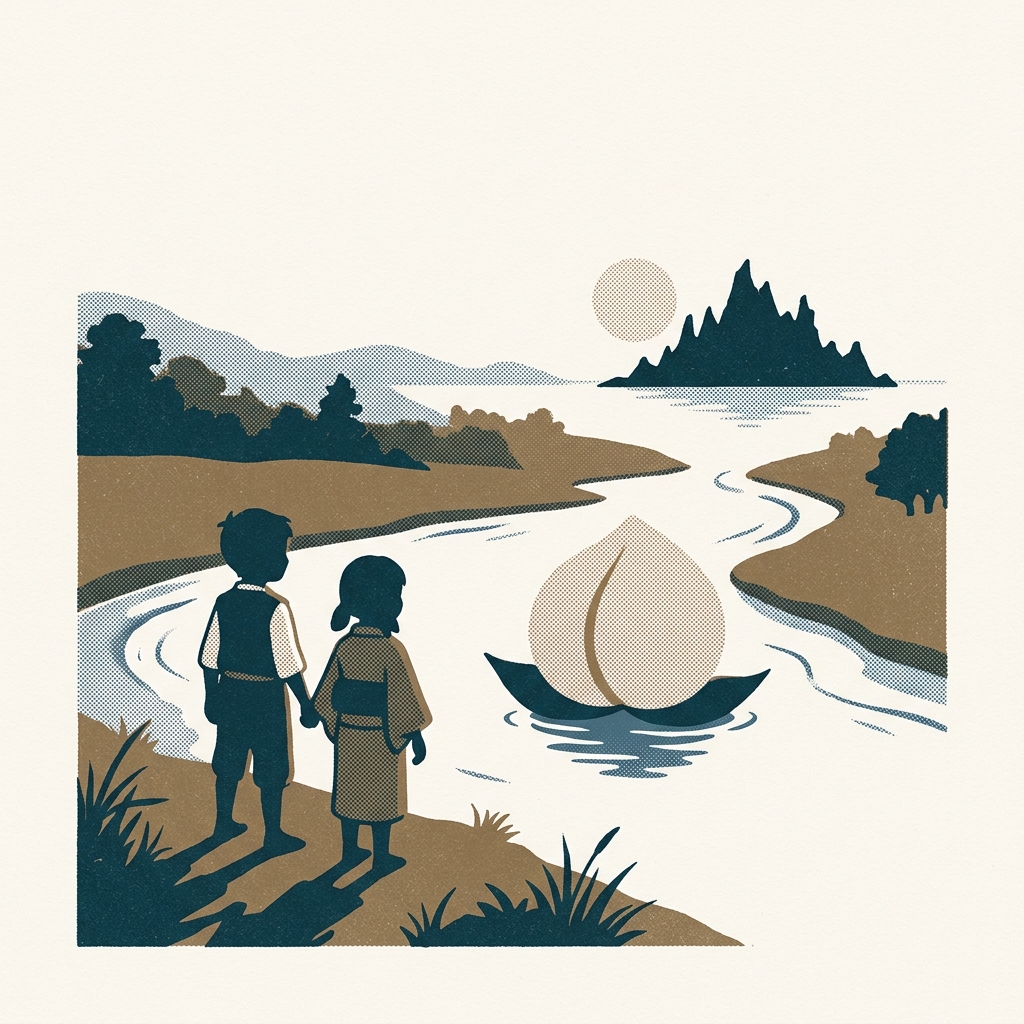 Uncommon
 Disk System · 1987
Famicom Mukashibanashi: Shin Onigashima
ふぁみこんむかし話 新・鬼ヶ島
On September 4, 1987, Nintendo gave the Famicom a game you played by reading. Four weeks later, on September 30, it gave…
Read more →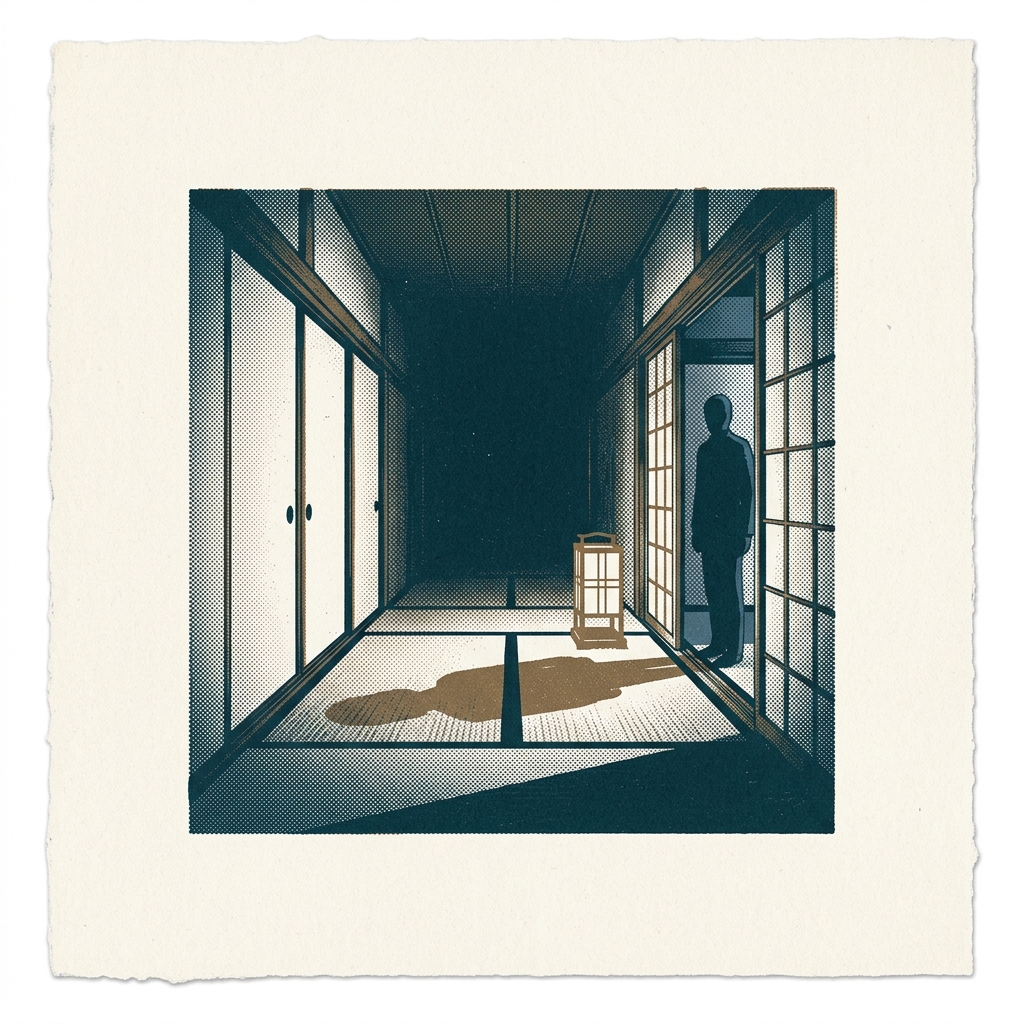 Uncommon
 Disk System · 1988
Famicom Detective Club: The Missing Heir
ファミコン探偵倶楽部 消えた後継者
Nintendo shipped a murder mystery in halves. The first disk went on sale on April 27, 1988. The answer did not arrive un…
Read more →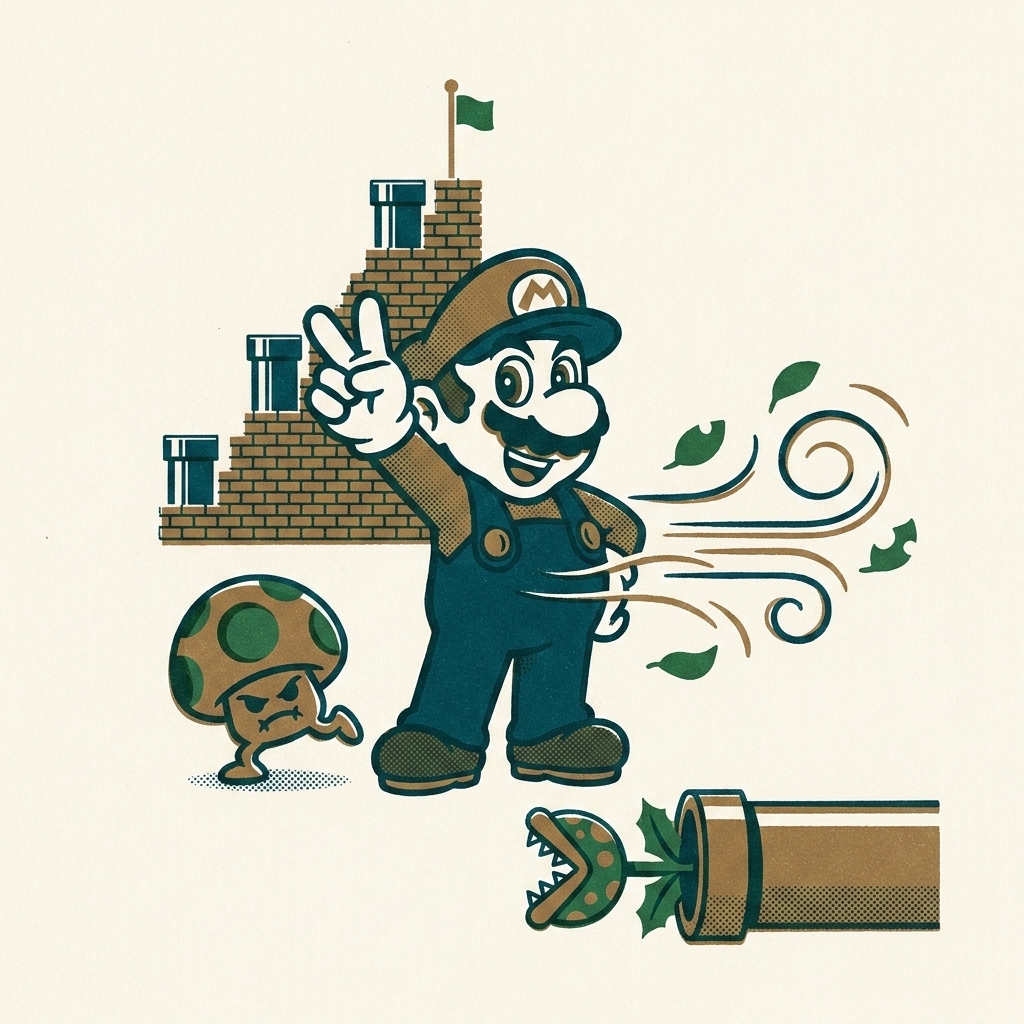 Uncommon
 Disk System · 1986
Super Mario Bros.: The Lost Levels
スーパーマリオブラザーズ2
Super Mario Bros. 2 (1986), released on the Famicom Disk System, is the direct Japanese sequel to Super Mario Bros. — a …
Read more →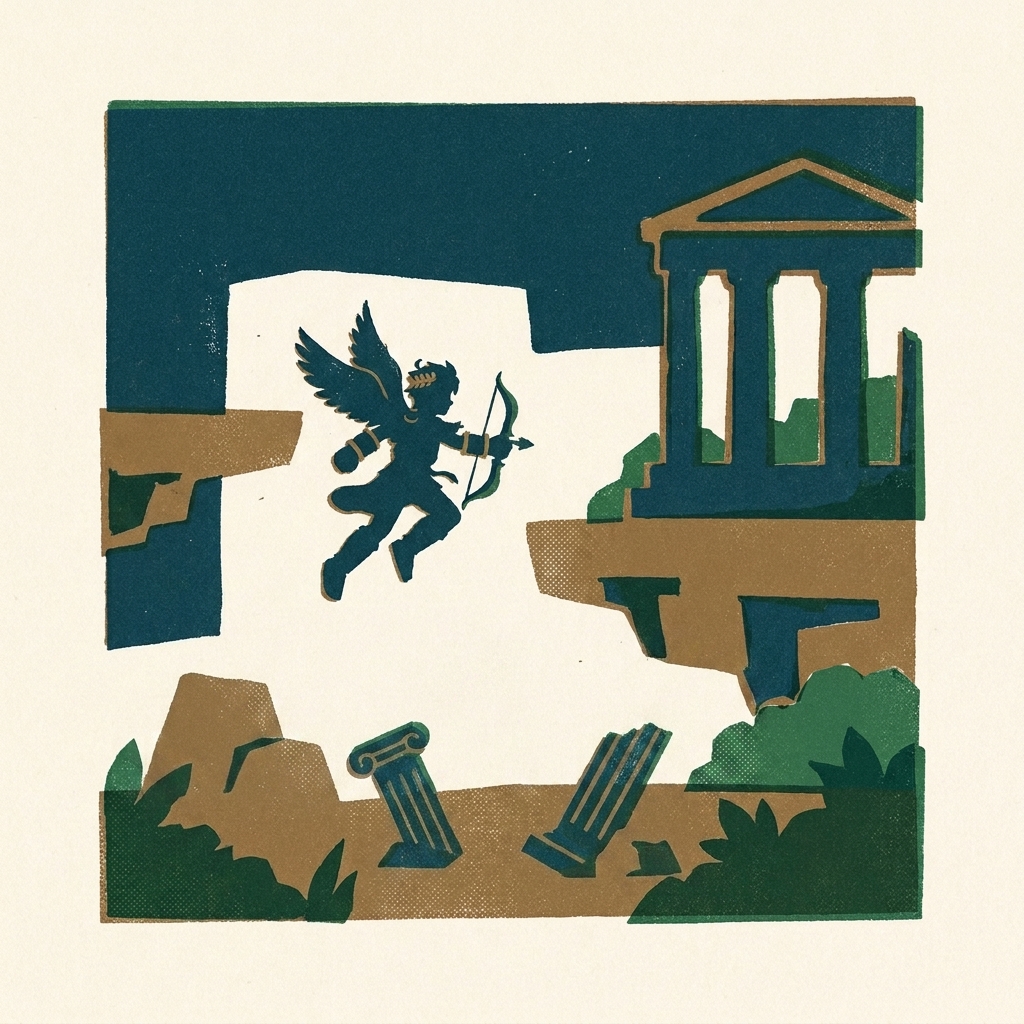 Uncommon
 Disk System · 1986
Kid Icarus
光神話 パルテナの鏡
Kid Icarus (1986), released in Japan as 光神話 パルテナの鏡 (Palutena no Kagami), is a Famicom Disk System action-platformer deve…
Read more → Uncommon
 Disk System · 1987
Yume Kojo: Doki Doki Panic
夢工場ドキドキパニック
Yume Kojo: Doki Doki Panic (1987) is a Famicom Disk System action platformer developed by Nintendo, created in partnersh…
Read more →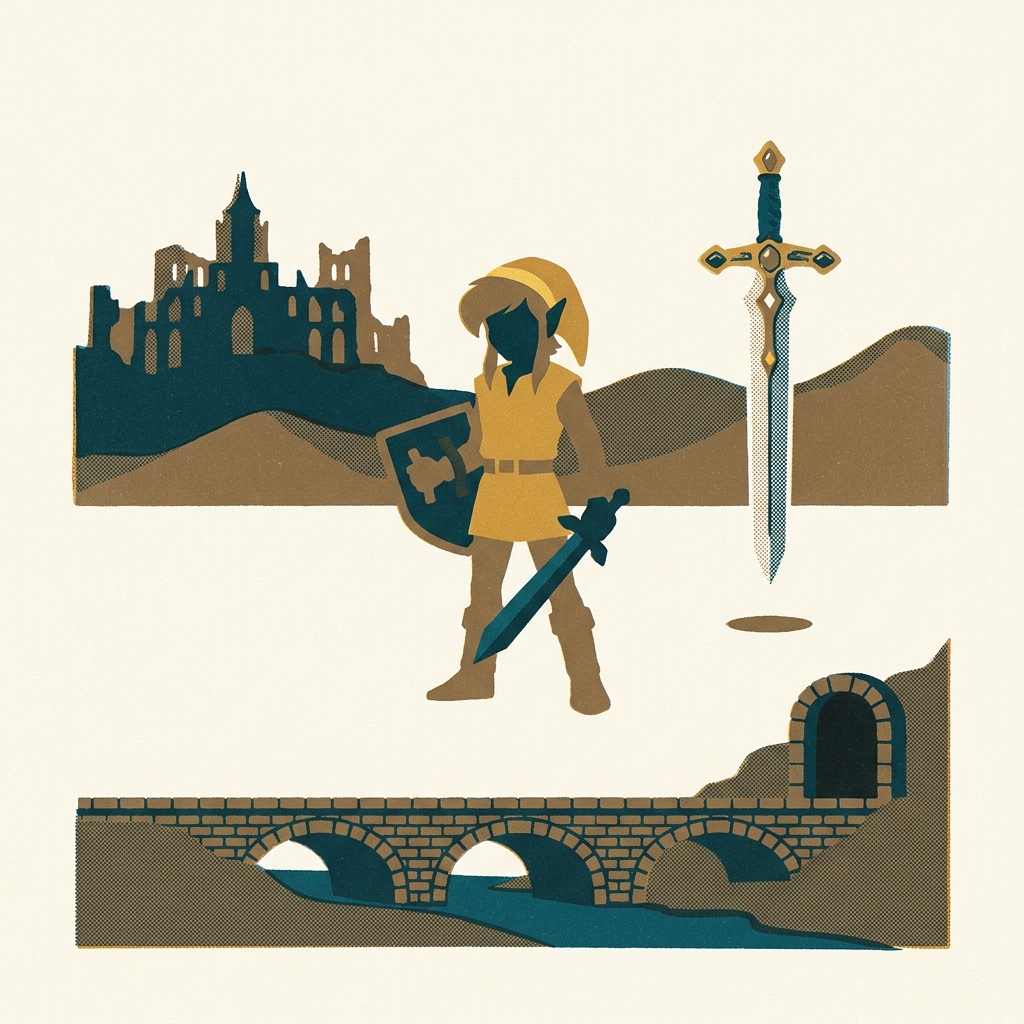
Disk System · 1987
Zelda II: The Adventure of Link
リンクの冒険
Zelda II: The Adventure of Link is the 1987 FDS sequel to the original Legend of Zelda, and the most radical departure t…
Read more →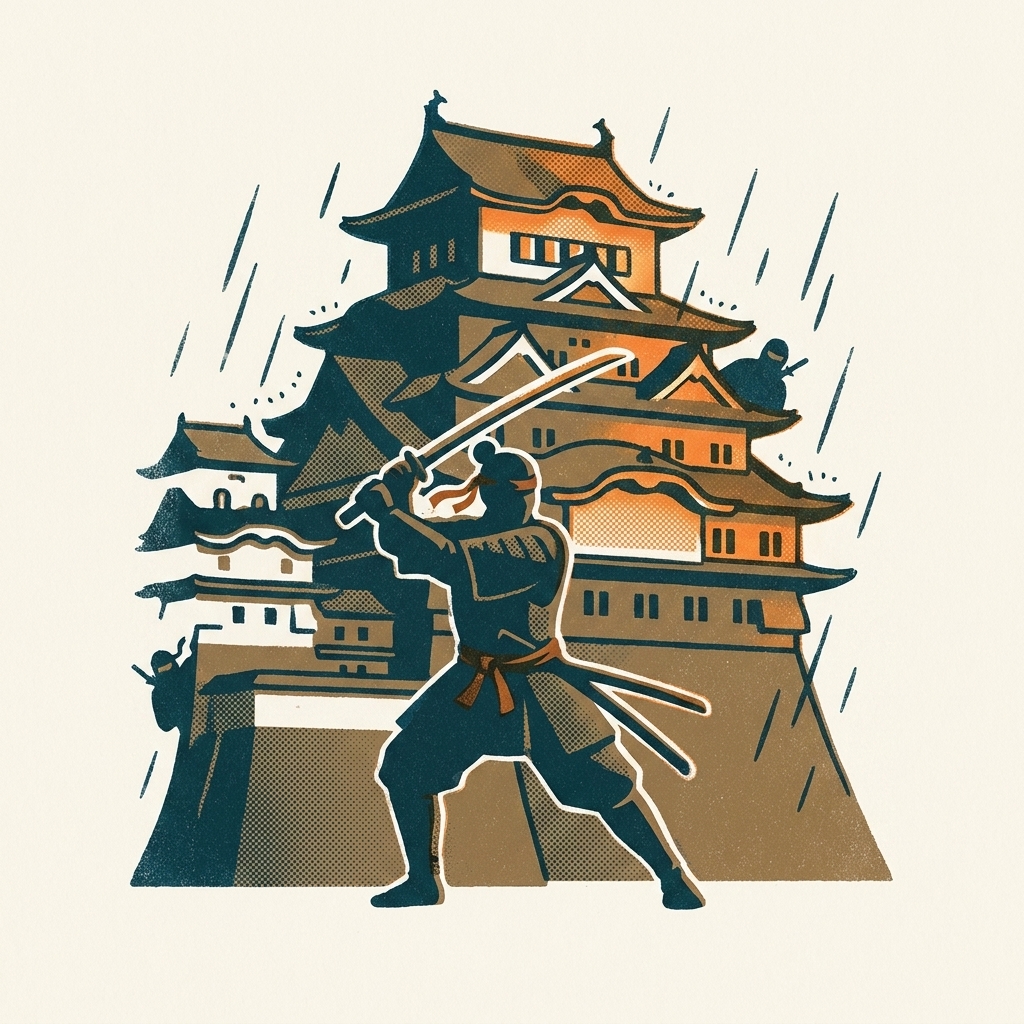 Uncommon
 Disk System · 1986
The Mysterious Murasame Castle
謎の村雨城
The Mysterious Murasame Castle is the second original title released for the Famicom Disk System, launching just two wee…
Read more →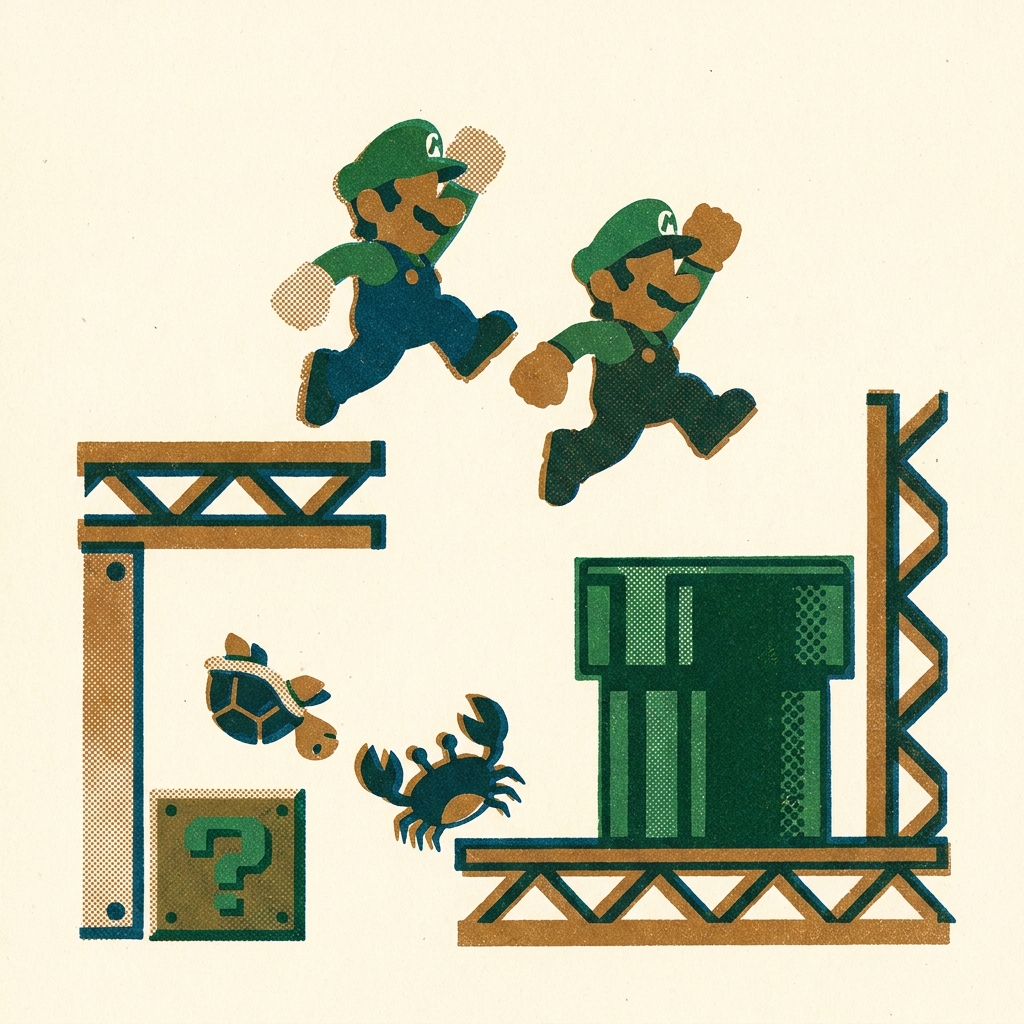 Very Rare
 Disk System · 1988
Kaettekita Mario Bros.
帰ってきたマリオブラザーズ
Kaettekita Mario Bros. is a 1988 FDS title released exclusively through Nintendo's Disk Writer rewrite service — never s…
Read more →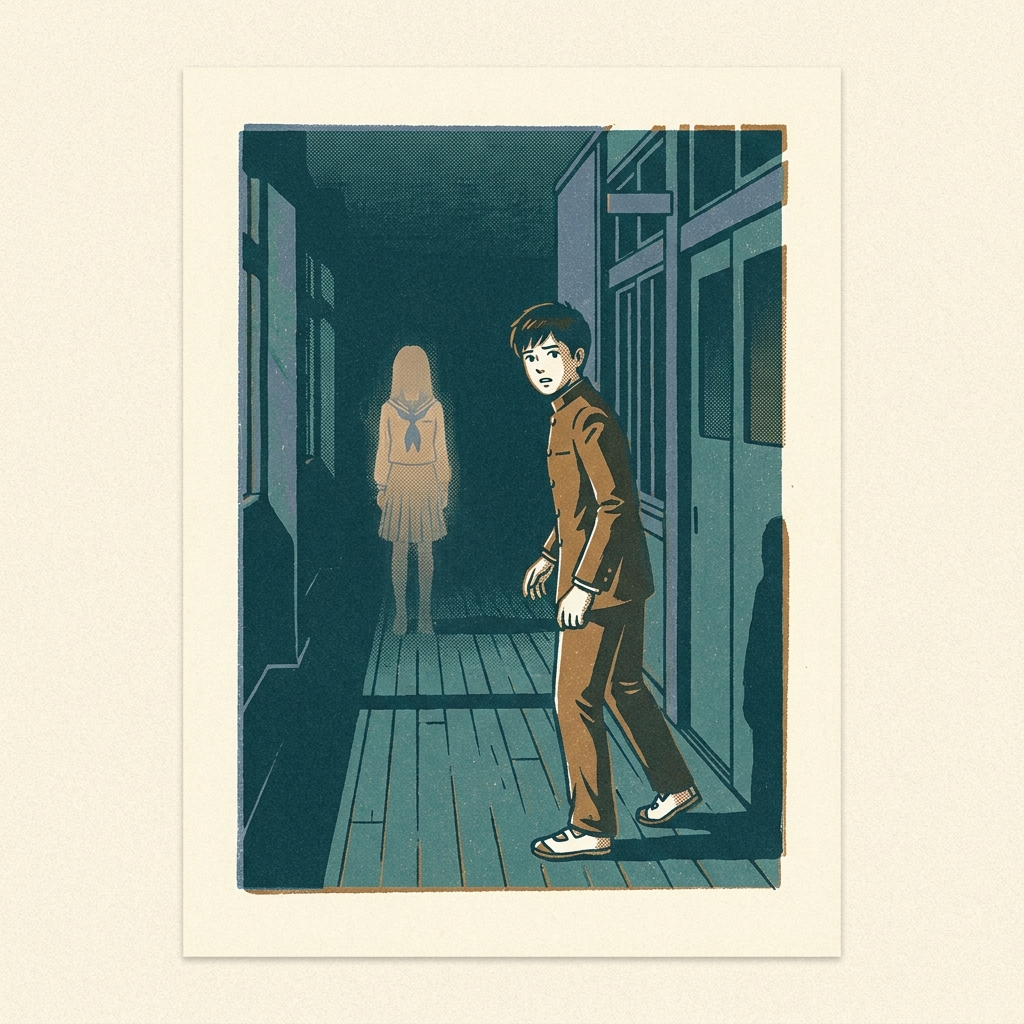 Rare
Rare Disk System · 1989
Famicom Detective Club Part II: The Girl Who Stands Behind
ファミコン探偵倶楽部 PartII うしろに立つ少女
Famicom Detective Club Part II: The Girl Who Stands Behind is a mystery adventure game released in 1989 on the Famicom D…
Read more →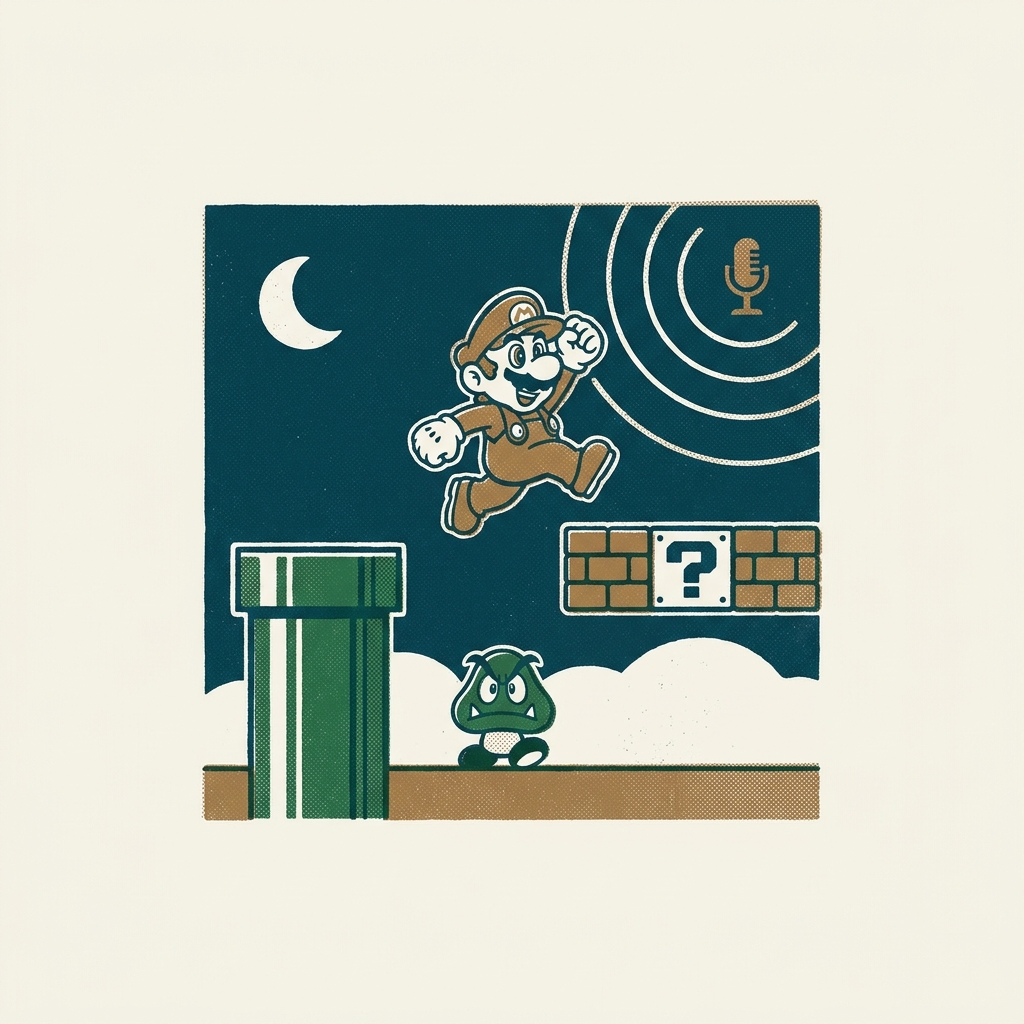 Ultra Rare
 Disk System · 1986
All Night Nippon: Super Mario Bros.
オールナイトニッポン スーパーマリオブラザーズ
All Night Nippon: Super Mario Bros. (1986) is one of the rarest officially licensed Nintendo games ever produced. Create…
Read more →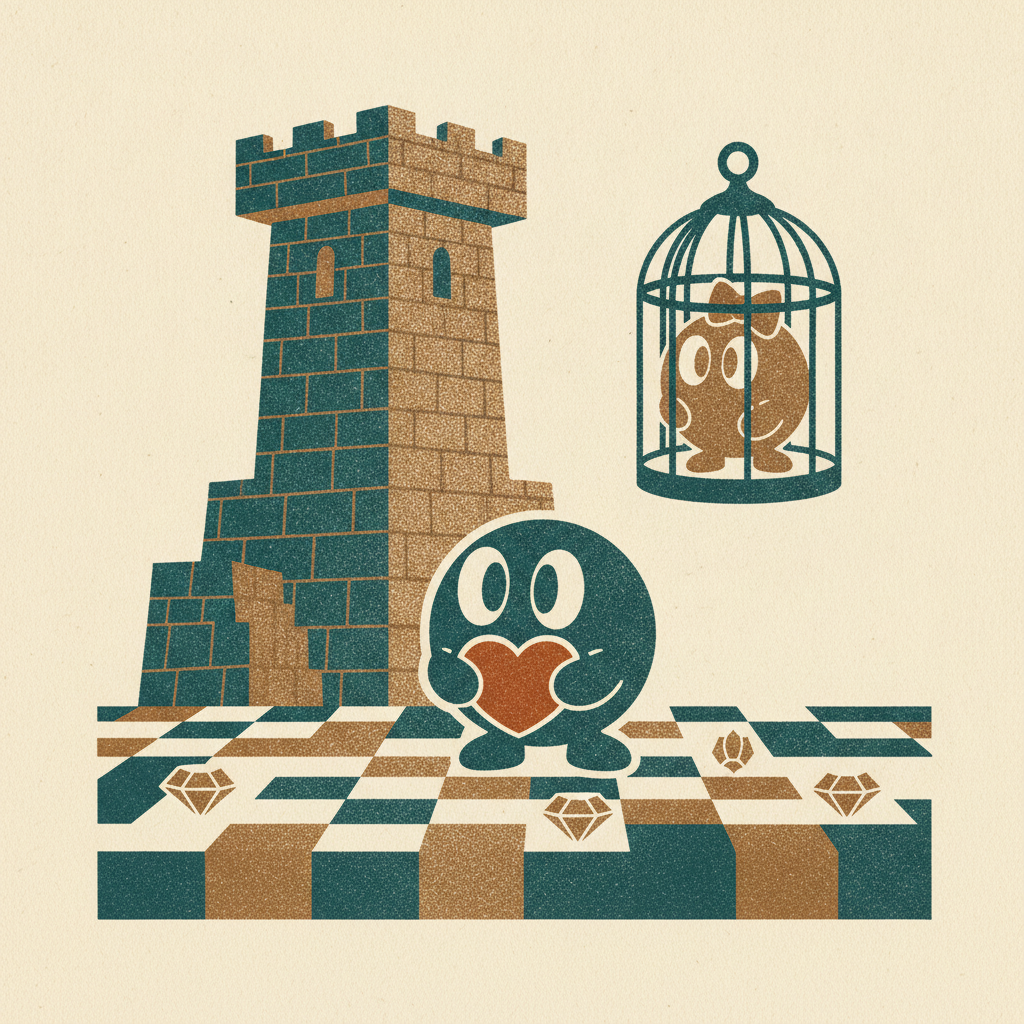 Uncommon
 Disk System · 1987
Eggerland
エッガーランド
Eggerland (1987) is the Famicom Disk System title that introduced the world to Lolo and Lala — a pair of round character…
Read more →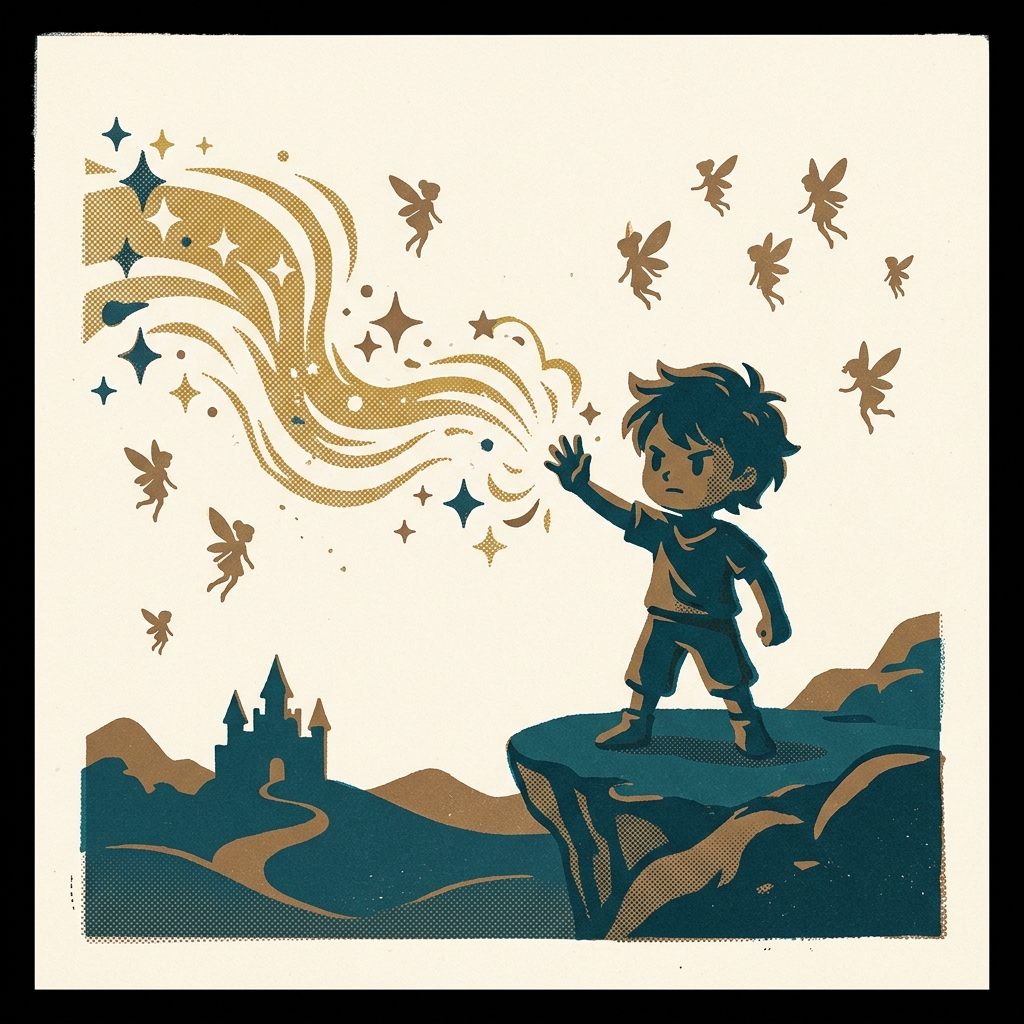 Uncommon
 Disk System · 1987
Esper Dream
エスパードリーム
Esper Dream (1987) is an action RPG by Konami for the Famicom Disk System, set in a fairy-tale world where a young boy w…
Read more → Uncommon
 Disk System · 1988
Bio Miracle Bokutte Upa
バイオミラクル ぼくってウパ
One of Konami's most inventive Famicom Disk System titles, Bio Miracle Bokutte Upa stars baby prince Upa, armed with onl…
Read more →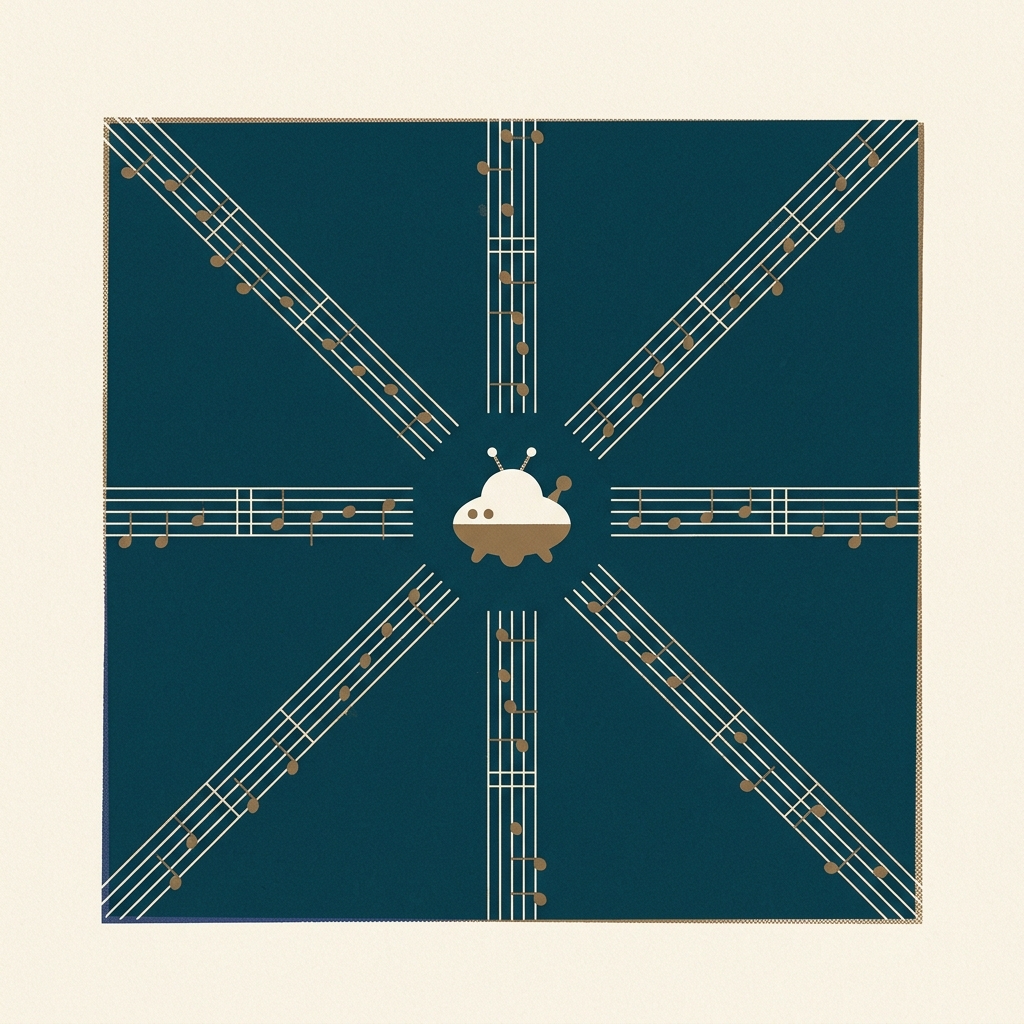 Rare
Rare Disk System · 1987
Otocky
オトッキー
Otocky reached shops on March 27, 1987. Toshio Iwai had finished graduate school at the University of Tsukuba that same …
Read more →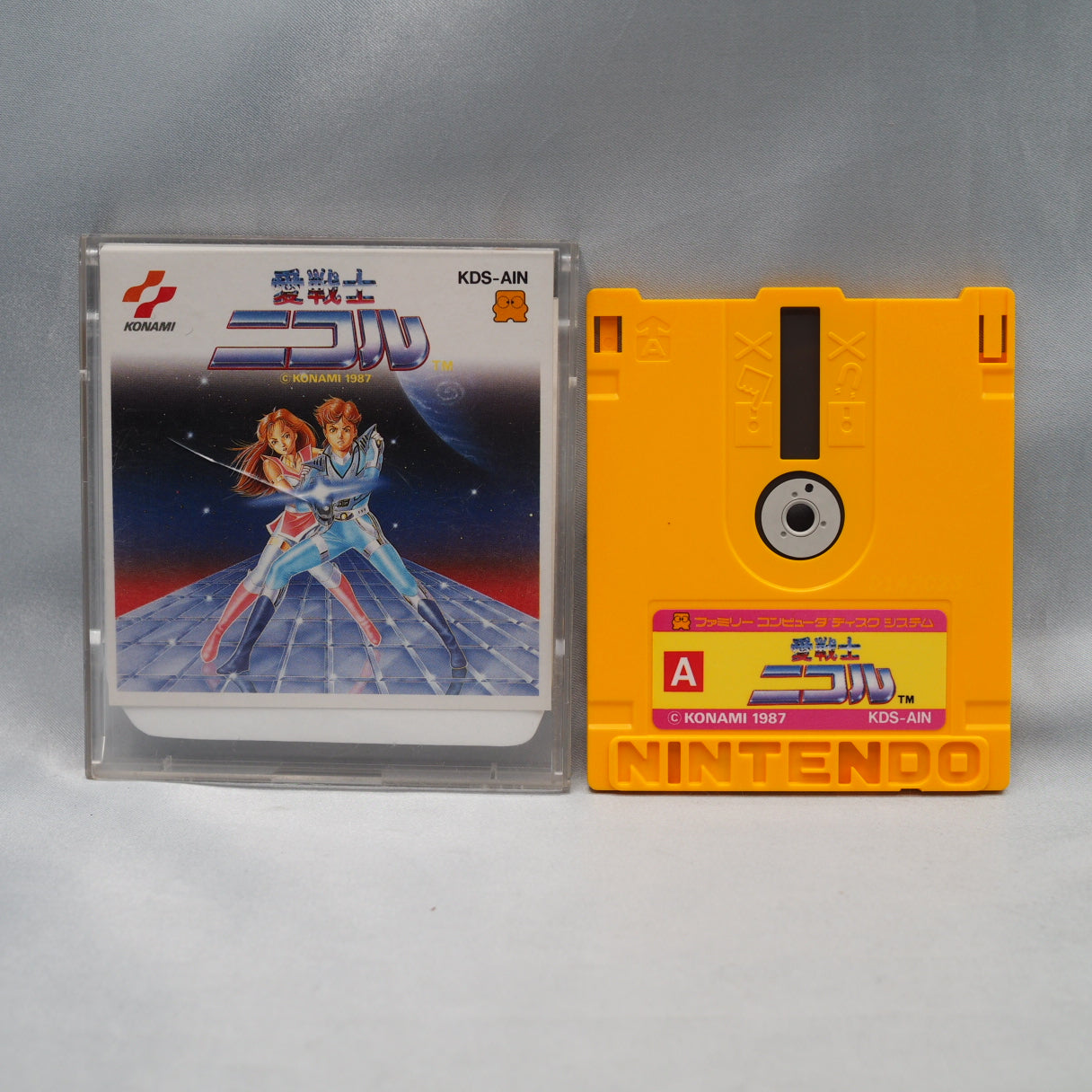 Rare
Rare Disk System · 1987
Ai Senshi Nicol
愛戦士ニコル
The menus are in English. A Konami title from 1987, sold only in Japan, with its prompts and item names written so that …
Read more →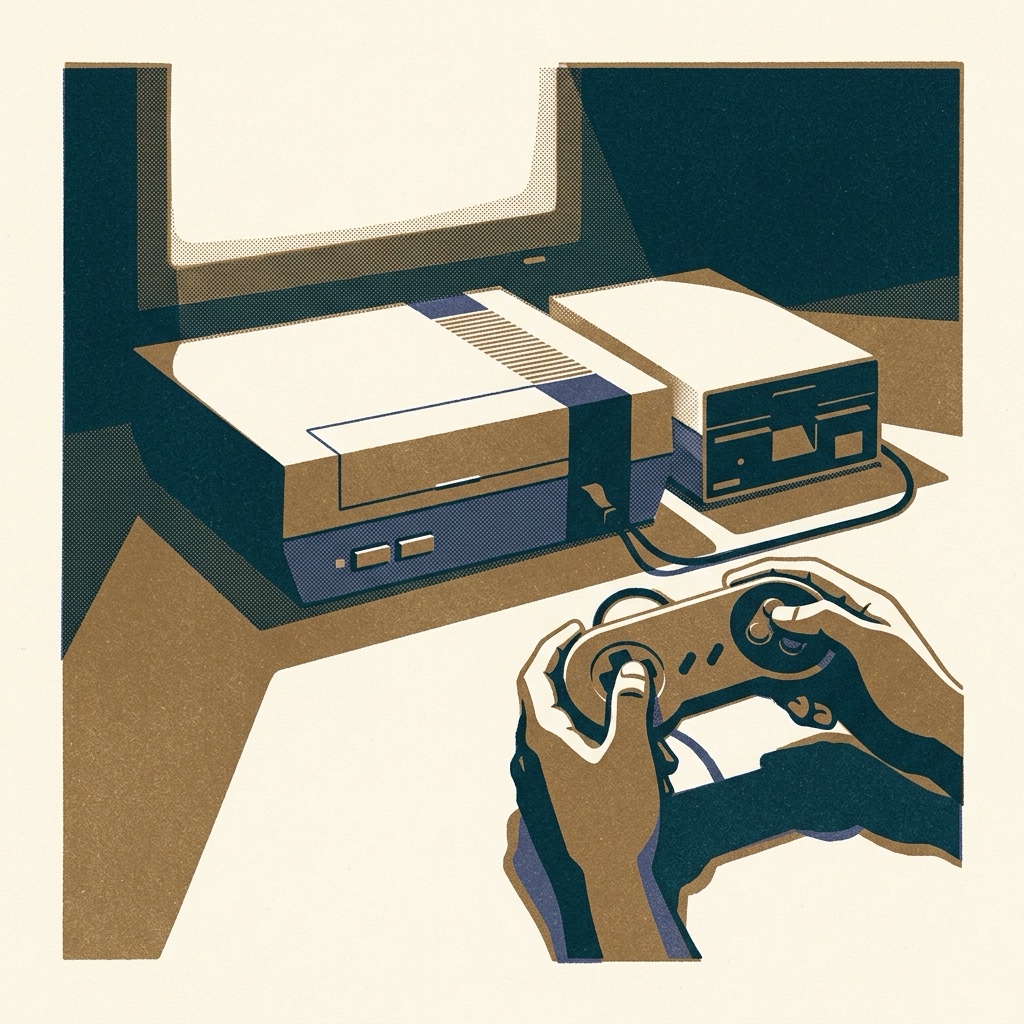
Disk System · 1986
Zanac
ザナック
Released in 1986 for the Famicom Disk System, Zanac is one of the most technically remarkable vertical shooters of its e…
Read more →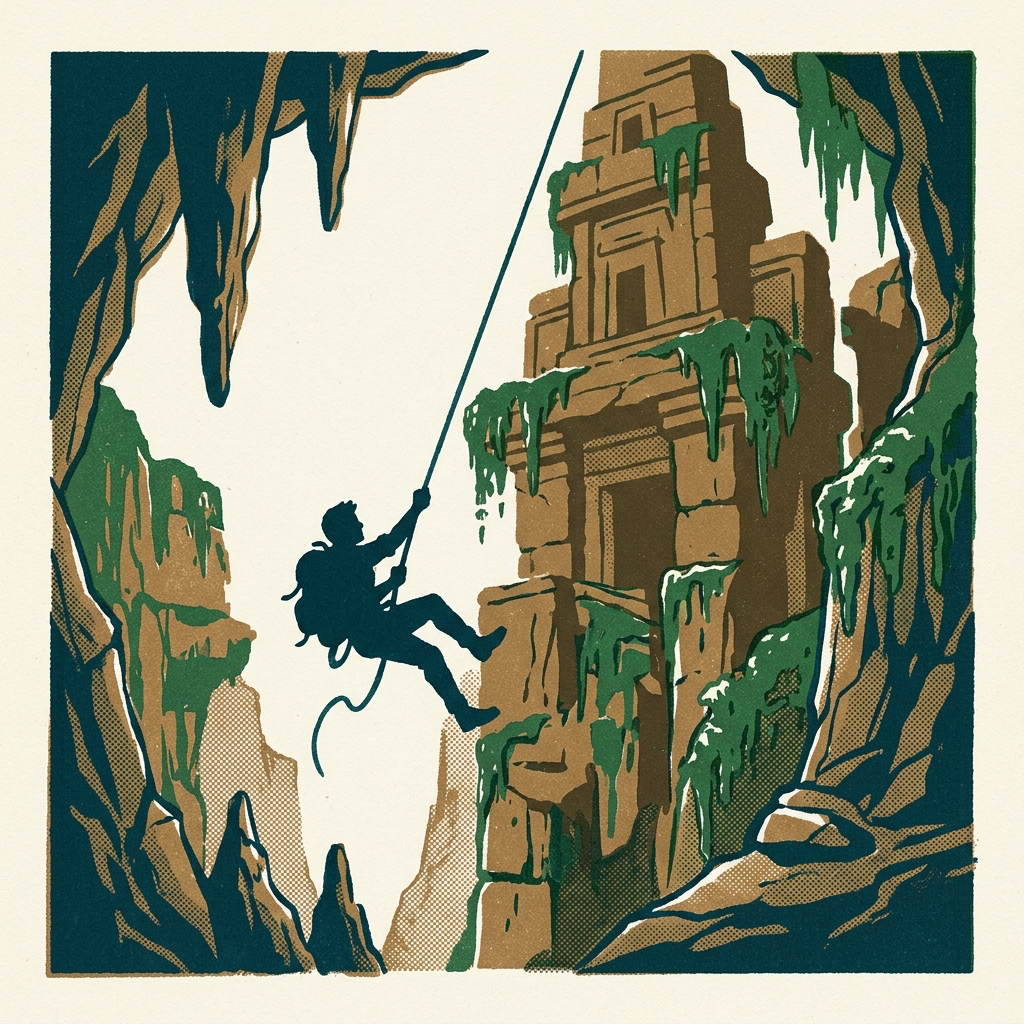 Uncommon
 Disk System · 1987
Arumana no Kiseki
アルマナの奇蹟
Konami built Arumana no Kiseki around a rope and put it on the Famicom Disk System on August 11, 1987. In 1983 Tokuro Fu…
Read more →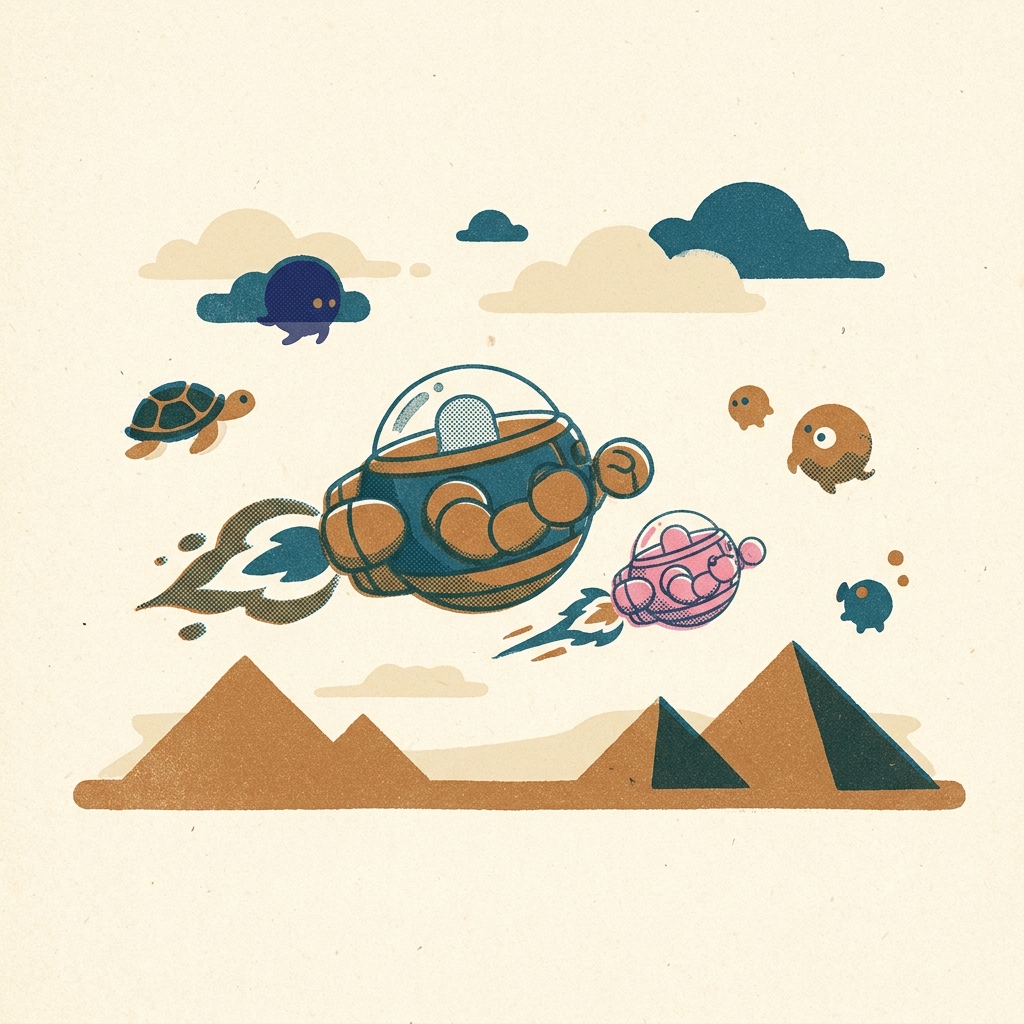
Disk System · 1986
Moero TwinBee: Cinnamon Hakase o Sukue!
燃えろ!!ツインビー シナモン博士を救え!
Released for the Famicom Disk System in November 1986, Moero TwinBee: Cinnamon Hakase o Sukue! is the sequel to Konami's…
Read more →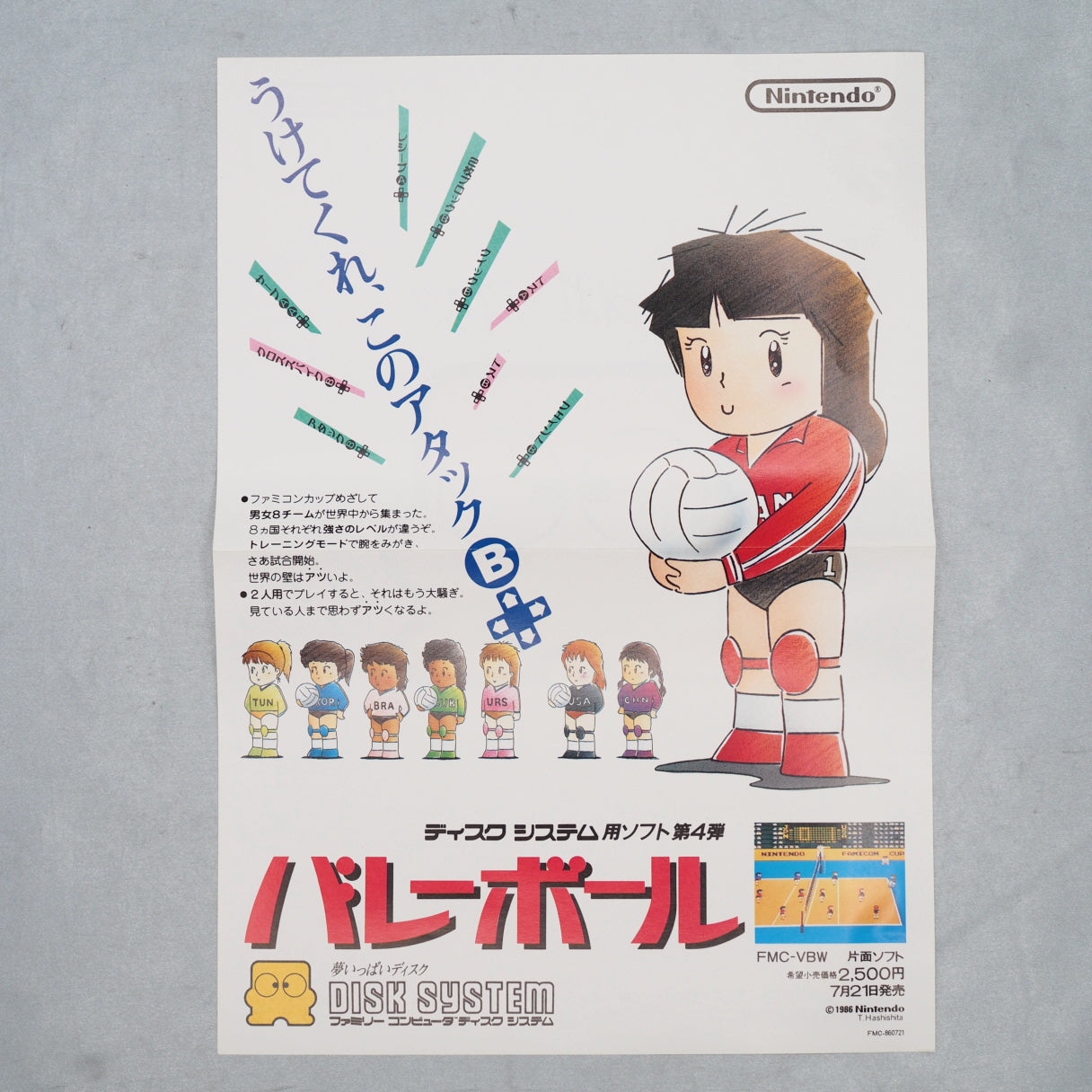
Disk System · 1986
Volleyball
バレーボール
On July 21, 1986, five months after the Famicom Disk System went on sale, Nintendo released Volleyball for it. You pick …
Read more → Uncommon
 Disk System · 1987
Detective Jinguji Saburo: Shinjuku Chuo Koen Murder Case
探偵 神宮寺三郎 新宿中央公園殺人事件
On April 24, 1987, Data East put a private detective on the Famicom Disk System and started a clock. The player has thir…
Read more →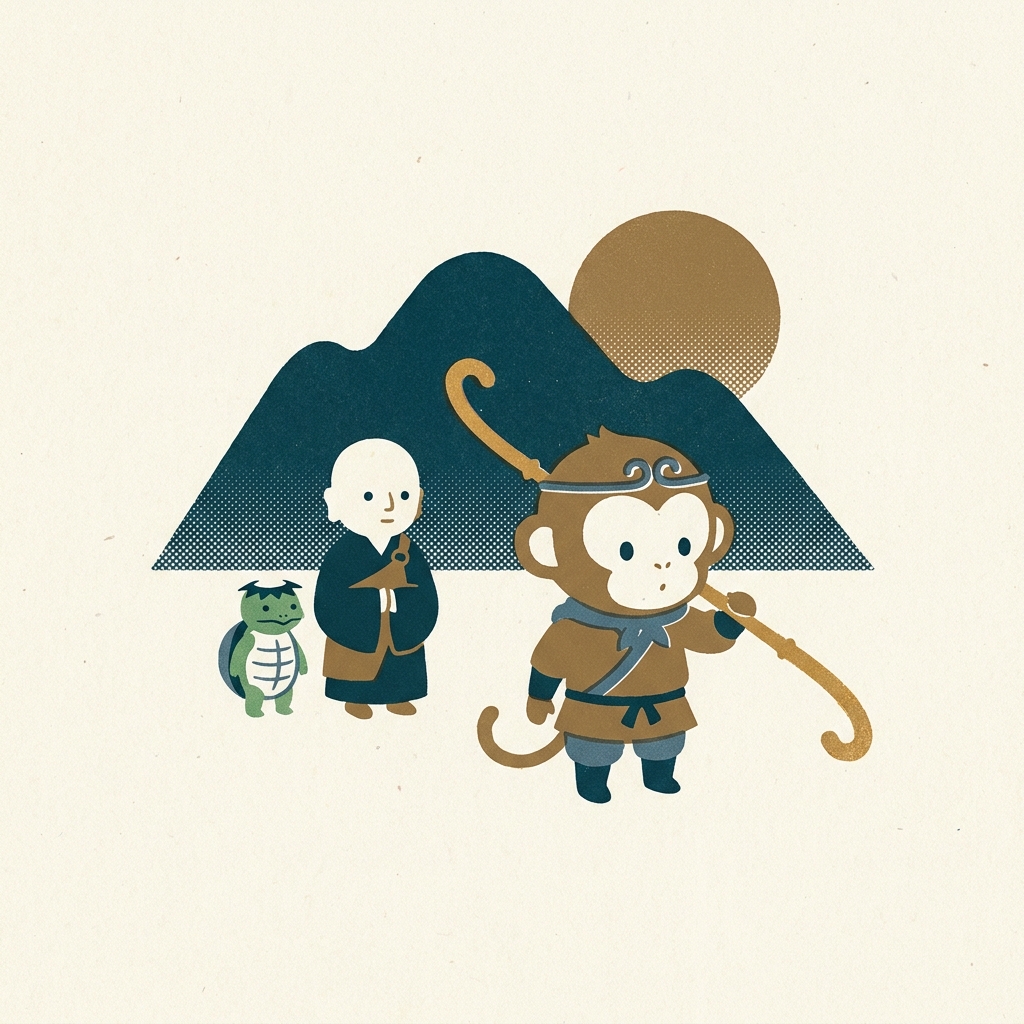 Uncommon
 Disk System · 1989
Famicom Fairytales: Yuyuki
ふぁみこんむかし話 遊遊記
On 14 October 1989, Nintendo put the first half of Yuuyuki on a Disk Card. The second half arrived a month later, on 14 …
Read more →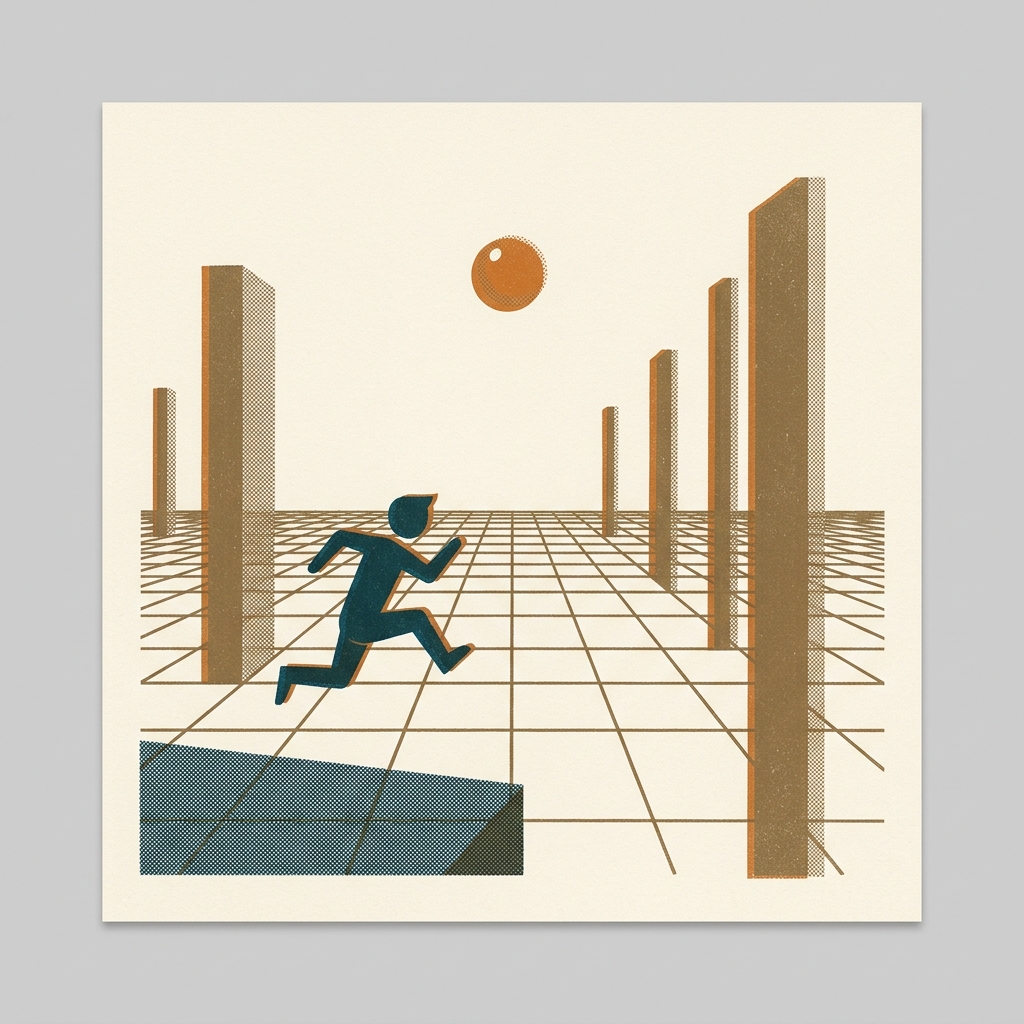 Uncommon
 Disk System · 1987
3-D WorldRunner
飛び出せ大作戦
In March 1987 this disk went on sale in Japan without Square's name on it. The label said DOG — Disk Original Group — th…
Read more →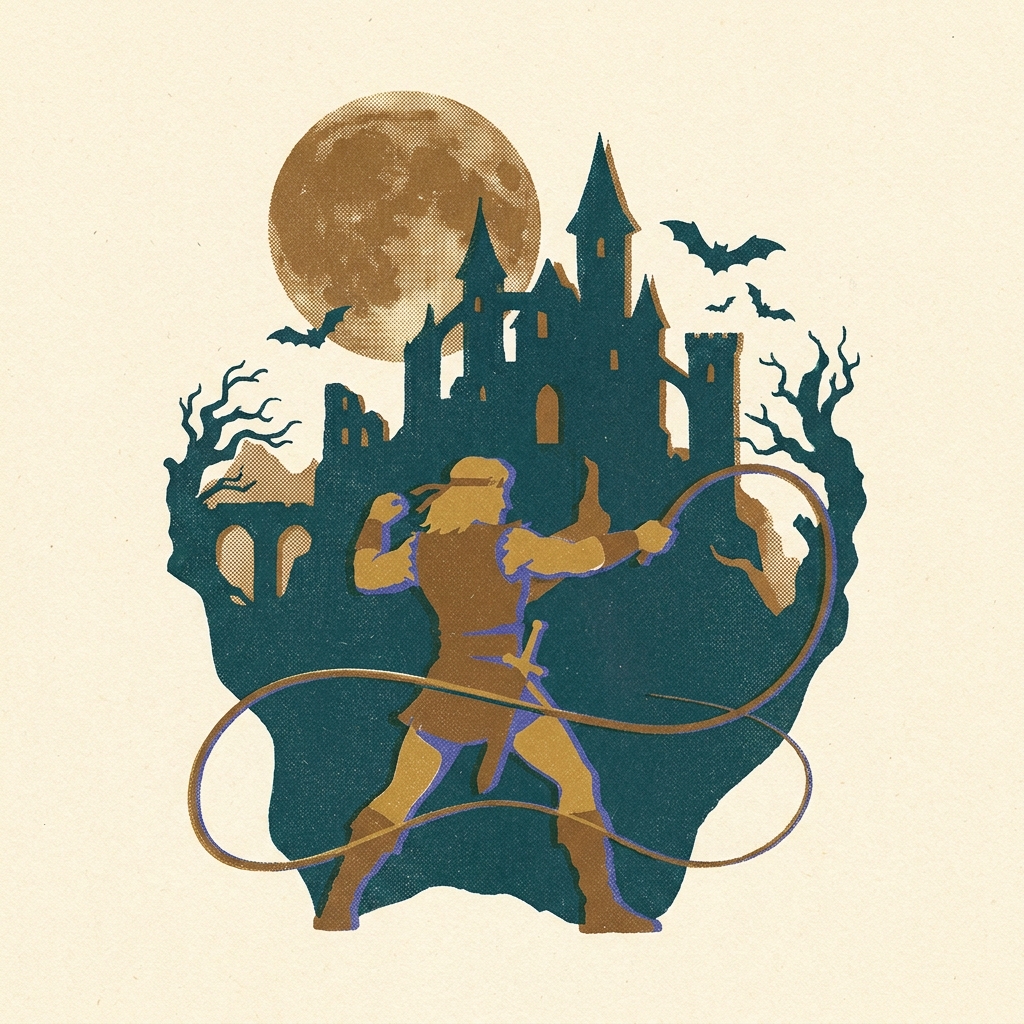 Uncommon
 Disk System · 1987
Castlevania II: Simon's Quest
悪魔城ドラキュラII 呪いの封印
Castlevania II: Simon's Quest, released on the Famicom Disk System in August 1987, broke sharply from the original Castl…
Read more →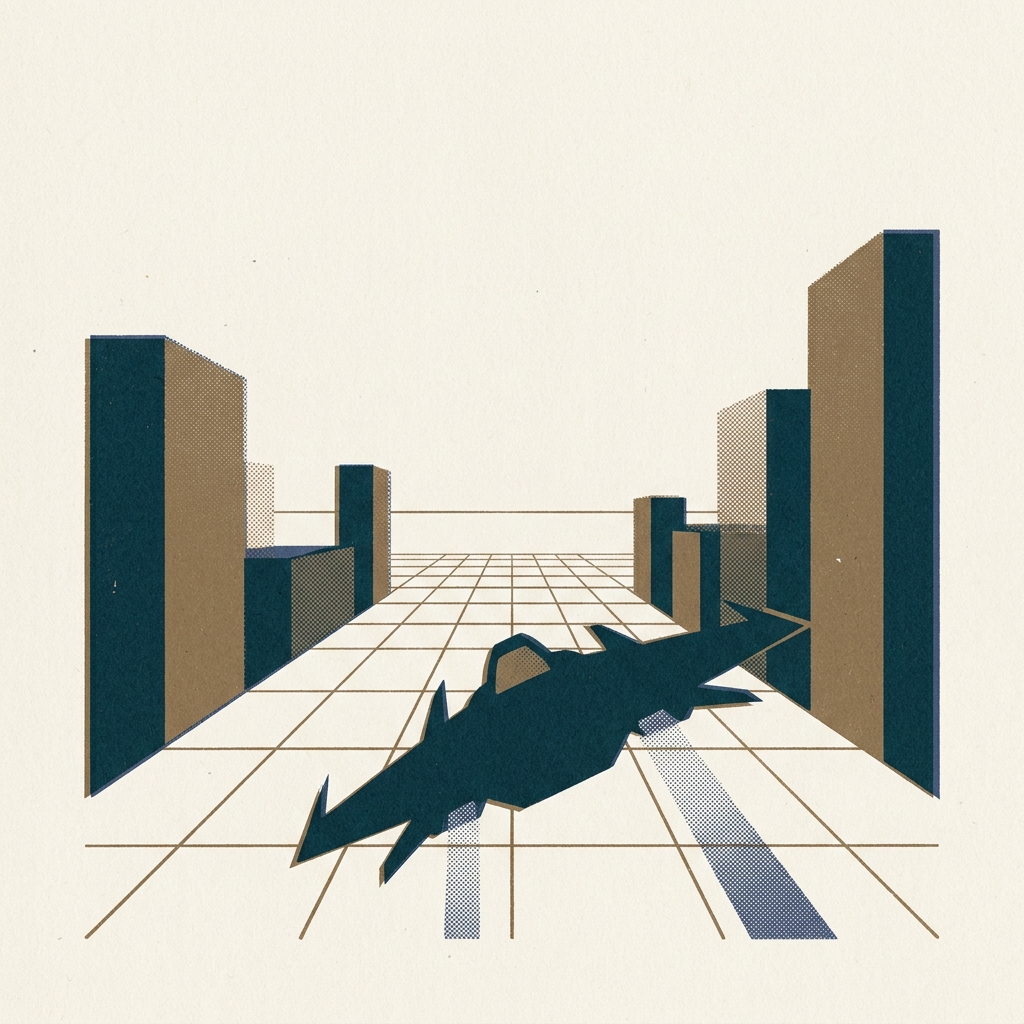 Uncommon
 Disk System · 1987
Falsion
ファルシオン
Falsion is a behind-the-ship perspective 3D shoot-em-up for the Famicom Disk System, released in October 1987 — predatin…
Read more → Uncommon
 Disk System · 1992
Clu Clu Land D
クルクルランド
Clu Clu Land D, released on April 28, 1992, is the Famicom Disk System-exclusive enhanced version of Nintendo's 1984 Clu…
Read more →
Disk System · 1987
Famicom Grand Prix: F-1 Race
ファミコングランプリ F-1レース
Released in October 1987 for the Famicom Disk System, Famicom Grand Prix: F-1 Race was one of the earliest racing games …
Read more →
Disk System · 1988
Famicom Grand Prix II: 3D Hot Rally
ファミコングランプリII 3Dホットラリー
Famicom Grand Prix II: 3D Hot Rally launched in April 1988 as the sequel to the original F-1 Race, shifting focus from c…
Read more →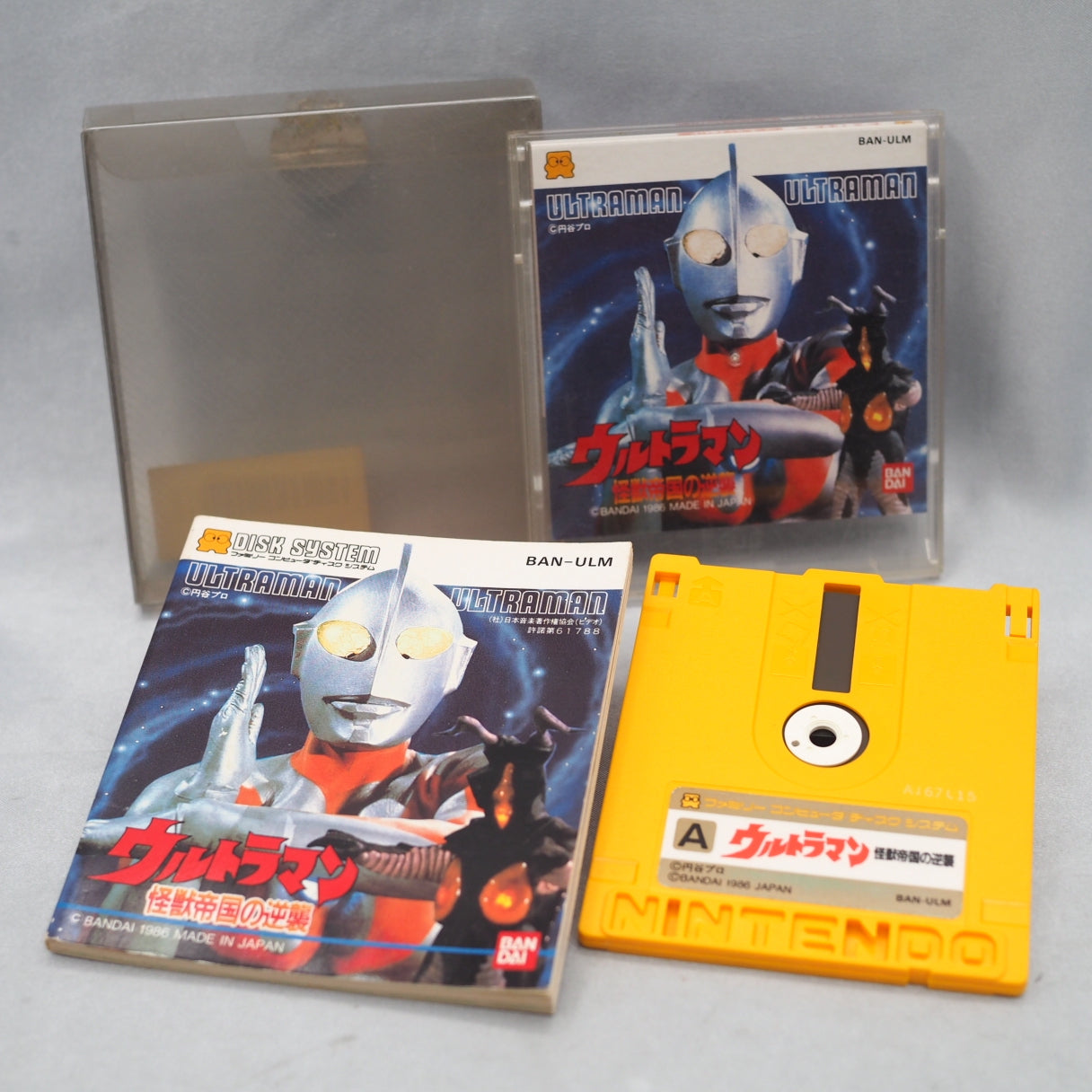
Disk System · 1987
Ultraman: Kaijū Teikoku no Gyakushū
ウルトラマン 怪獣帝国の逆襲
Ultraman: Kaijū Teikoku no Gyakushū is a Famicom Disk System action game released by Bandai in 1987, based on the origin…
Read more →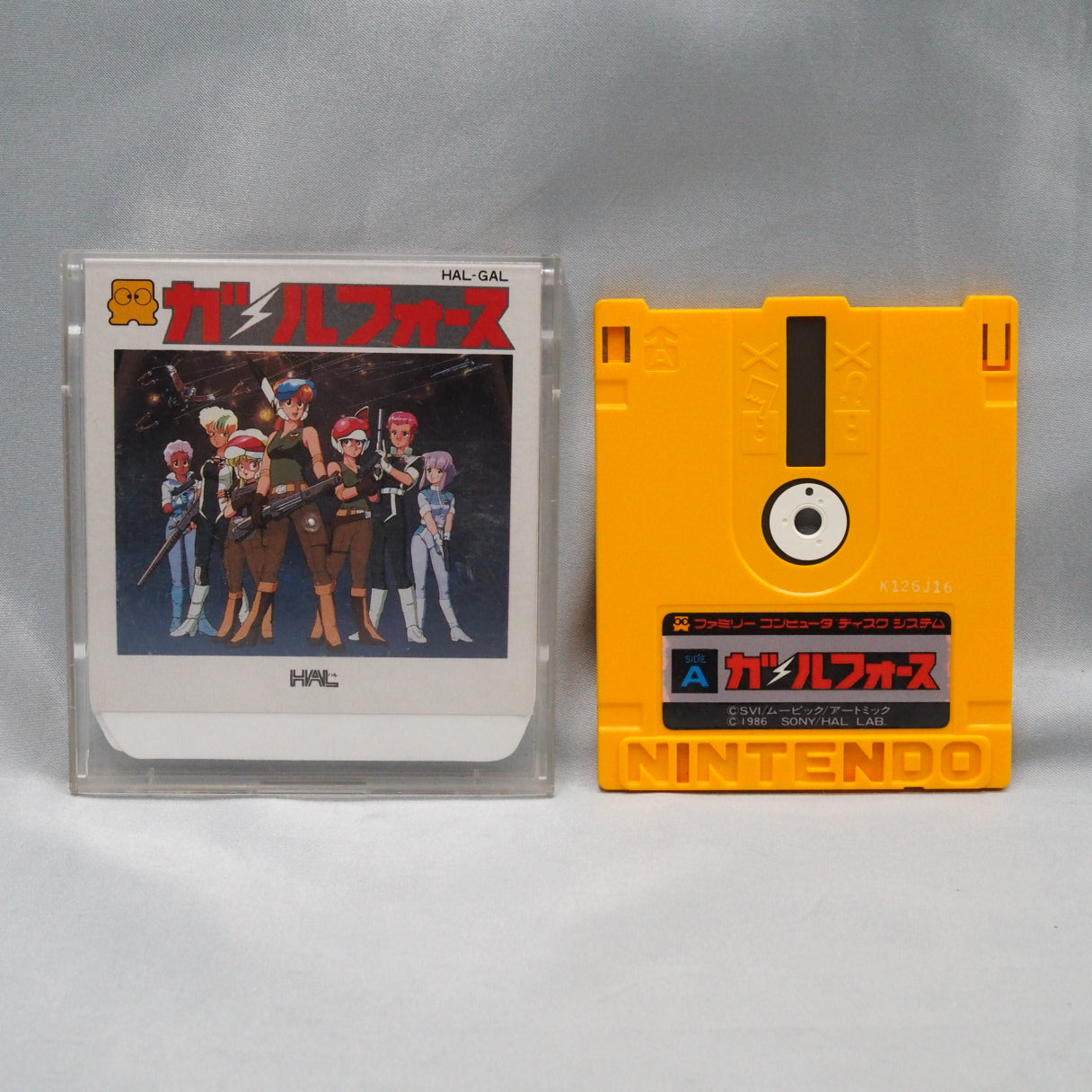
Disk System · 1986
Gall Force: Eternal Story
ガルフォース 〜エターナル・ストーリー〜
Gall Force: Eternal Story is a vertically scrolling shoot 'em up for the Famicom Disk System, released in Japan in 1986 …
Read more →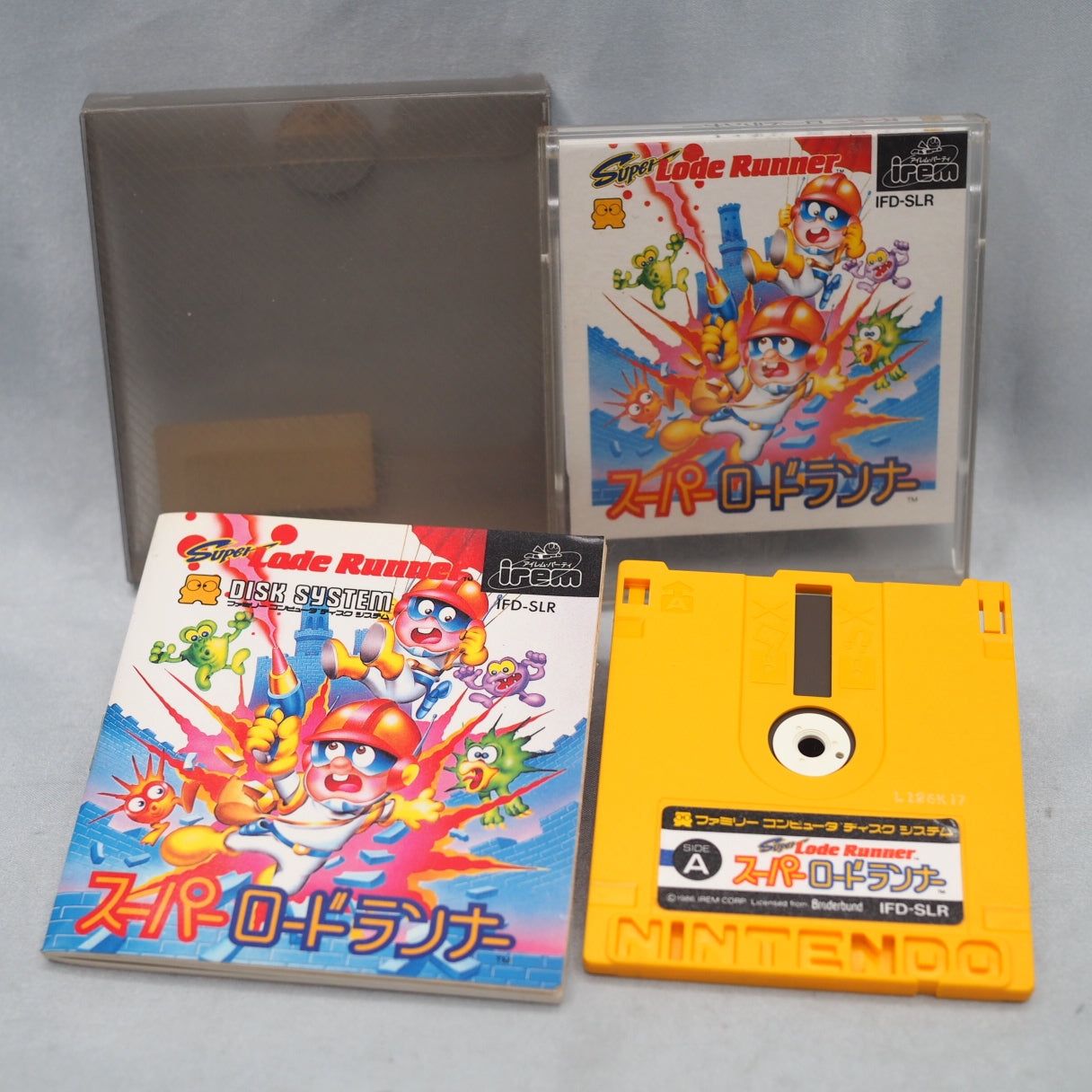
Disk System · 1987
Super Lode Runner
スーパーロードランナー
Super Lode Runner was released for the Famicom Disk System in March 1987 by Irem, drawing selected stages from the arcad…
Read more →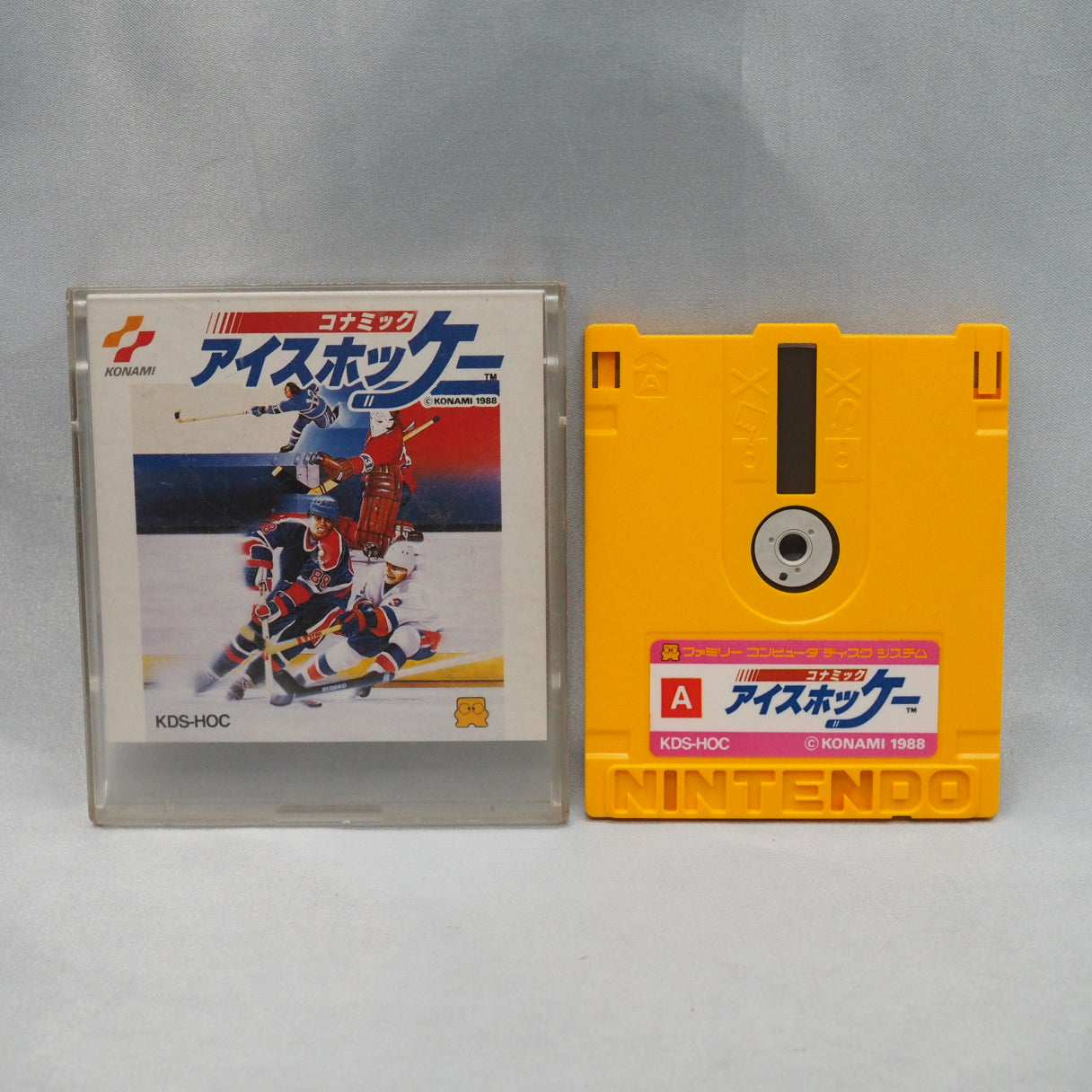
Disk System · 1988
Konamic Ice Hockey
コナミックアイスホッケー
Konamic Ice Hockey is Konami's fast-paced ice hockey game, released for the Famicom Disk System in July 1988. It is the …
Read more →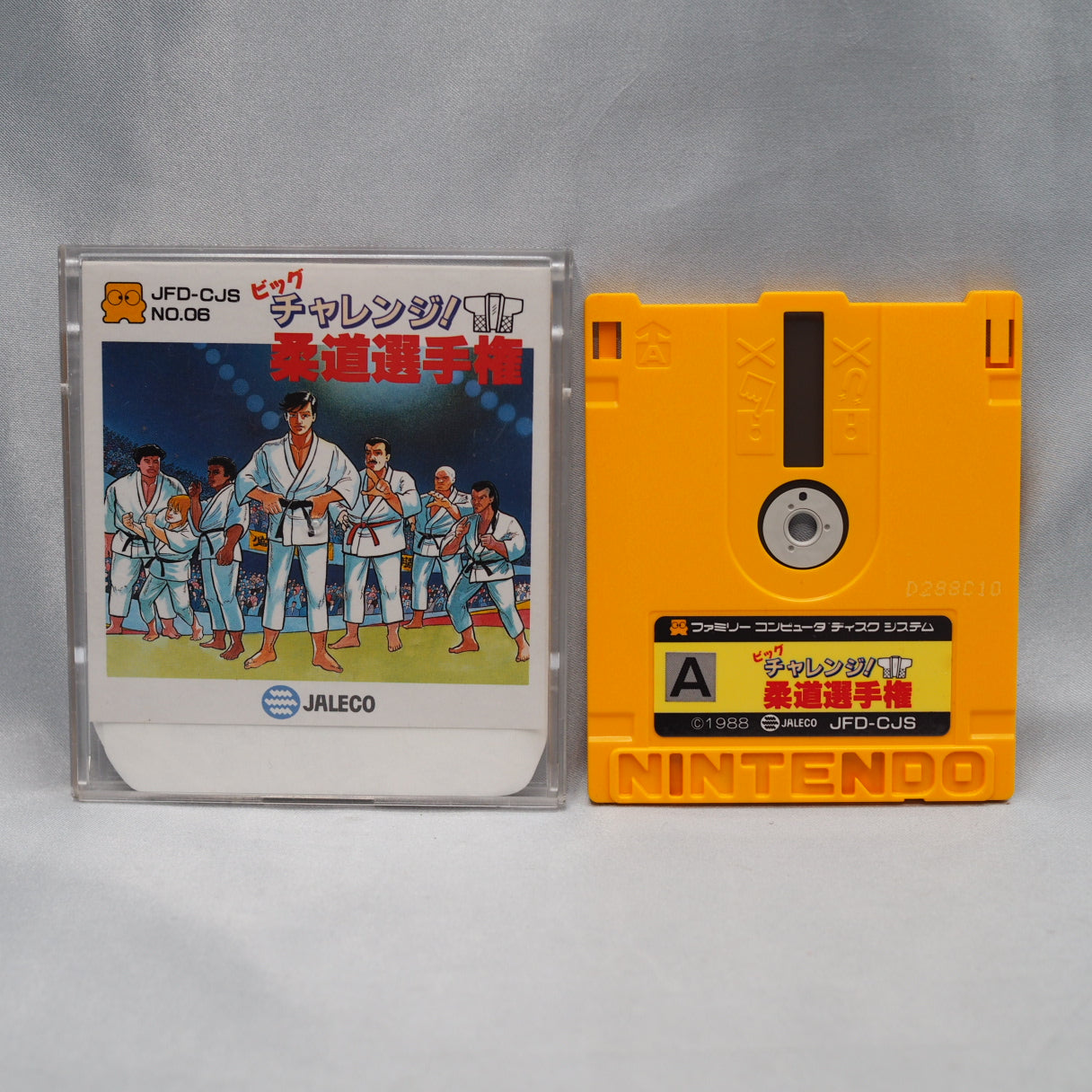
Disk System · 1988
Big Challenge! Judo Senshuken
ビッグチャレンジ! 柔道選手権
A judo competition game released by Jaleco for the Famicom Disk System in 1988. It was the first entry in Jaleco's 'Big …
Read more →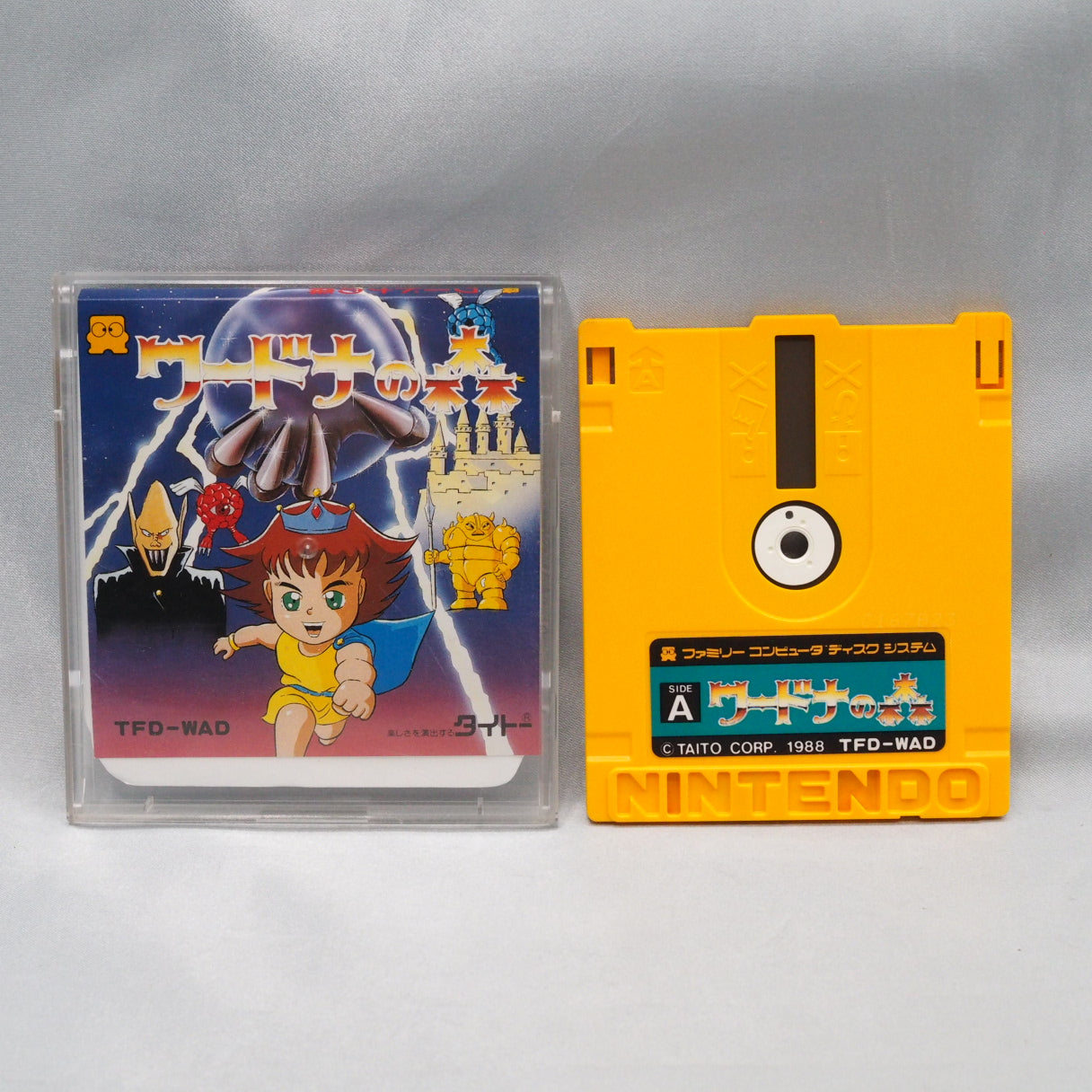
Disk System · 1988
Wardner no Mori
ワードナの森
A side-scrolling action platformer published by Taito for the Famicom Disk System in 1988, based on Toaplan's arcade gam…
Read more →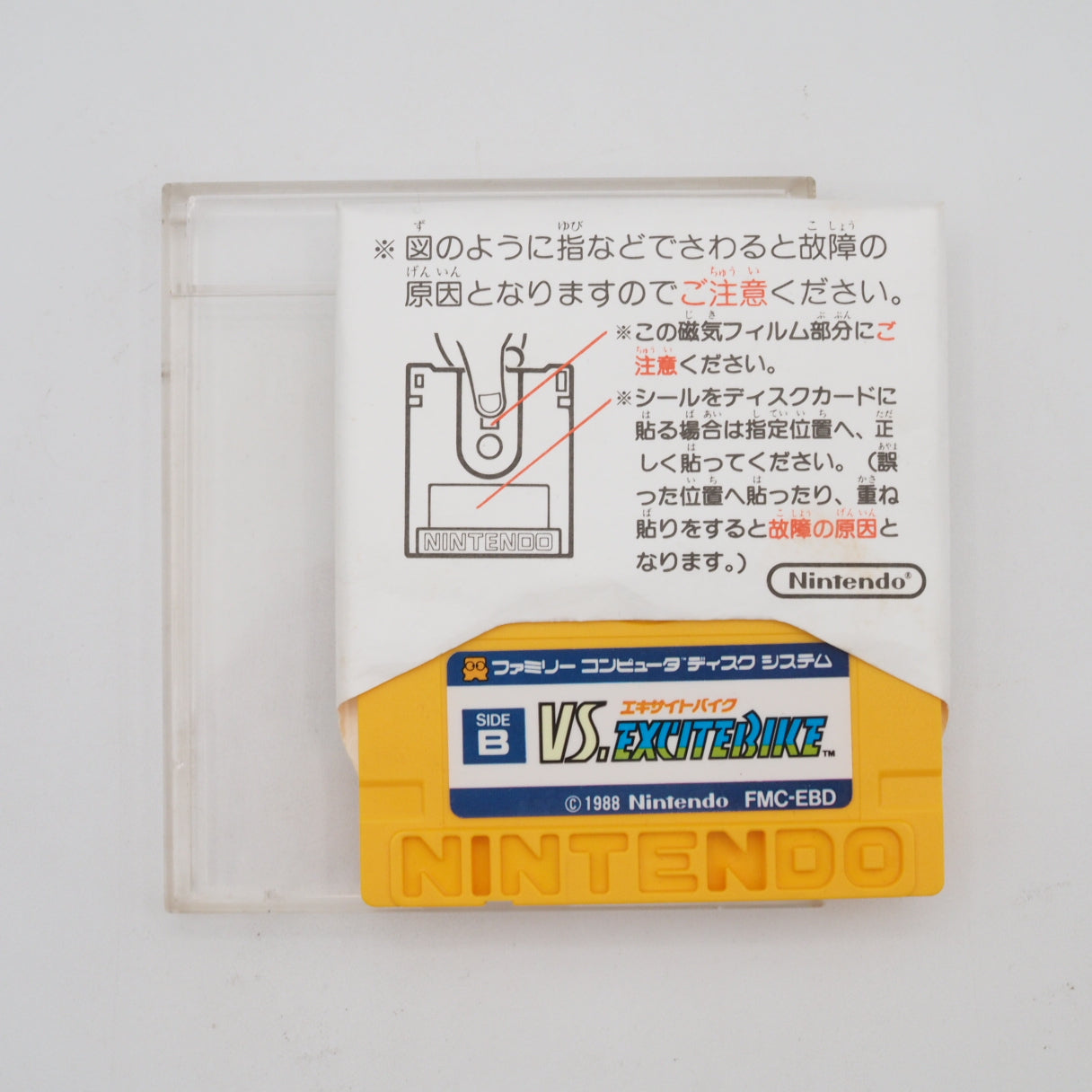
Disk System · 1988
Vs. Excitebike
VS.エキサイトバイク
Vs. Excitebike is a motocross racing game released for the Family Computer Disk System in 1988, adapting Nintendo's earl…
Read more →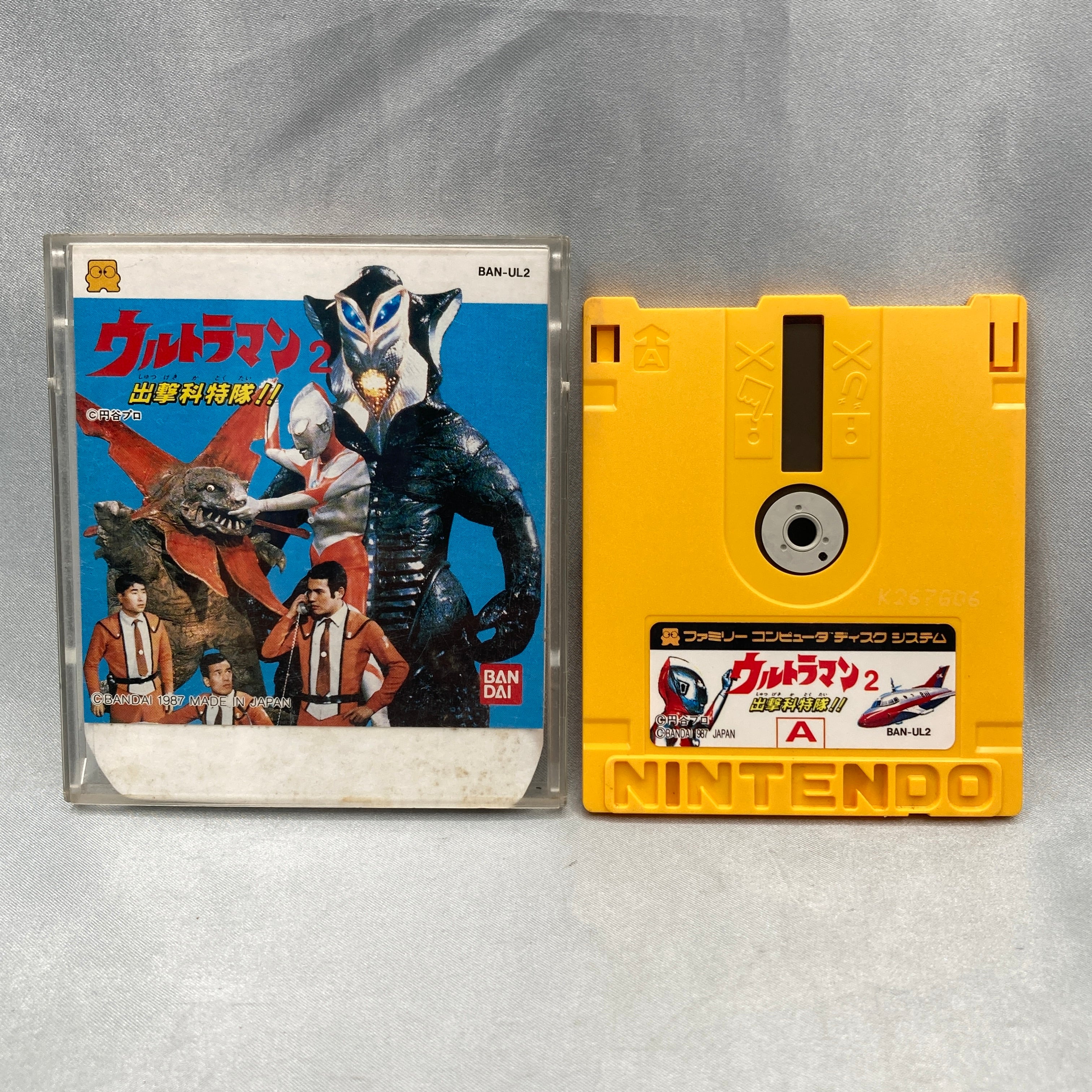
Disk System · 1987
Ultraman 2: Shutsugeki Katoku Tai!!
ウルトラマン2 出撃科特隊!!
Ultraman 2: Shutsugeki Katoku Tai!! is an action game released for the Family Computer Disk System in 1987, based on the…
Read more →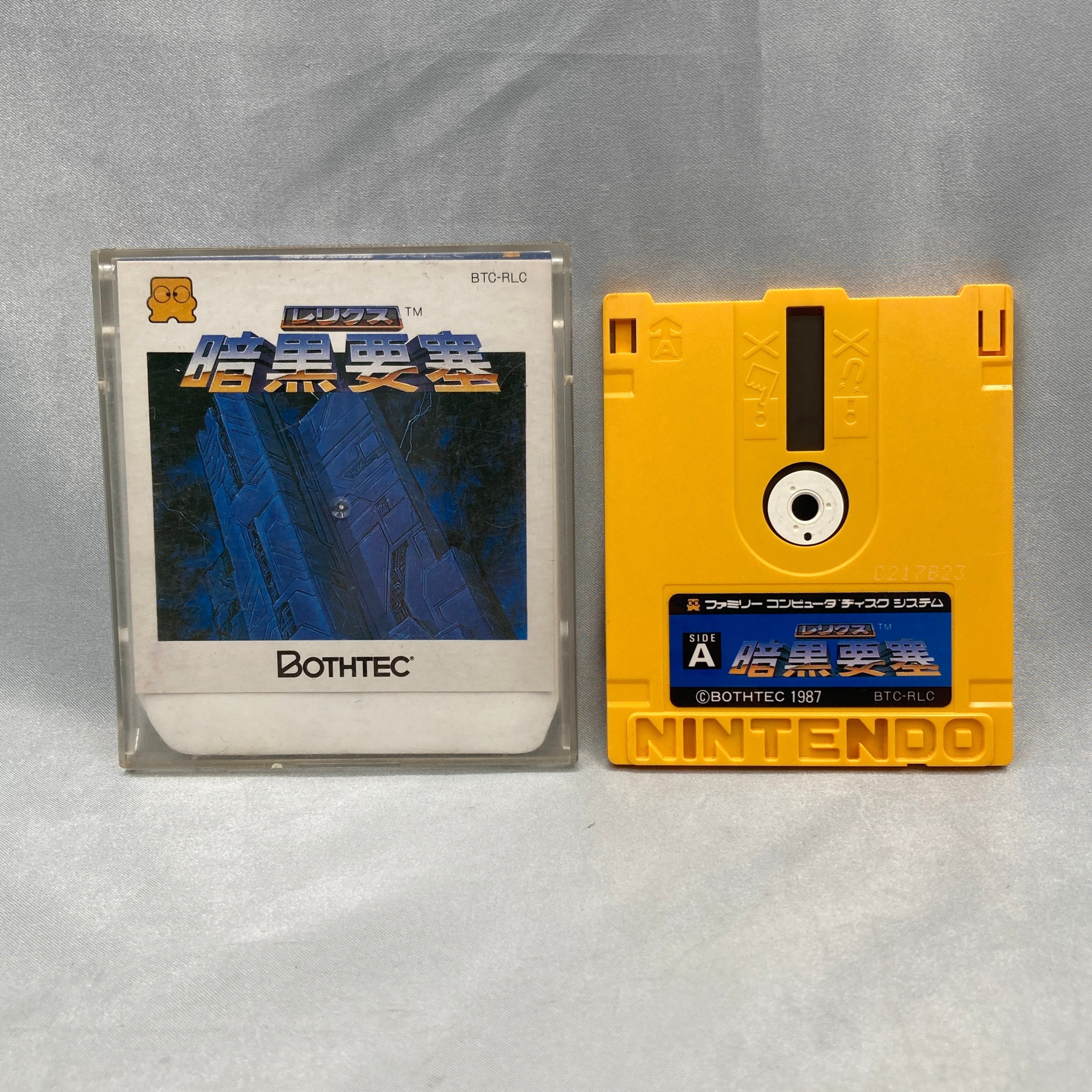
Disk System · 1987
Relics: Ankoku Yousai
レリクス 暗黒要塞
Relics: Ankoku Yousai is an action-adventure game released by Bothtec for the Family Computer Disk System in 1987. A por…
Read more →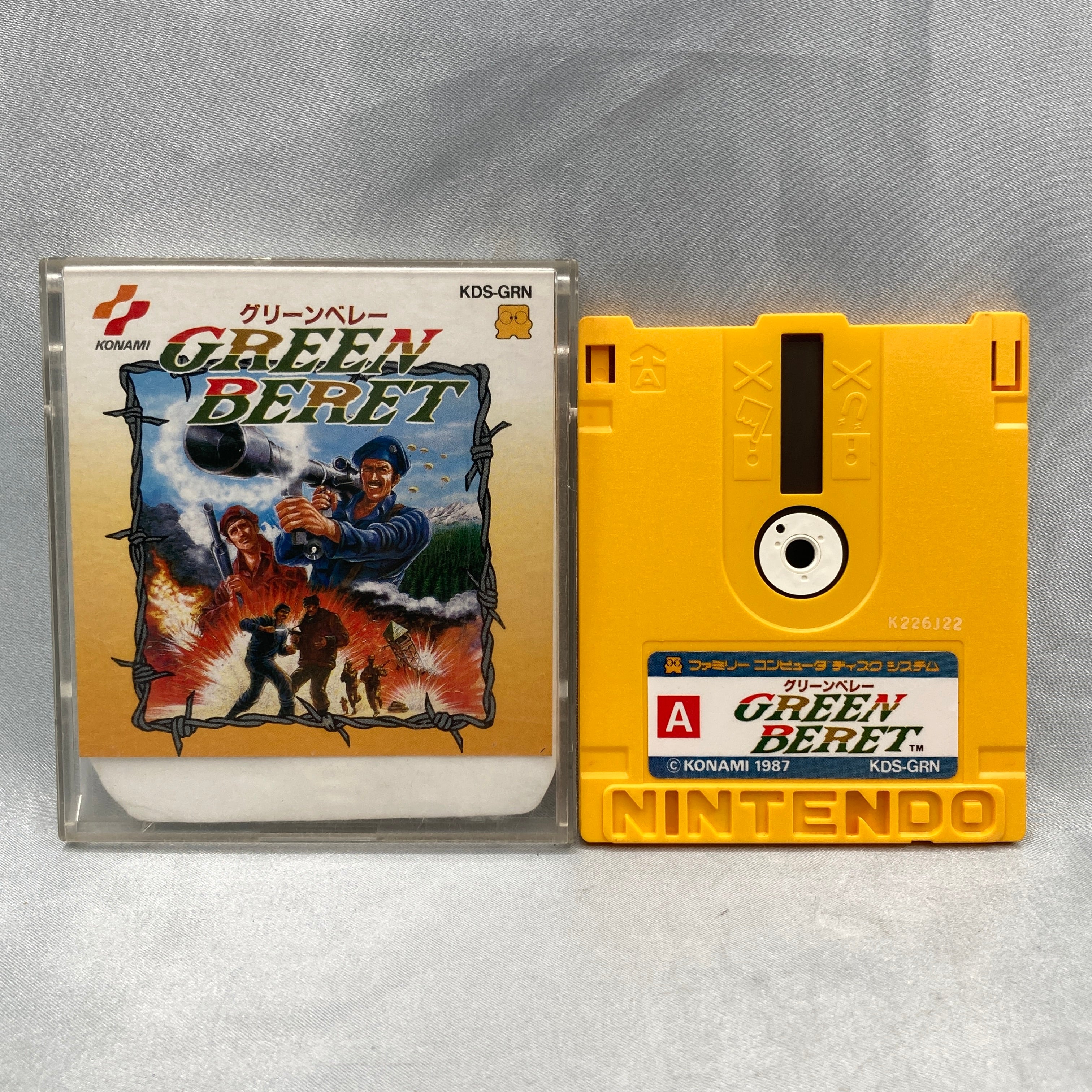
Disk System · 1987
Green Beret (Rush'n Attack)
グリーンベレー
Green Beret is a side-scrolling action game released by Konami for the Family Computer Disk System in 1987, adapted from…
Read more →
Disk System · 1987
Bubble Bobble
バブルボブル
On October 30, 1987, the arcade cabinet came home on a disk you could carry in one hand. Fukio Mitsuji had designed the…
Read more →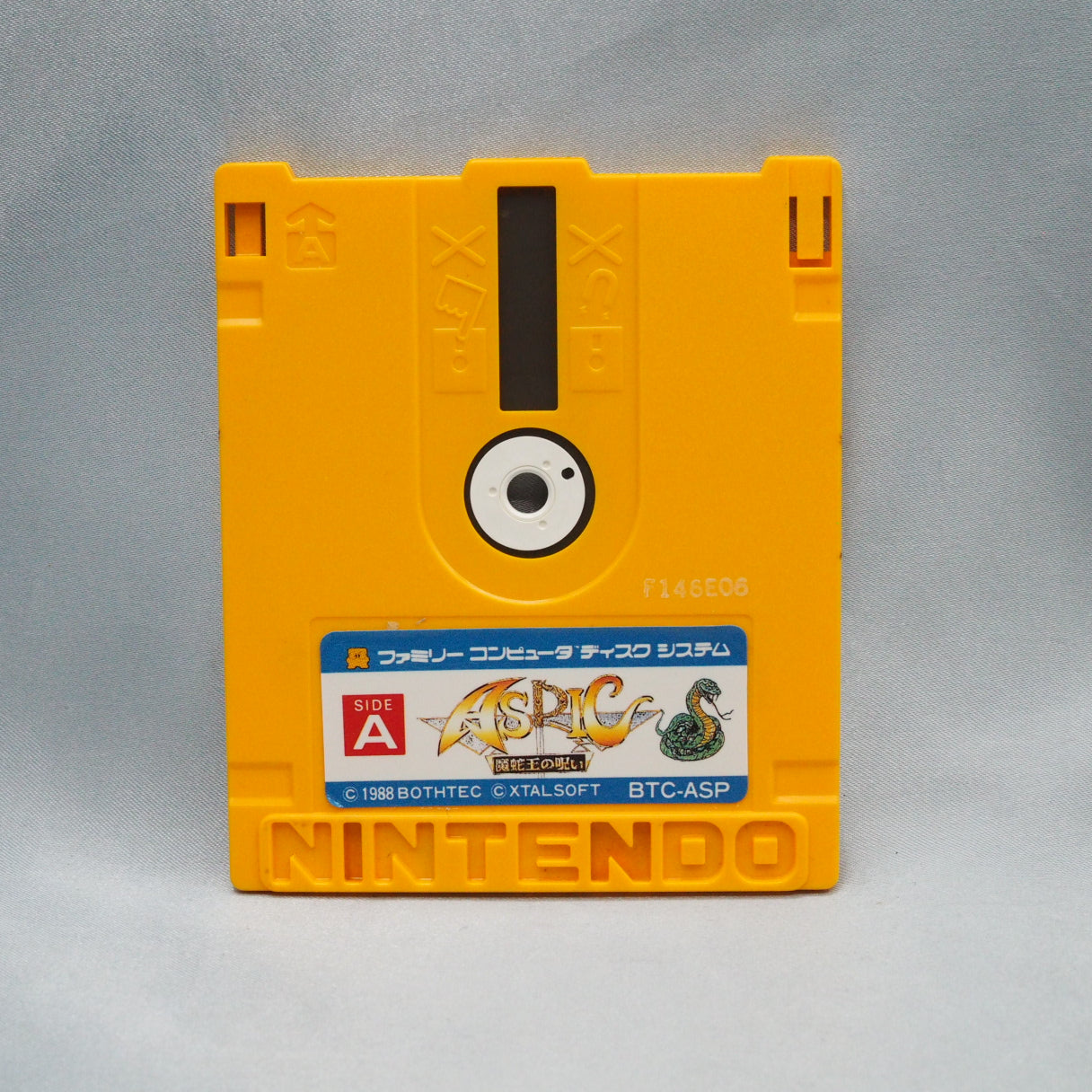
Disk System · 1988
Aspic: Majaou no Noroi
アスピック 魔蛇王の呪い
The player sets out to rescue a princess cursed by a wizard who intends to give her to a serpent demon named Aspic. Xtal…
Read more →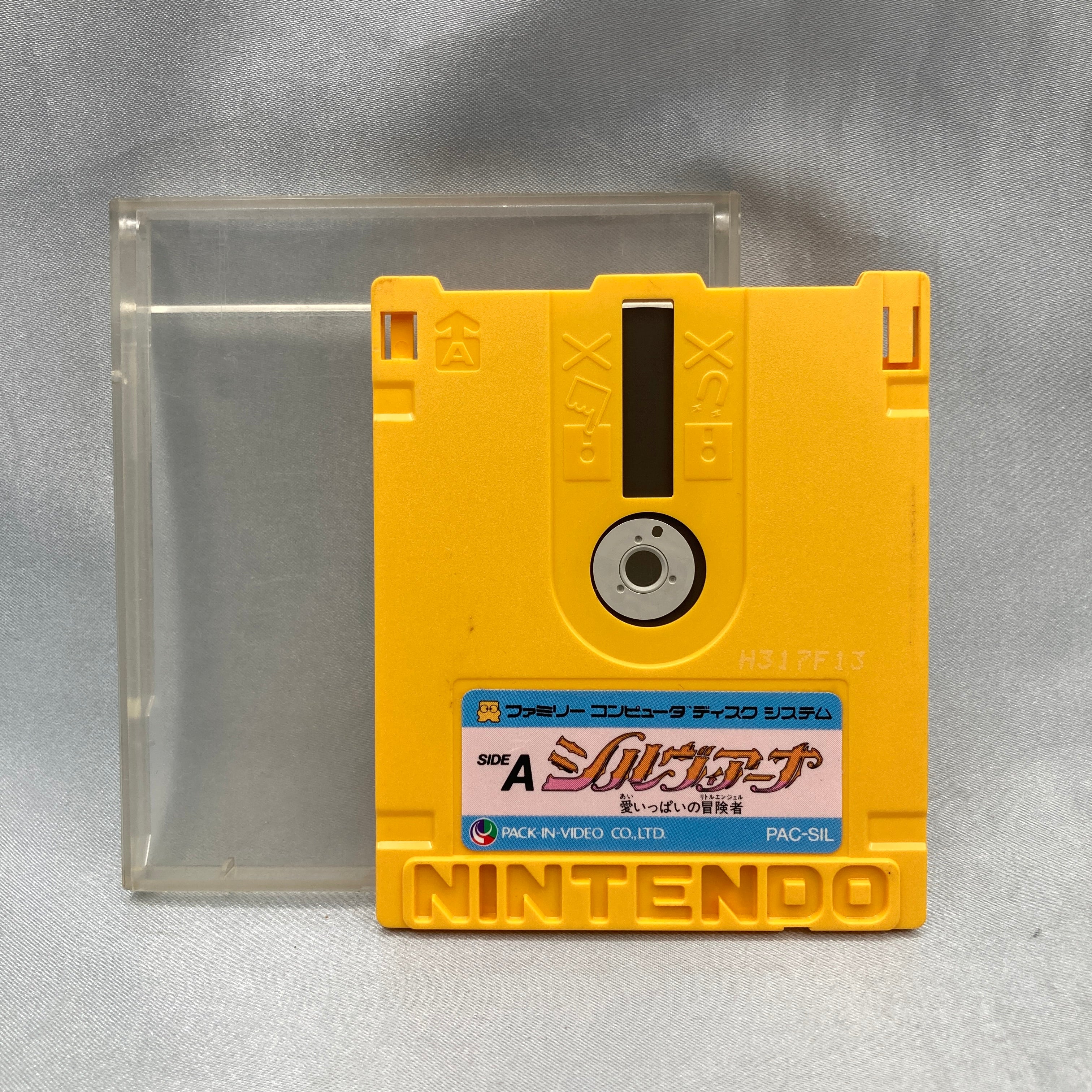
Disk System · 1988
Silviana: Ai Ippai no Little Angel
シルヴィアーナ 愛いっぱいの冒険者
Silviana: Ai Ippai no Little Angel is a Japan-only action RPG following a girl named Silviana who journeys to find Dr. D…
Read more →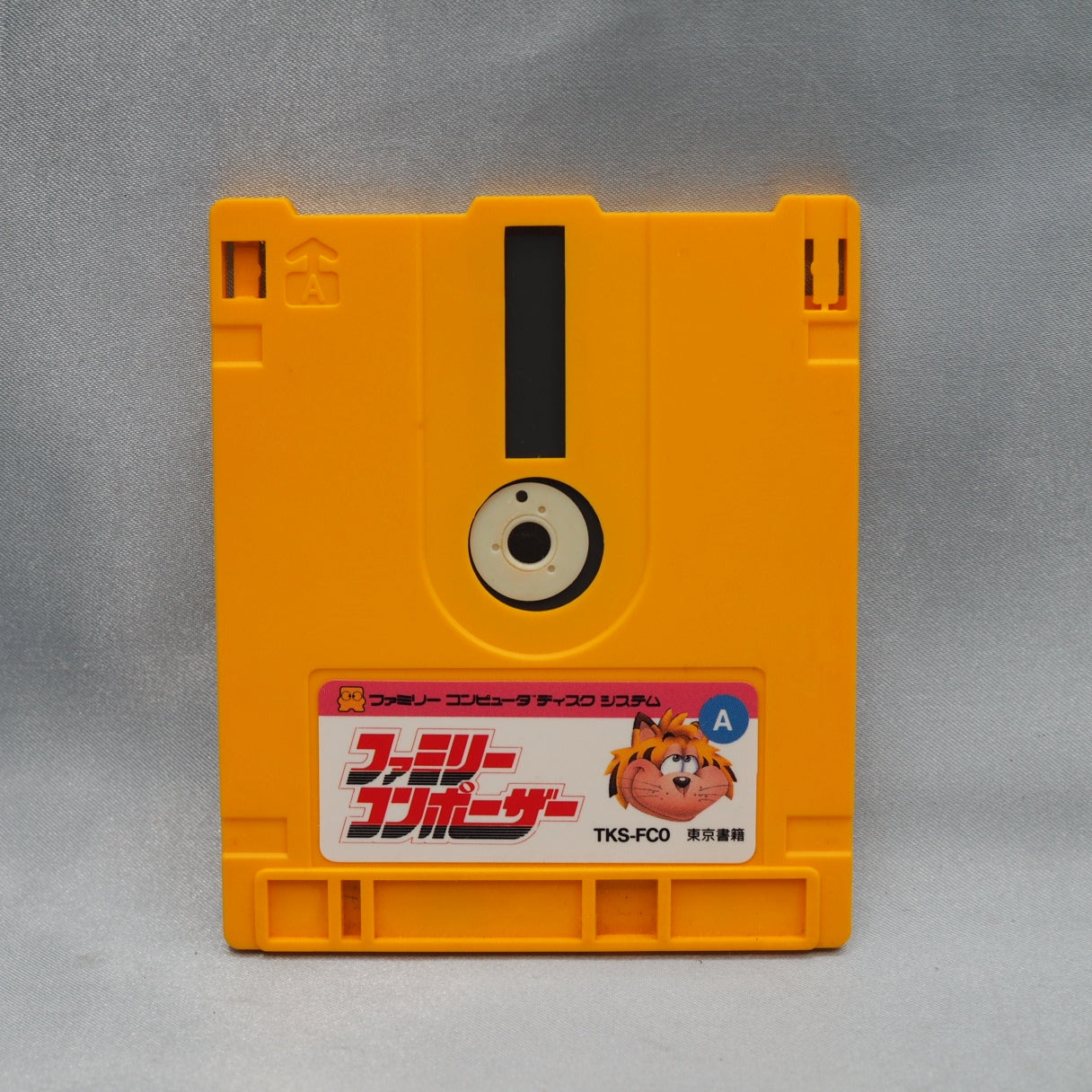
Disk System · 1987
Family Composer
ファミリーコンポーザー
Family Composer is not a game but a music-composition tool for the Famicom Disk System. Users can play keyboard-style so…
Read more →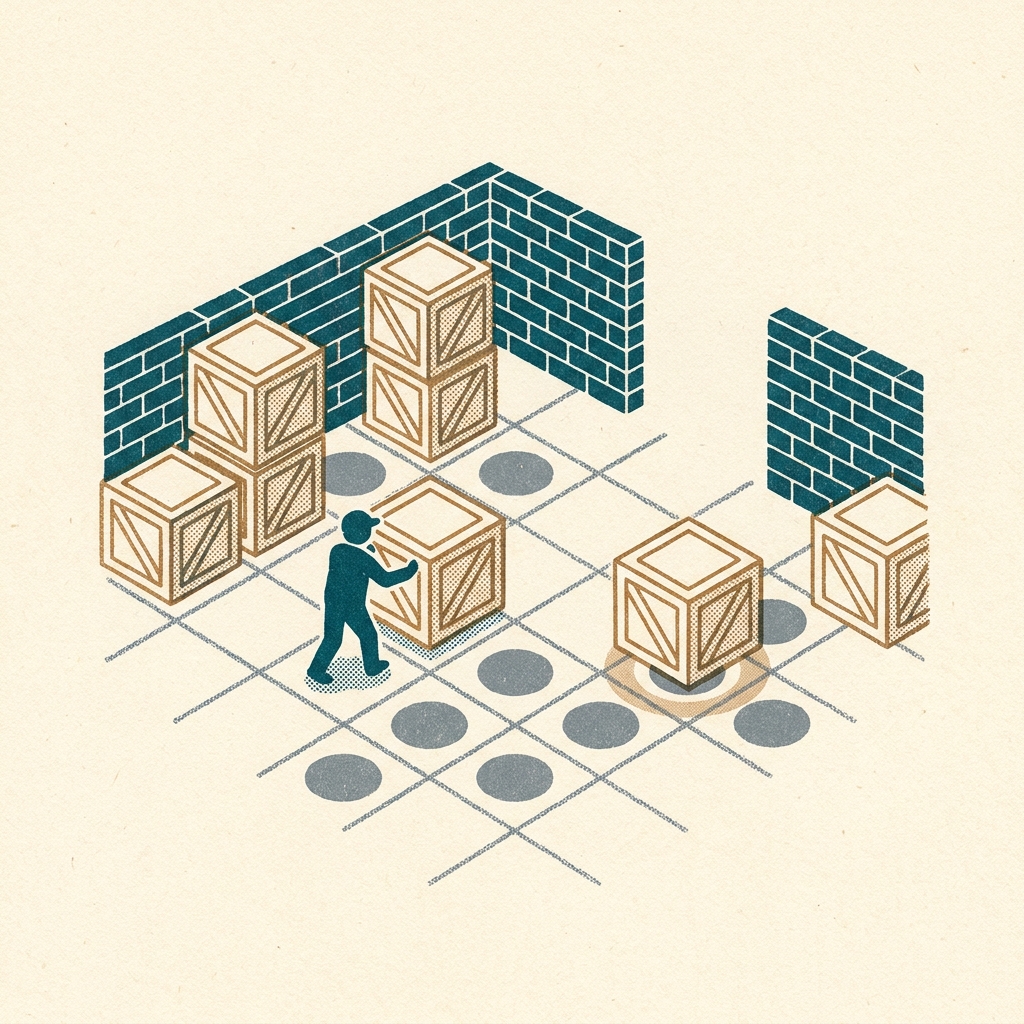
Disk System · 1986
Namida no Soukoban Special
涙の倉庫番スペシャル
Namida no Soukoban Special is a Famicom Disk System game released in 1986, developed by ASCII. It is a puzzle video game…
Read more →
Disk System · 1988
Donkey Kong Jr.
ドンキーコングJR.
The Famicom Disk System edition of Donkey Kong Jr., released in Japan on July 19, 1988 — five years after the 1983 cartr…
Read more →
Disk System · 1986
Tennis
テニス
Tennis is a Famicom Disk System game released in 1986, developed by Nintendo. It is a tennis video game.…
Read more →
Disk System · 1989
Pinball
ピンボール
Nintendo put Pinball on the Famicom in 1984. Five years later the same game returned on the Famicom Disk System, and it …
Read more →
Disk System · 1986
Baseball
ベースボール
A whole team has to move on a screen that has almost nothing in it. That was the problem sitting in front of the small g…
Read more →
Disk System · 1987
Yume Kōjō: Doki Doki Panic
夢工場ドキドキパニック
“I remember being pulled over to Fuji Television one day, being handed a sheet with game characters on it and being told…
Read more →Disk System · 1986
Kid Icarus (Hikari Shinwa: Palutena no Kagami)
光神話 パルテナの鏡
Released in 1986 for the Famicom Disk System, Kid Icarus is a platformer that blends vertical and horizontal scrolling w…
Read more →The Famicom Disk System was an expansion for the original Family Computer. You need a Famicom to use it. The cartridge games — Super Mario Bros., Dragon Quest, Mega Man, Gradius, and more than 1,000 others — live on the Famicom page.
Famicom Disk System — Quick Answers
- When did the Famicom Disk System come out?
- The Famicom Disk System was released exclusively in Japan on February 21, 1986.
- What is the Famicom Disk System?
- It is a peripheral for the Famicom that plays games on rewritable magnetic Disk Cards, offering larger game sizes, battery-free saved games, and an extra sound channel beyond the base console.
- Was the Famicom Disk System released outside Japan?
- No. The Disk System was a Japan-only release. Several of its games were later converted to cartridge for the NES abroad — including The Legend of Zelda and Metroid.
- Why did the Famicom Disk System decline?
- As ordinary cartridges grew in capacity and gained their own battery-backed saves, the Disk System’s advantages faded. Nintendo gradually phased it out over the late 1980s.
Explore the Disk System World
The machine
The Disk System was an add-on for the Famicom — magnetic Disk Cards that brought bigger games, battery-free saves, and an extra sound channel.
Deeper cuts
Many Disk System originals never reached cartridge — or English. A few worth knowing: