The best-selling games machine ever made — it won by being the cheapest DVD player in the shop, and never left the old games behind.
About the PlayStation 2
The PlayStation 2 launched in Japan on 4 March 2000 and went on to become the best-selling video game console of all time, with more than 160 million units sold. Built around a custom processor Sony named the Emotion Engine, it played games on DVD-ROM, played DVD films out of the box, and — through the original PlayStation hardware carried inside it — ran almost the entire PS1 library as well. Across a production run that lasted until 2013, its catalogue grew past 1,500 titles, including some of the most influential games ever made: Grand Theft Auto III and San Andreas, Gran Turismo 3, Metal Gear Solid 2, Final Fantasy X, ICO and Shadow of the Colossus, God of War, and Kingdom Hearts.
It is the best-selling games machine ever made. It won by selling families a DVD player — and setting the games down quietly beside it.
When the PlayStation 2 launched in Japan on 4 March 2000, it cost ¥39,800 — at a time when a stand-alone DVD player still cost more than that. So for millions of households, the PS2 was simply the cheapest DVD player on the shelf. The week it arrived, the disc that sold best alongside it in Japan was not a game at all but a film, The Matrix. The trojan horse worked: people bought a movie player, and a games console came inside the box. By the end, more than 160 million machines had been sold — a record that still stands. But there is a second, quieter decision built into the same machine, and it may be the more human one. Sony could have made the PS2 a clean break from the past. Instead they built the past into it. Tucked inside the console's input-output processor sits the actual processor of the original PlayStation, so the games people already owned still ran on the new machine. A hundred million players were never asked to throw anything away, or to start over. That is the quiet thing worth remembering about the best-selling machine in the history of games: it was also the one that left the fewest people behind.
— inspired by Ken Kutaragi
Design Characteristics
Form & Feel
The PS2 lived two physical lives. The original 'fat' models (2000–2004) were a substantial black slab that could stand upright or lie flat, with an internal power supply and an expansion bay that accepted a network adapter and a hard drive. In 2004 came the 'slim' redesign, roughly a quarter of the original's size, with networking built in and an external power brick — small enough to slip into a bag. Its controller, the DualShock 2, looked like the PlayStation pad before it but read its face and shoulder buttons as pressure-sensitive, registering how hard you pressed rather than merely whether you did. Saves lived on an 8 MB memory card, and over the years the console appeared in more than a dozen colours, a few of which — satin gold, cherry-blossom purple — are now sought after in their own right.
Era & Context
The World It Was Born Into
The PS2 era is when games quietly grew up. With more than 160 million machines in homes around the world, the console did double duty as the device that put a DVD player in the living room for a whole generation, accelerating the format's spread. But its deeper mark was cultural. This was the hardware on which a game could be argued over as a work of art: ICO and Shadow of the Colossus made the case in silence and space; Metal Gear Solid 2 made it through cinema and paranoia; Final Fantasy X gave a Japanese role-playing game a fully voiced cast for the first time. Alongside them, Grand Theft Auto III and Gran Turismo turned in some of the best-selling games ever made. By the time it was over, 'video games' no longer meant only something for children.
Engineering
How It Was Built — and Why
At the centre sat the Emotion Engine, a custom 64-bit processor designed by Sony and Toshiba, running at 294.912 MHz and pairing its CPU core with two vector units to reach about 6.2 GFLOPS — roughly twice the floating-point power of a high-end PC chip of the day. Drawing the picture was the Graphics Synthesizer at 147.456 MHz, unusual for keeping 4 MB of very fast video memory on the chip itself. The system carried 32 MB of RDRAM and read games from DVD-ROM, whose capacity dwarfed the cartridges and smaller discs of its rivals. The cleverest piece, though, is the one you cannot see: the input-output processor that handles the controllers and memory cards is built around the original PlayStation's own CPU. When a PS1 disc goes in, that chip simply becomes a PlayStation again. Backward compatibility here was not software pretending — it was the old machine, physically present inside the new one.
Design Philosophy
The Belief Behind the Machine
"A processor named for feeling — and a promise never to leave the old games behind."
Ken Kutaragi, the engineer behind the PlayStation, did not set out to build a games console at all. His word for it was 'computer entertainment' — a single machine at the centre of the home that played games, played films, and connected to a wider world. The DVD drive was that ambition made concrete, and the price made it irresistible. Two convictions run underneath the hardware. The first is in the very name of its processor: by calling it the Emotion Engine, Kutaragi was claiming that wonder, fear, and feeling could be built out of arithmetic — that a fast enough machine could move people. The second is the refusal to abandon the past. Keeping faith with the hundred million people who owned a PlayStation, rather than asking them to start again, was treated not as a feature to be costed but as a promise to be kept.
Birth Story
How the PlayStation 2 Was Born
The second-generation curse
No company had ever led the games industry through two generations in a row. The first PlayStation had won; history said the follow-up would falter. Ken Kutaragi began work on a successor almost as soon as the first machine shipped in 1994, determined not to defend the PlayStation but to redefine what a console could be.
The engine named for feeling
Sony and Toshiba spent more than a hundred billion yen designing a processor from scratch, and Sony built a chip factory in Nagasaki to guarantee its supply. Kutaragi named it the Emotion Engine — a deliberate claim that the feelings games create could be produced by raw calculation. Unveiled in 1999, it was described as roughly twice as powerful as a high-end PC of the day.
The trojan horse
Kutaragi insisted the machine play DVD films, over objections from inside Sony that it would cannibalise the company's own DVD business. The math was decisive: stand-alone DVD players cost far more than the ¥39,800 PS2. For countless homes, the console arrived as the cheapest way to watch a film — and the games came with it.
The machine built around the old one
Rather than break with the past, the engineers carried it inside. The PS2's input-output processor was built around the original PlayStation's own CPU, so the games a hundred million people already owned still ran. It was backward compatibility as a kept promise, written directly into the silicon.
March 2000
On 4 March 2000 the PS2 went on sale in Japan. More than ten thousand people queued in Tokyo; nearly a million units sold in the first day; the launch website collapsed under demand. That first week, the disc that sold best beside it was not a game but the film The Matrix — the trojan horse, confirmed.
The record that still stands
Dreamcast fell; Sega left the hardware business in 2001. The PS2 ran until 2013, gathered a library of more than 1,500 games, and made the case that games could be art. More than 160 million machines were sold — still the most of any console ever made.
Reflection
What Lasts
It is easy to remember the PlayStation 2 for its records. The best-selling games machine ever made. More than 160 million homes. A library so large that a person could play it for a lifetime and never reach the end. These are the numbers that get repeated, and they are all true.
But the thing most worth keeping is smaller, and quieter, and built into the machine where almost no one ever looked. When Sony designed the PlayStation 2, they had every reason to make it a fresh start. A new generation, a new processor, a clean line drawn under the past. Instead, they carried the past inside. The original PlayStation's own processor was placed within the new machine, so that the games a hundred million people already owned would still run. No one was asked to throw their shelf away.
"The machine that sold the most was also the one that left the fewest people behind."
There is a lesson in that worth carrying out of the museum. The DVD player got the PS2 through the front door — that was the clever part, the trojan horse that made it the cheapest way to watch a film and turned a games console into something every household wanted. But what made it loved, over thirteen years and a generation of childhoods, was something gentler: it did not make you start over. It honoured what you already had.
Winning the largest, and leaving behind the fewest, are usually thought of as opposites. The PlayStation 2 is the quiet proof that, now and then, they can be the same machine.
Five Things About the Best-Seller of All Time
It is the best-selling console ever, it was the cheapest DVD player in the shop, a government feared it could guide missiles, it played its predecessor's whole library, and Sony sold a kit to turn it into a PC. Five stories from the PlayStation 2.
It is the best-selling game machine ever made
No console before or since has matched it. The PlayStation 2 sold around 160 million units across its lifetime — close to three times the combined total of every other console of its generation. It stayed on sale for more than twelve years. Whatever metric you choose, the PS2 is, by a wide margin, the most successful video game console in history.
It was the cheapest DVD player in the shop
When the PS2 launched in 2000, a standalone DVD player cost $400 to $700. The PS2 was $299 — cheaper than any of them, and it played games too. Millions of households bought one not for Gran Turismo but for movie night. In Japan, the best-selling "title" of the launch period was not a game at all: it was a DVD of The Matrix. Sony had smuggled a games console into the living room inside a home-cinema box.
Japan worried it could guide missiles
The PS2 was so powerful for its time that, in 2000, the Japanese government briefly placed it under export controls — concerned that the parallel-math muscle of its "Emotion Engine" chip could, in theory, help compute missile trajectories. A popular legend even claimed Saddam Hussein had tried to buy thousands to build a supercomputer; that part was a myth. But the official worry was real, until trade officials concluded the machine was, after all, just a games console.
It could play the entire PlayStation library
On the day it arrived, the PS2 already had thousands of games — because it could play almost all of them from the original PlayStation. Sony built the older console's processor into the new one as a dedicated chip, so the previous generation's library, over 2,400 titles, worked out of the box. For a buyer upgrading from a PS1, nothing was lost. That single decision made the leap to the new machine effortless.
Sony sold a kit to turn it into a PC
In 2002 Sony released an official Linux Kit for the PS2: a hard drive, keyboard, mouse, and network adapter that turned the games console into a working personal computer running Linux. It was meant for hobbyist programmers, and Sony planned to make only 2,000 of them for Japan. Demand was nearly four times that — about 7,900 sold. For a while, your games machine could also be the computer on your desk.
Before You BuyWhat to watch for, so you don't regret it
The PlayStation 2 is the best-selling console ever made — over 160 million units — which is good news for a buyer: hardware is plentiful and prices stay reasonable. Two things are worth settling before you commit: which generation of the machine you want — the original 'Fat' or the later 'Slim' — and the health of the optical drive, since a Disc Read Error is the PS2's signature failure.
Full buying guide →Caring for One You OwnKeeping a vintage machine running
In March 2000, Sony released the PlayStation 2, a games console with a DVD player built in. Ken Kutaragi, the engineer behind the PlayStation, wanted one machine that played both games and films. He also did not want PlayStation owners to leave their old games behind, so the PS2 runs almost all of the old PS1 games as well. That is why caring for a PS2 today begins at the disc drive. One laser pickup has to read PS2 games, PS1 games and DVD films. It is the part that fails most often. The rest is simpler. Keep heat and dust down, and give the machine the right power for its model. The first PS2s are now more than twenty-five years old, but over 160 million were sold, so a good one is still easy to find and easy to keep.
What ages inside a PlayStation 2
- Optical drive and laser pickup (Disc Read Error)The PS2's most common fault is the Disc Read Error: the laser pickup weakens with age, producing discs that load slowly, read intermittently, or read one media type but not another — games but not DVD films, or the reverse. The laser can fail partially, so a unit that reads one disc may still struggle with another. This is the single thing to verify before trusting any used machine.
- Cooling and heatThe larger 'fat' models run warmer because of their internal power supply, and dust in the vents and on the internal fan accelerates problems on both fat and slim units. Heat compounds laser wear, so thermal management is preventive maintenance, not just housekeeping.
- Disc tray and loading gears (fat models)On fat models the plastic disc-loading mechanism can wear or break with age. Symptoms include a tray that will not open or close properly, or a disc that will not spin up. This is mechanical wear separate from the laser itself.
- Power supply and adaptersFat models can suffer internal power-supply degradation over time. Slim models depend on an external AC adapter whose connector can fail, and genuine slim adapters are now discontinued — so the right power connection is a real concern, especially on slims where the wrong adapter is genuinely risky.
- DualShock 2 analog sticksDualShock 2 controllers commonly develop sticky or drifting analog sticks with age as the rubber and contacts wear. Both the rubber and the contacts are repairable, and a genuine DualShock 2 holds up far better than most third-party pads.
What you can do yourself
- Keep the vents and fan clearKeeping the vents and internal fan free of dust matters, especially on the warmer fat models. Use compressed air to clear accumulated dust from the vents and fan area. This is the simplest action that directly slows laser-related failures.
- Test all three disc formatsBecause the laser can fail partially, test a PS2 game, a PS1 game, and a DVD film. A drive that reads one type but not another has a tired laser. Slow loading, repeated read failures, freezing, or discs that 'only read when tilted' or after the tray is cycled a few times are all warning signs.
- Use genuine saves and controllersSaves need an official 8 MB memory card; third-party cards are less reliable. A genuine DualShock 2 keeps its analog sticks far better than clones. Confirming both are genuine and tested avoids the most common everyday frustrations.
- Match power to your regionJapanese fat models run on 100 V only — a step-down transformer is required for use on 120 V or 220–240 V supplies. Slim models use an external adapter that can be swapped for one rated for your local supply. Confirm exactly which power lead is present and correct before powering on.
When to replace the laser
Laser replacement is the PS2's defining repair, and it depends entirely on getting the part number right.
- Laser pickup replacementA worn laser is replaceable, but the correct unit depends on the exact model: fat models generally use the KHS-400 series, while slim models use the SPU3170 (SCPH-70000), PVR-802W (SCPH-75000/77000), or TDP-182W (SCPH-90000). The SCPH number alone is not a guarantee — the safest check is to open the unit and read the laser's own part number before buying a replacement.
- Disc-tray mechanism repair (fat models)When a fat model's loading gears wear or break, the tray or spin-up will fail mechanically. This requires opening the drive and is separate from laser work; matching replacement parts to the model is again the key to a reliable repair.
What I see in this machine is ambition. Every console before it announced itself as a toy the moment you carried it into the room; this one was built to be allowed into the living room and left standing beside the television and the amplifier. The disc slot is hidden — the front closes and the machine goes quiet. Teiyu Goto designed it to read as audio-visual equipment rather than a toy, and the shape has an odd ancestor: Sony's own industrial design patent for the console cites the Atari Falcon 030 MicroBox, a vertical computer Atari shelved when it left the market. The plastic does not feel like much in the hand, and it takes up more room in a room than its measurements account for, but I no longer read that as carelessness. It intended to be seen standing there.
Representative Games
A handful of titles that define this console — each with a shop owner's note, collector's guide, maintenance tips, and memory prompts. The complete library is one click away.
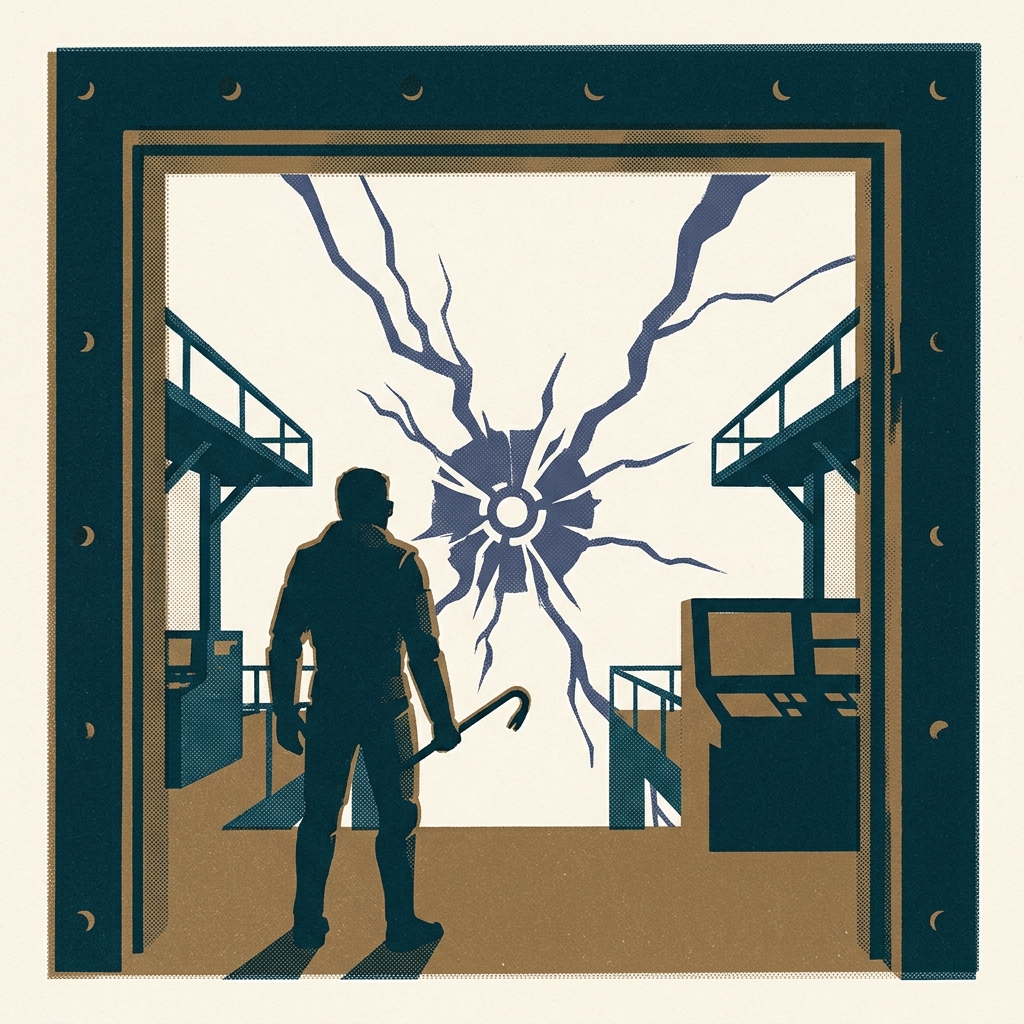
PlayStation 2
Half-Life
ハーフライフ
Half-Life on PlayStation 2 (2001) is Gearbox Software's console adaptation of Valve's landmark PC first-person shooter. …
Read more →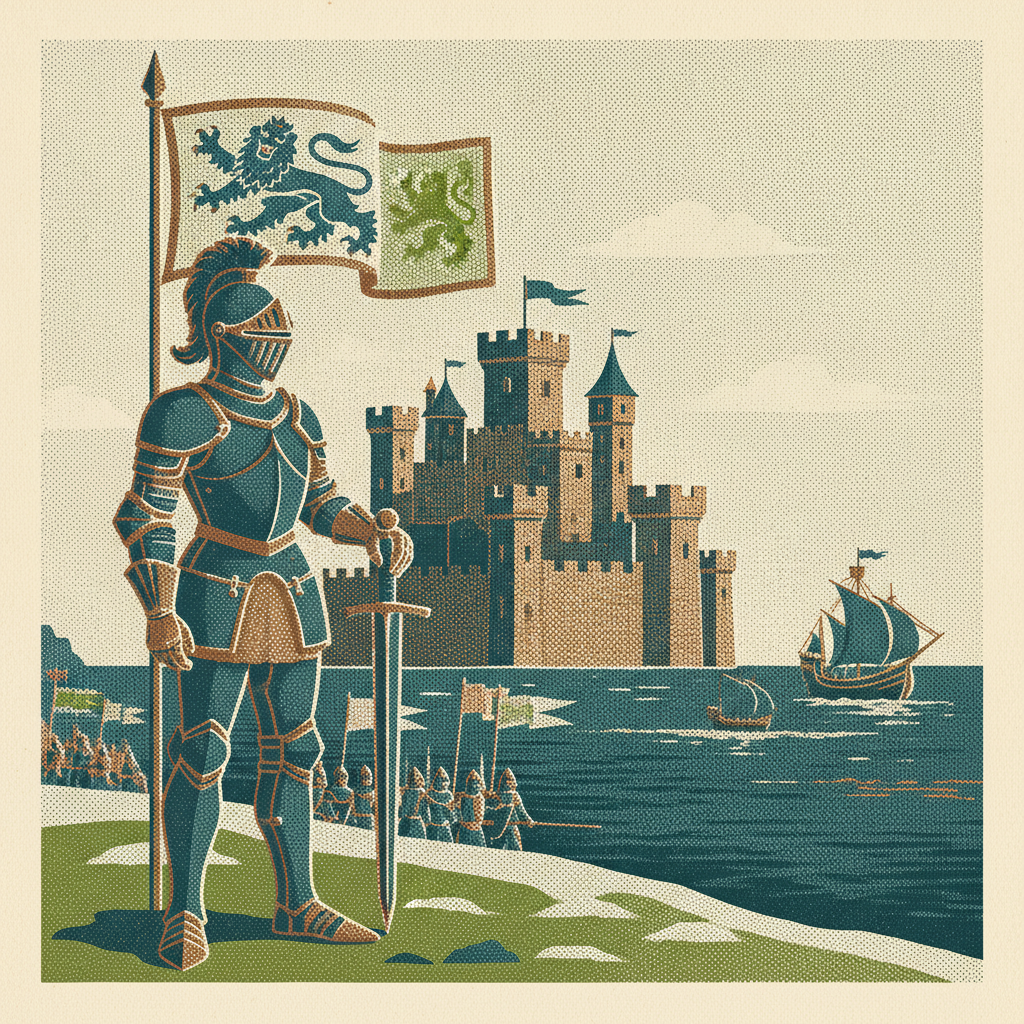
PlayStation 2
Age of Empires II: The Age of Kings
エイジ オブ エンパイアII
On 11 May 1999, Microsoft and Konami announced a trade. Konami took the option to publish selected Microsoft games on th…
Read more →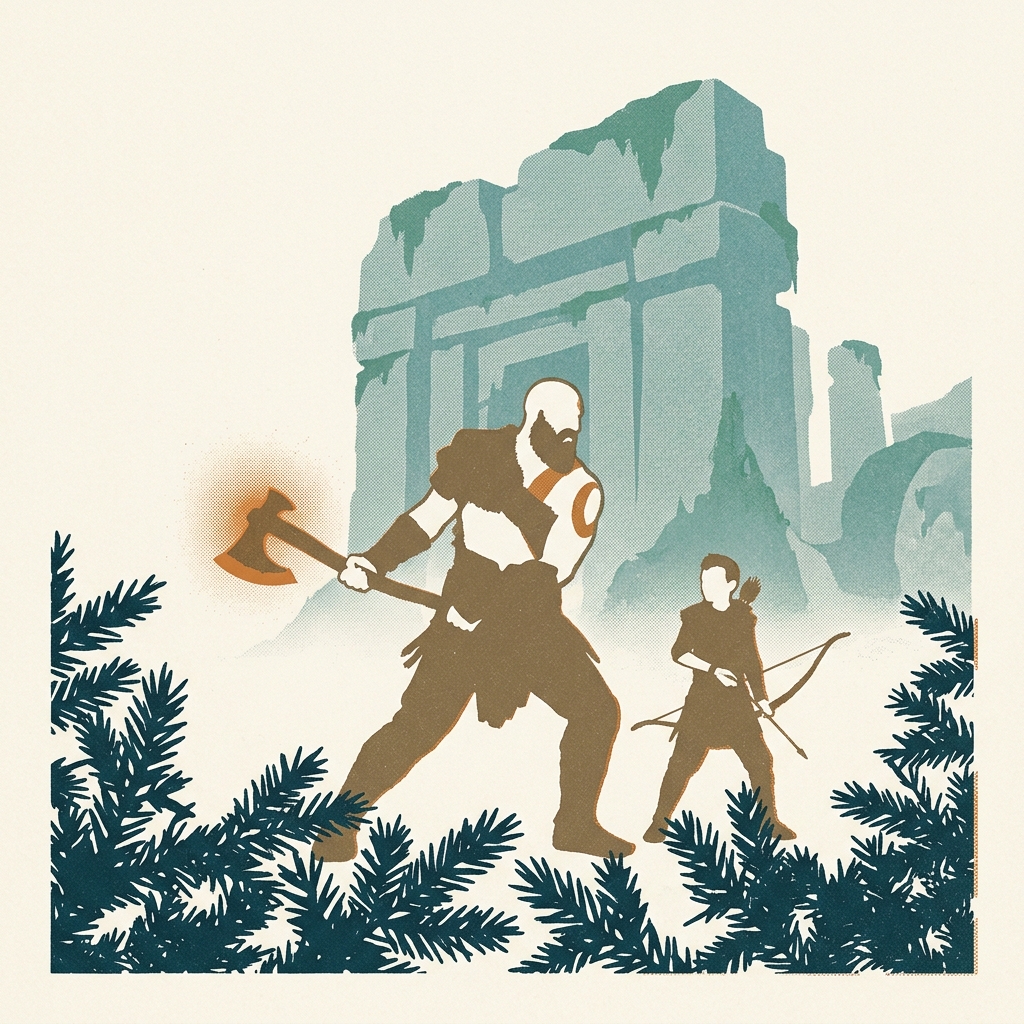
PlayStation 2
God of War
ゴッド・オブ・ウォー
God of War is a PlayStation 2 game released in 2005, developed by Santa Monica Studio, published by Sony Computer Entert…
Read more →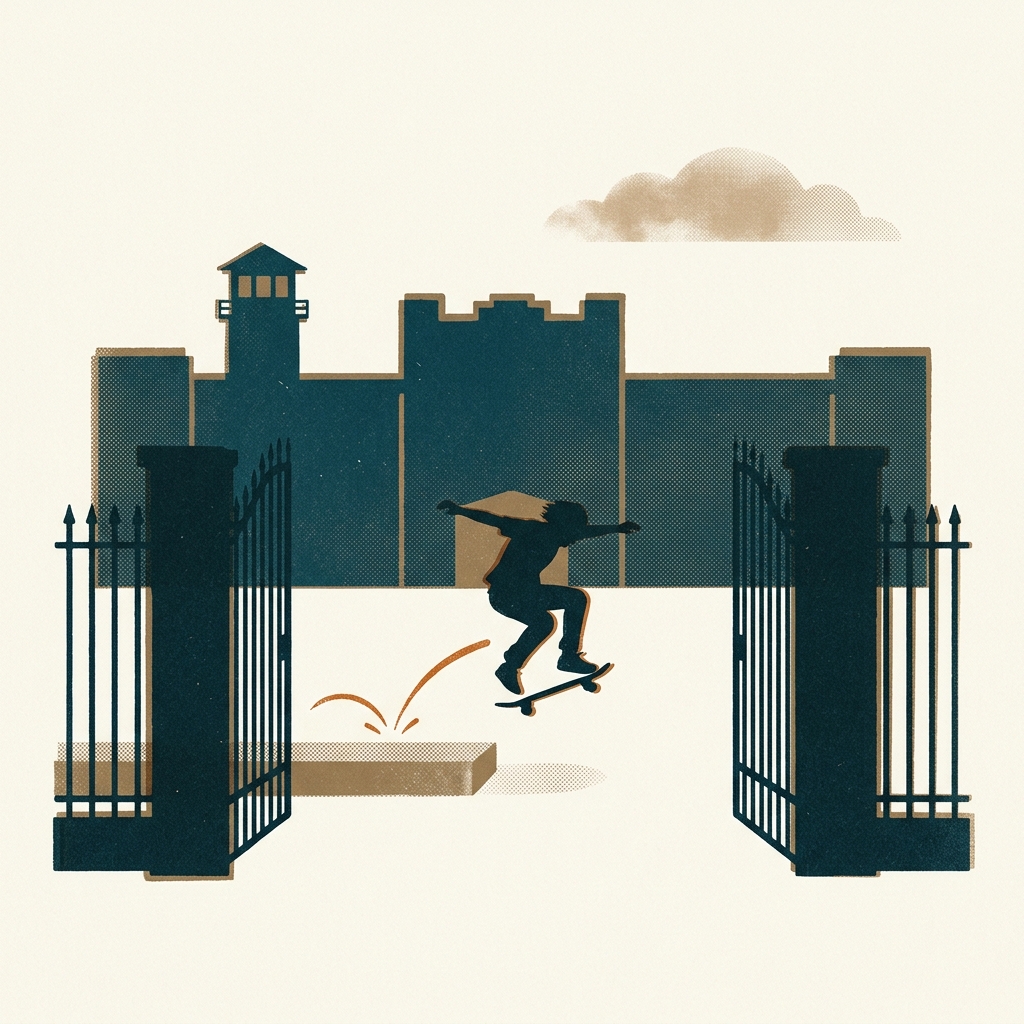
PlayStation 2
Bully
BULLY
Bully is a 2006 action-adventure game for the playstation 2, developed by Rockstar Vancouver, with music by Shawn Lee. I…
Read more →
PlayStation 2
Call of Duty 3
コール オブ デューティ3
Call of Duty 3 (2006) is a World War II first-person shooter developed by Treyarch for multiple platforms including Play…
Read more →
PlayStation 2
Final Fantasy X
ファイナルファンタジーX
Isamu Kamikokuryo joined the Final Fantasy X team as a part-time hire. He says, in a Japanese-language interview with Ar…
Read more →PlayStation 2 — Quick Answers
- When did the PlayStation 2 come out?
- The PlayStation 2 was released in Japan on March 4, 2000, in North America on October 26, 2000, and in Europe on November 24, 2000.
- What is the PlayStation 2's release date?
- The PlayStation 2 launched first in Japan on March 4, 2000 at ¥39,800. It went on to become the best-selling home console of all time, with over 155 million units sold worldwide.
- Can the PlayStation 2 play PS1 games?
- Yes. The PlayStation 2 is backward compatible with the original PlayStation (PS1) library, playing the vast majority of PS1 discs.
- Could the PlayStation 2 play DVDs?
- Yes. The PS2 doubled as a DVD-Video player, which at launch was cheaper than many standalone DVD players — a major driver of its early sales.
- When was the PlayStation 2 discontinued?
- Sony discontinued the PlayStation 2 in early 2013, ending a production run of over 12 years — one of the longest of any console.
- Is the PlayStation 2 region locked?
- Yes. The PlayStation 2 is region-locked: Japanese (NTSC-J), North American (NTSC-U/C), and European (PAL) discs and consoles are not officially cross-compatible without modification.
Questions people actually ask about the PlayStation 2
When it arrived
One machine, several dates. The one you remember depends on where you were standing.
Tell it apart
People often meet PlayStation 2 under another name, or mistake it for the machine beside it. These pages exist to settle that.