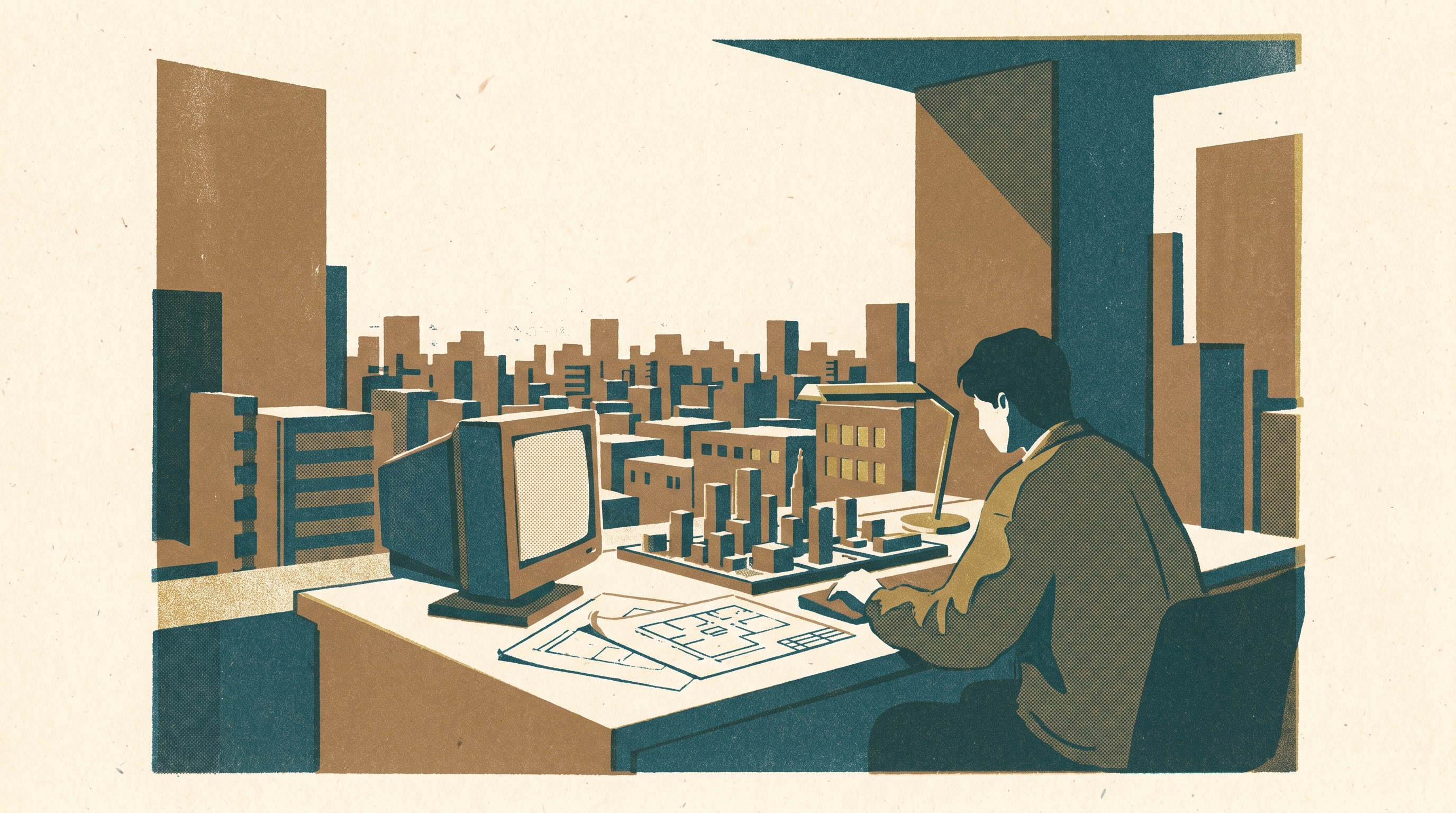
Masayoshi Kikuchi was not a director. He had never directed a game before. When Smilebit — a small Sega division made from the remnants of Team Andromeda — asked him to lead a new project in 1998, he said yes anyway. The team averaged under 25 years old. Most had never shipped a game. They had a question: what if a game looked like it was moving, not rendering?
Kikuchi spent a year on the game's plot. Not by choice. The team lacked programmers, so there was nothing to build. He used the time to think. A near-future Tokyo. Inline skaters who painted graffiti. Police who chased them. A city divided by youth culture cliques. Hip-hop, graffiti, street performance. Not the background — the point. The city was not a stage. It was the character.

Around the same time, Kikuchi and artist Ryuta Ueda researched visual techniques. They wanted the game to look drawn, not textured. Flat color, hard outlines, cartoon clarity. They found a technique used in technical demos and academic papers but rarely in commercial games: cel shading. Rendering 3D objects as if they were 2D animation cels. It was unfamiliar. It was perfect.
Development officially began when programmers finally joined. The team grew to around 25 people — still small for an action game with open environments. The work was hard. Kikuchi had no prior experience to lean on. He learned by making mistakes and correcting them the same day. The deadline was fixed: the Dreamcast was already in decline, and Sega needed the game before the platform lost momentum.
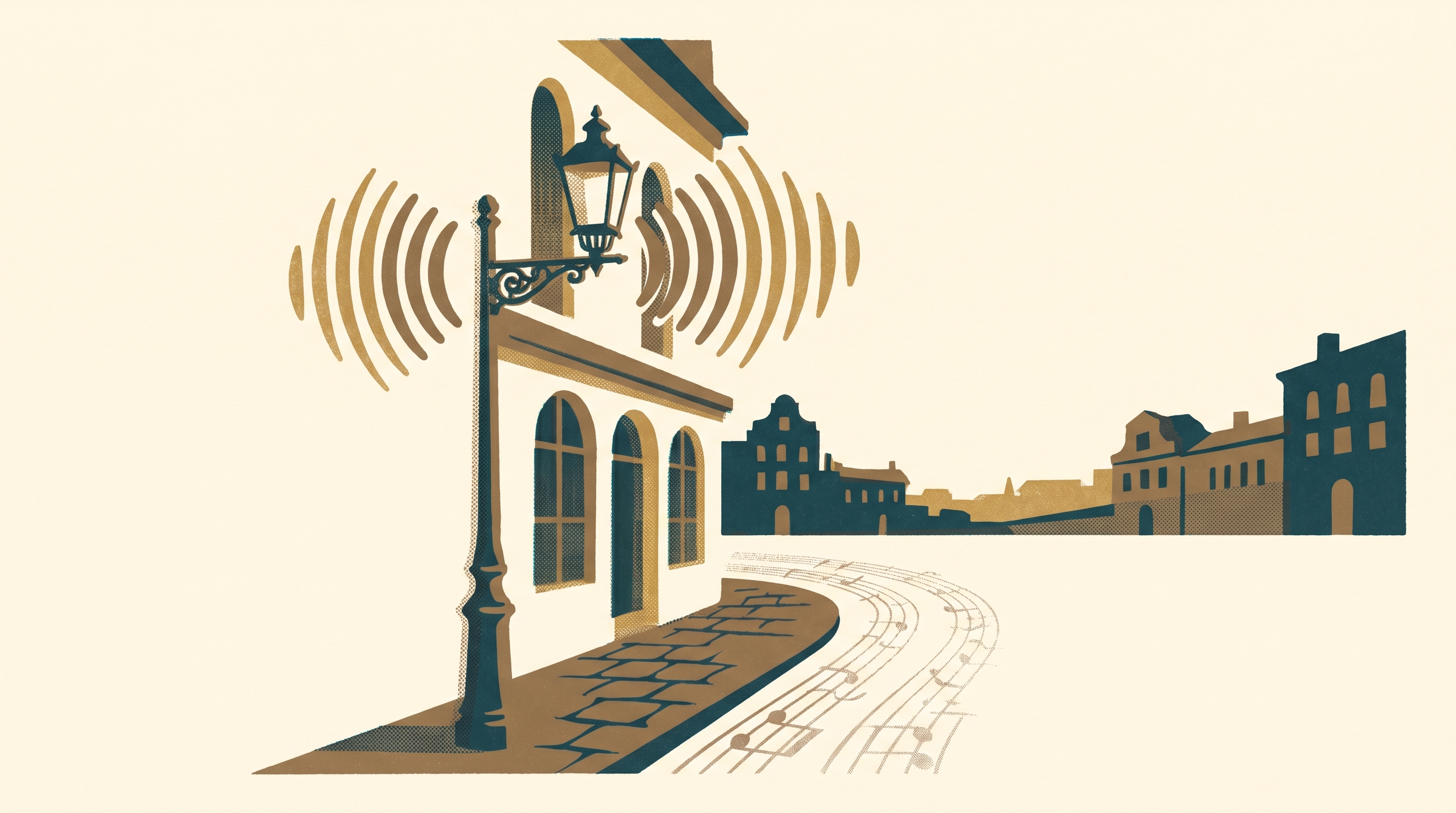
The soundtrack was composed primarily by Hideki Naganuma, blending hip-hop, funk, electronic, and J-pop into something that had never existed in a game before. Tracks like Humming the Bassline and Birthday Cake were inseparable from the act of skating through Tokyo-to. The music was not accompaniment. It was the city's pulse.
Jet Set Radio was released in Japan on June 29, 2000. It was one of the first commercial games to use cel shading as its primary visual style. Critics called it groundbreaking. Players called it beautiful. The game sold roughly 600,000 copies on Dreamcast — modest by blockbuster standards, but enough to become a landmark. It was cited in retrospectives as a turning point in art direction: proof that a game could have a visual identity as strong as any film or album.
In 2002, Kikuchi directed the sequel, Jet Set Radio Future, for the original Xbox. The series continued to influence art direction, music integration, and urban design in games for decades. Kikuchi remained at Sega, contributing to later projects and eventually returning as producer for a new Jet Set Radio title announced in 2023.
The game's central achievement was not technical. Jet Set Radio made a city feel like it was living — breathing, sounding, belonging to someone. Tokyo-to was not scenery. It was a place people wanted to stay in. That was the work of someone who had never directed anything before, leading a team younger than he was, with a technique no one had proven could sell. It worked because he believed the city mattered more than the platform it ran on.