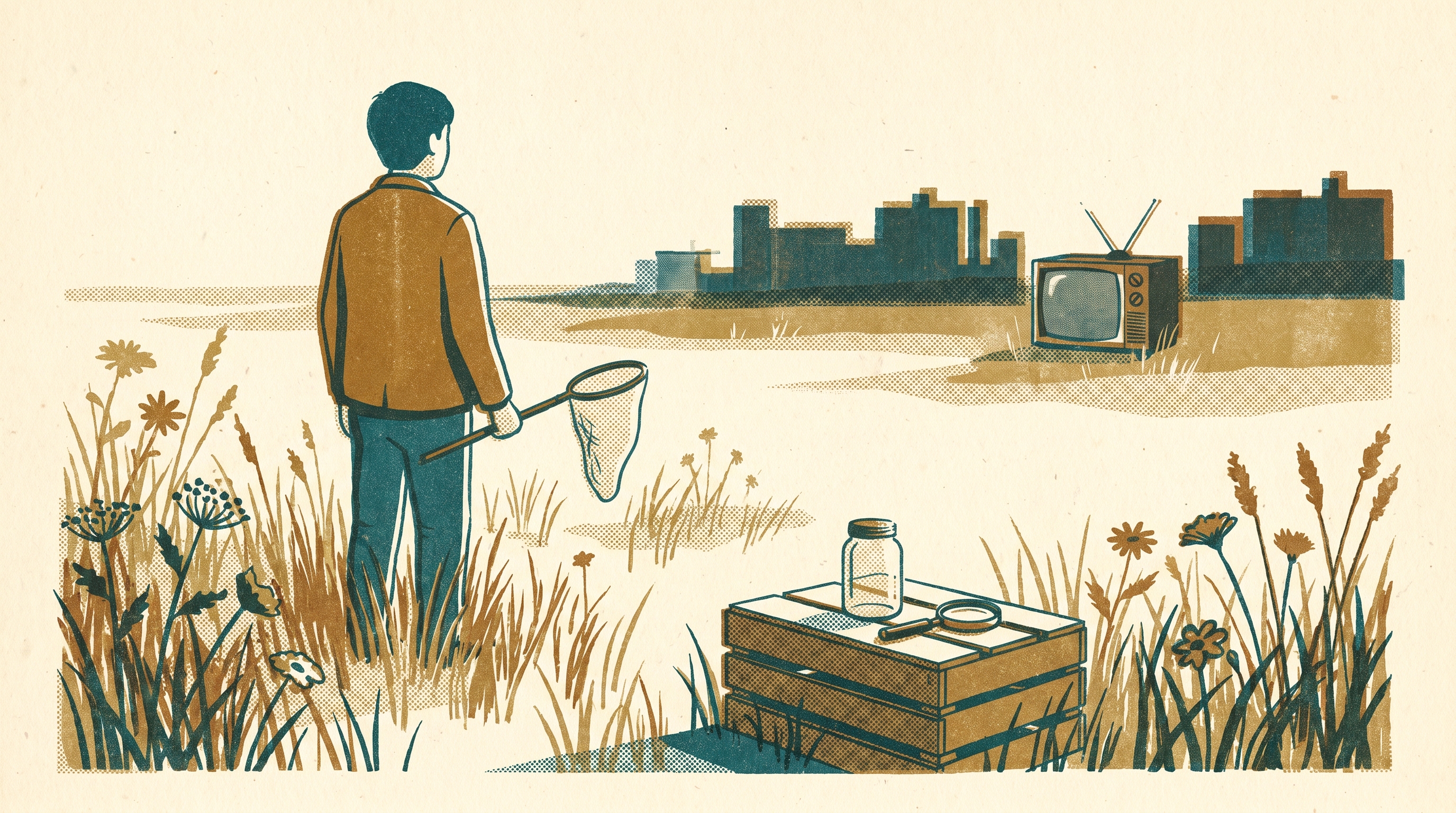
There was a vacant lot in Machida, on the western edge of Tokyo, where a boy named Satoshi Tajiri spent his summers face-down in the grass. He was looking for beetles. The other children called him Dr. Bug, and for a while he wanted to grow up to be an entomologist. In the 1960s and early 1970s the western suburbs still held their wild edges — rice paddies, drainage streams, scraps of woodland between the houses — and a patient child could fill a jar with creatures that each behaved a little differently, and learn them one at a time.
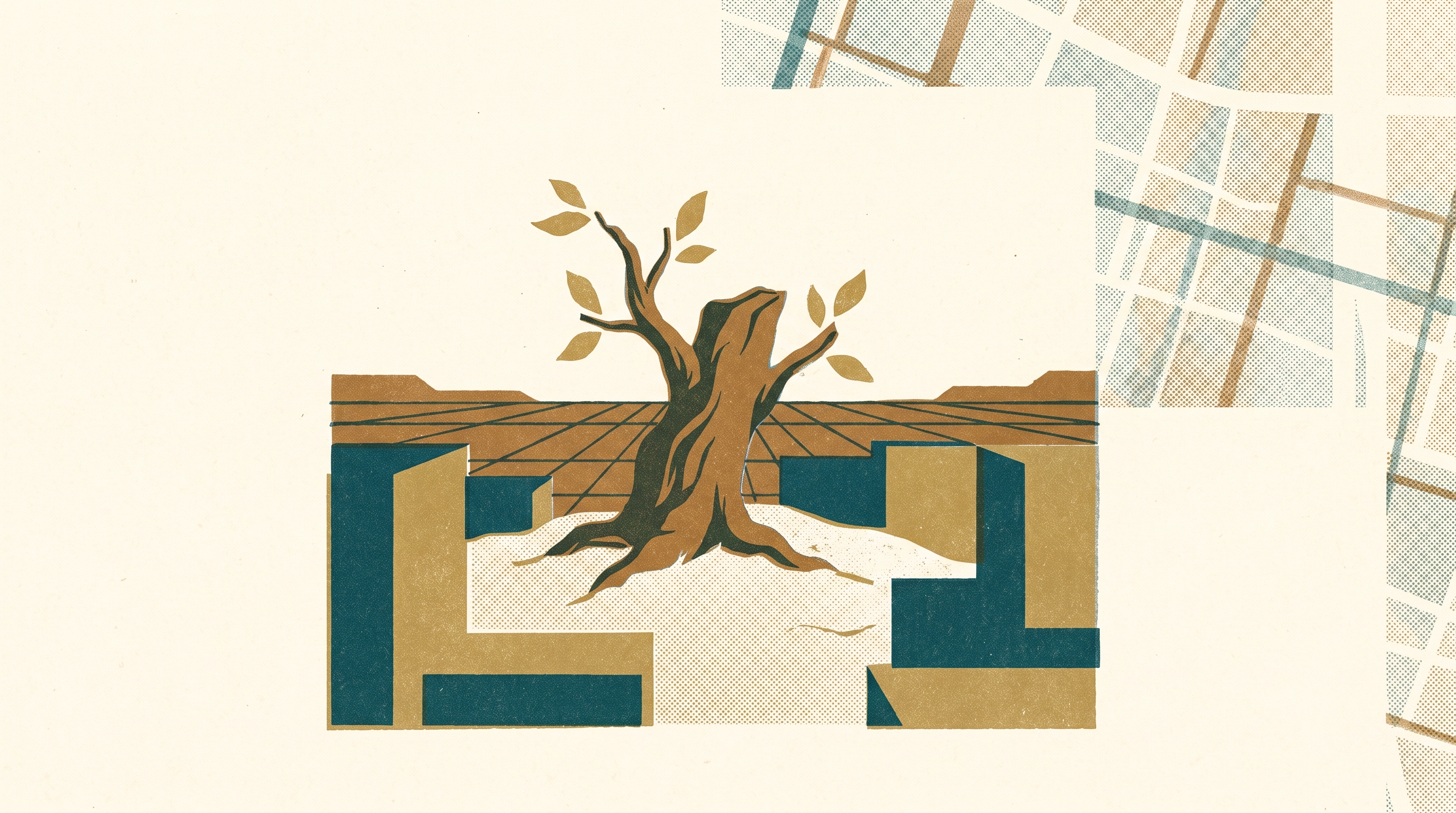
Then the world he was studying began to disappear. Tokyo was growing, and growth meant concrete. The paddies were filled in, the streams were buried in culverts, the woods came down for housing and roads. By the time Tajiri reached his teens, the places where he had caught insects were mostly gone — not damaged, not fenced off, but erased, as if they had never held anything alive at all. A child moving into that same neighborhood a decade later would have no way of knowing what had once been there. There was simply nothing left to find.
Most people who lose a childhood landscape carry the ache of it quietly for the rest of their lives. Tajiri did something stranger. He kept turning the loss over — the way he had once turned over a stone to see what lived beneath it — not to mourn it, but to understand exactly what it had given him. What he found, when he looked, was not the beetles themselves. It was the shape of the thing: a world full of small creatures you could seek out, catch, come to know, and — this was the part that mattered most — show to a friend.
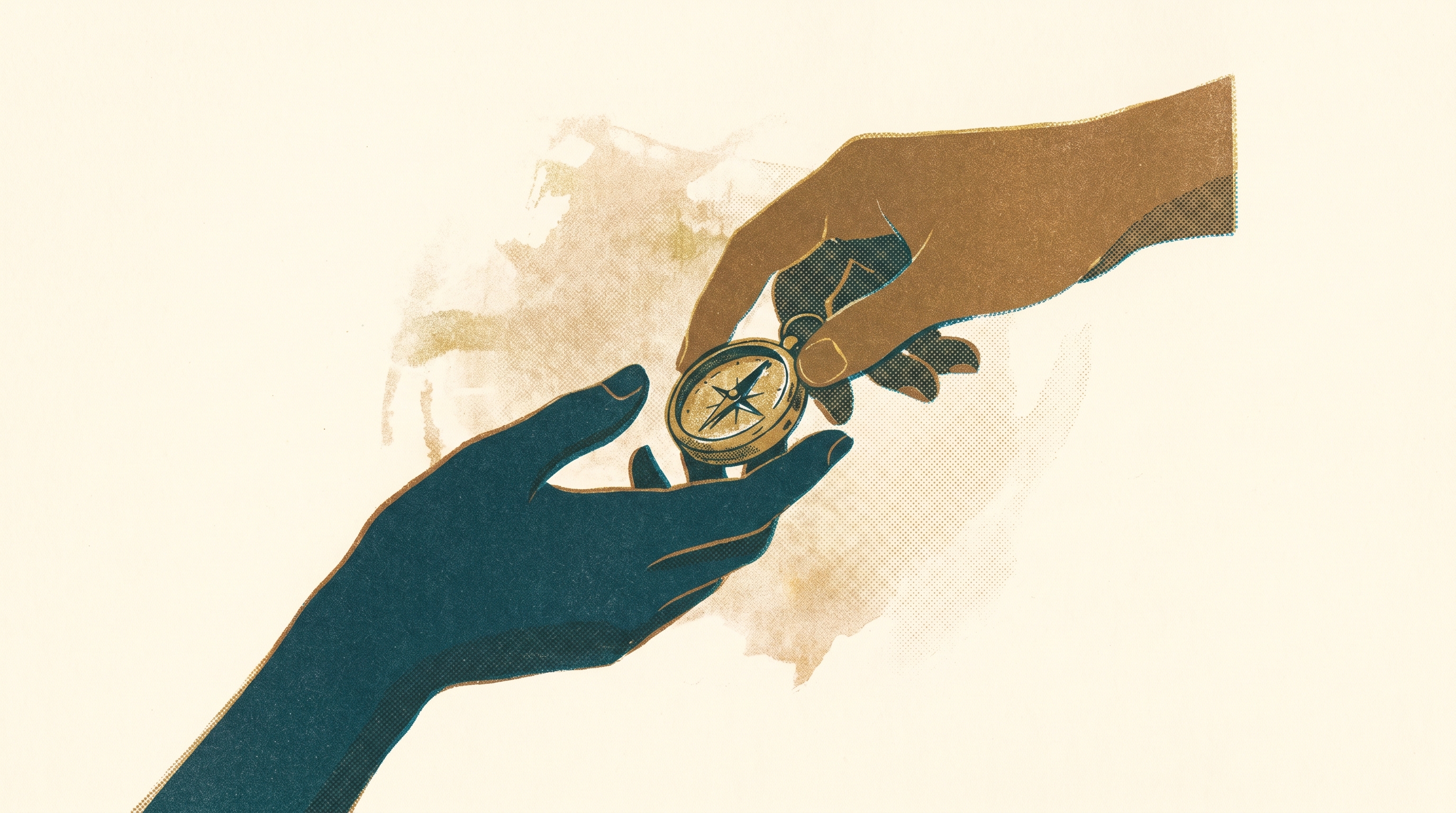
Years later, working at the small studio he had grown out of a stapled fanzine, he was handed a Game Boy and noticed the cable that joined two of them together. Where an engineer saw a data link, Tajiri saw a path through tall grass. If a creature could travel down that wire from one machine to another, then two children in two different rooms could do the thing he had done in the vacant lot: trade what they had caught. This is why the heart of Pokémon was never the fighting. It was the cable — the trade — the moment one child holds out a closed hand to another and says, look what I found.
Building it took six years and very nearly took the company down with it; that struggle is its own story. But hold on to what the machine was actually for. By 1996, a child growing up in a Japanese city of concrete and glass might never once have knelt in wet grass to catch a living thing. The fields Tajiri had known were under parking lots now. So he built the fields back — pixel grass you step into, creatures that rustle up out of it, a jar you carry in your pocket, a friend you find each other after school to trade with. Pokémon Red and Green did not invent a fantasy world. It restored a real one, and handed it to children who had never been allowed to have it.
More than three hundred million of those children have now walked through that tall grass. By revenue it became the largest entertainment franchise the world has ever made — larger than any film or comic or toy. But the engine underneath all of it is one boy's refusal to let a vanished summer stay vanished: his quiet decision that the thing he had loved, and lost, was worth rebuilding from nothing, so that someone who came too late could feel it too.
We tend to assume the things that formed us are gone the moment the world moves on from them — that they live only in our own memory and end there. Tajiri's life suggests otherwise. What shaped you is not only behind you; it is also in your hands, and it can still be given away.
There is a place you loved that no longer exists — a street, a season, a particular way the light came through in the late afternoon. You may be one of the last people who still carries it. What would it take to give it to someone who was never there?