The Super Famicom in your palm — and not one old cartridge left behind.
About the Game Boy Advance
The Game Boy Advance launched in Japan on 21 March 2001 at ¥9,800. Built around a 32-bit ARM processor, it delivered roughly Super Famicom-class 2D graphics on a 240×160 screen — and, through a second processor carried inside it, played the entire Game Boy and Game Boy Color library as well. It appeared in several forms across its life: the original AGB-001, the folding, lit SP, and the tiny Game Boy Micro. Together they sold more than 81 million units, on a catalogue that included Pokémon Ruby and Sapphire — the best-selling Game Boy Advance game at over 16 million copies — alongside MOTHER 3, Metroid Fusion and Zero Mission, Fire Emblem, Ace Attorney, and a long shelf of Super Famicom classics brought to the palm. It was discontinued in 2010.
You couldn't see it in the dark — the first model had no light of its own. People kept playing anyway, because what was on the screen outshone the screen.
The Game Boy Advance did not try to invent the future. It took the 16-bit world that had only ever lived in front of a television — Mario, Metroid, Zelda — and slipped it into a pocket. For the first time, a Super Famicom-class game could be played on a train, or under the covers after the lights were out. Except that it couldn't, quite. The first model, the AGB-001, had no backlight. In a dim room its screen went almost black, and you found yourself tilting it toward a lamp, a window, the ceiling light — anything. It is the flaw everyone who owned one remembers. Nintendo spent years answering it: a front-light in the folding SP, and finally a true backlight in the last revision. But for two years, people simply squinted and kept going. That is the quiet thing worth keeping. A machine can carry a real, daily, undeniable flaw and still be loved — if what it holds inside is bright enough to make you forgive the glass. The Advance also kept faith with everything before it: every Game Boy and Game Boy Color cartridge ever made still clicked in and played. It was, in the most literal sense, a machine you did not have to hold up to the light to see the worth of.
— inspired by Satoru Okada
Design Characteristics
Form & Feel
The Advance lived as a family, not a single object. The original AGB-001 was a wide, two-handed slab — the first horizontal Game Boy, the first with L and R shoulder buttons — but its reflective screen had no backlight, and that defined how people remember it. In 2003 the folding SP (AGS-001) answered with a front-light and a built-in rechargeable battery, trading away the headphone jack to do it. A later revision (AGS-101) finally fitted a true, far brighter backlight; the two SPs look identical from the outside, which makes telling them apart the single most useful thing a buyer can learn. Last came the 2005 Game Boy Micro: jewel-small, with a beautiful bright screen — but it dropped backward compatibility entirely, and the market never warmed to it.
Era & Context
The World It Was Born Into
The Advance era is the last time a single handheld stood almost alone. While the PlayStation 2 and GameCube fought over the living room, the GBA simply was portable gaming, from 2001 until the PSP and DS arrived. Its library leaned on three pillars: Pokémon, which sold in the tens of millions; a wave of original role-playing games — Fire Emblem reaching the West for the first time, Final Fantasy Tactics Advance, the Japan-only farewell of MOTHER 3; and a steady migration of Super Famicom classics into the palm. A link cable even tied it to the GameCube, where games like The Wind Waker and Final Fantasy Crystal Chronicles used the little screen as a second window. By the time it ended, it had quietly become one of the best-selling game systems ever made.
Engineering
How It Was Built — and Why
Inside sit two processors, not one. A 32-bit ARM7TDMI running at about 16.78 MHz handles Advance games; beside it, a Sharp chip descended from the original Game Boy's processor runs Game Boy and Game Boy Color cartridges. The slot itself senses the shape of whatever you insert and switches the machine between the two — so the Advance is, quite literally, two handhelds sharing one shell. The screen is 240×160 pixels with a 15-bit colour palette, fed by 96 KB of video memory and 288 KB of system RAM, and the sound pairs the old Game Boy's four-channel chip with two new channels for sampled audio. The choice that shaped everything was a quiet one: with this much power Nintendo could have chased early 3D, but they spent it on rich, fast 2D instead — the look that let the Super Famicom's library feel at home.
Design Philosophy
The Belief Behind the Machine
"The Super Famicom in your palm — and not one old cartridge left behind."
The Advance was built on a simple, almost humble idea: put the home console in your hands, and do not make anyone start over. The first half is why it chose lavish 2D over thin 3D — the goal was the Super Famicom in your palm, not a weaker imitation of the machines under the television. The second half is written into the cartridge slot: the entire Game Boy and Game Boy Color libraries, more than a decade of games, kept working without change. This is the lateral-thinking spirit of Gunpei Yokoi, the engineer who created the original Game Boy. Yokoi had left Nintendo, and had died in 1997, four years before the Advance shipped; he did not design it. But the conviction he built the Game Boy on — that what matters is not the newest technology but the most thoughtful use of proven technology — survived him, and you can feel it in every old cartridge that still clicks into place.
Birth Story
How the Game Boy Advance Was Born
The dream that was shelved
In the early 1990s Nintendo began designing a 32-bit colour handheld under the codename Project Atlantis, exploring an ARM processor and a colour screen. The result never satisfied, and the project was set aside. Its colour-screen research did not go to waste, though — it became the Game Boy Color in 1998. The bigger machine would have to wait.
The maker who was already gone
Gunpei Yokoi, the engineer who created the original Game Boy, had left Nintendo in 1996, and died in a road accident in 1997 — four years before the Advance shipped. He did not design it. But the Advance was built on the idea he had made famous, lateral thinking with proven technology, and it would honour his Game Boy by running every cartridge ever made for it.
Two machines in one shell
The engineers gave the Advance two processors: a 32-bit ARM chip for its own games, and a descendant of the Game Boy's own processor for the old ones. The cartridge slot senses what you insert and switches between them. Backward compatibility here was not emulation pretending — it was the older handheld, carried physically inside the new one.
The Super Famicom in your palm
With its 32-bit power Nintendo could have chased early 3D. Instead it spent that power on lavish, fast 2D — and the Super Famicom's classics began migrating to the palm, Mario and Metroid and Zelda among them. The promise was simple: the living-room machine, now on a train.
The screen you could not see
There was a catch, and everyone who bought the first model met it. The AGB-001 had no backlight; in a dim room its screen went almost black. People tilted it toward lamps and windows and kept playing anyway. Nintendo answered over years — a front-light in the 2003 SP, a true backlight in the final AGS-101, a bright little screen in the 2005 Micro that, fatally, dropped the old games.
The long, quiet reign
It walked into an open field — WonderSwan fading, Game Gear long gone — and owned the handheld market until the PSP and DS. Pokémon Ruby and Sapphire alone sold past 16 million. More than 81 million machines were sold, and Nintendo kept the SP and Micro in production beside the DS until 2010.
Reflection
What Lasts
It is tempting to remember the Game Boy Advance for its flaw. The first model, the one most people bought in 2001, had a screen with no light of its own — in a dim room it went nearly black, and a whole generation learned the small ritual of angling it toward the nearest lamp. Nintendo would spend years fixing this: a front-light, then a true backlight, then a tiny bright machine that arrived too late and, fatally, dropped the old games.
And yet people did not put it down. They squinted, and they kept playing — because what the cartridges held was brighter than the glass that showed it. That is worth sitting with. We are taught to wait for the version without the flaw, the model with the better screen, the thing that finally gets everything right. But the Advance was loved in its imperfect first form, by people who decided that the worth was already there, light or no light.
"A real flaw and a thing worth keeping can live in the same machine."
There is a second kind of faithfulness built into it, quieter still. The Advance honoured everything that came before: every Game Boy and Game Boy Color cartridge ever made still clicked in and played, the old hardware carried physically inside the new. This was the spirit of Gunpei Yokoi — lateral thinking with proven technology — surviving the man himself, who had died four years before the machine shipped and never designed it. A philosophy, it turns out, can outlast the person who taught it.
The best machine is not always the one without a fault. Sometimes it is the one you loved enough to look past the fault — and the one that, in turn, never asked you to leave anything behind.
Did You Know
French Designer Behind the Landscape Form
The Game Boy Advance's distinctive landscape form factor was designed by French designer Gwénaël Nicolas and his Tokyo-based studio, Curiosity Inc. Nicolas proposed slightly rounder lines for the device and LCD frame to inject softness into the model, aiming to transform gaming technology into something more accessible and contemporary. This marked a significant departure from the portrait orientation of previous Game Boy models, with buttons placed to the sides of the screen rather than below.
Before You BuyWhat to watch for, so you don't regret it
The Game Boy Advance is one of the easiest Japanese systems to import, because its games are entirely region-free — a Japanese cartridge runs on any GBA in the world. The decision that matters most is which model you buy: the screen ranges from the famously dim original to the bright backlit SP, and that single choice changes the experience more than anything else.
Full buying guide →Caring for One You OwnKeeping a vintage machine running
The Game Boy Advance lived as a family of machines rather than a single object — the original AGB-001, the folding SP, and the tiny Micro — and each ages a little differently. The good news for an owner is that its games are region-free and most of its common faults are simple to clean, replace, or modify. The work is mostly screens, hinges, batteries, and cartridge contacts.
What ages across the GBA family
- The unlit original screen (AGB-001)The original AGB-001's defining limitation is its reflective LCD with no backlight, which goes almost black in dim light. This is not a fault that develops but the model's design; many surviving units have been fitted with aftermarket backlit displays, and a modded screen is a genuine value-add rather than a defect.
- SP hinge cracking (AGS-001 / AGS-101)On the folding SP, the plastic around the clamshell hinge grows brittle with age and can crack or split. It is the most common age problem on the SP. Replacement shells fix it, so a cracked hinge is repairable rather than terminal.
- Internal rechargeable batteries (SP and Micro)The SP and Micro both use built-in rechargeable cells that lose capacity over the years. A unit that dies within minutes of powering on needs a replacement cell — a straightforward, expected service item on these two models.
- Cartridge contact oxidationCartridge contacts oxidise like any Game Boy's over time, causing games to fail to start or read intermittently. This cleans up with a cotton swab and high-strength isopropyl alcohol.
- Battery-compartment corrosion (AGB-001)The original AGB-001 runs on two AA batteries, and leaked cells can corrode the battery compartment and contacts. Speaker wear also appears on aging units. Open the battery compartment and check for leak damage on any used original.
- Save batteries on a few cartridgesMost GBA games save to battery-free flash memory, but a handful of titles — such as Pokémon Pinball Ruby & Sapphire — use a small internal save battery that, after two decades, may now be failing. This is a cartridge issue rather than a console one.
What you can do yourself
- Clean cartridge contactsClean oxidised cartridge contacts with a cotton swab and 91%+ isopropyl alcohol. This resolves most intermittent-read and won't-start problems on aging cartridges.
- Check the battery and hinge on an SP or MicroOn an SP or Micro, watch the battery — if it dies within minutes, it needs a replacement cell. On the clamshell SP, inspect the hinge for cracks, particularly the plastic on the D-pad side, which is known to split over time.
- Inspect the screen and slotLook at the screen for dead pixels or liquid bleed, and inspect the cartridge slot for corrosion. On the original AGB-001, open the battery compartment and check for leak damage before use. If a game is included, start it and confirm the save works.
- Know which model you haveThe backlit AGS-101 and frontlit AGS-001 SPs look identical from the outside, so confirm the model number on the back label. A quick test: powered off, an AGS-101 screen goes fully black while a frontlit AGS-001 stays faintly visible. The Micro (OXY-001) plays GBA cartridges only — original Game Boy and Game Boy Color carts will not physically fit.
Modifications and shell work
Most GBA work is light, but two improvements call for opening the shell.
- Aftermarket backlight (AGB-001)The original AGB-001's dim screen is commonly cured by fitting an aftermarket backlit display. This is a value-adding modification rather than a repair, and modded units sell at a premium — but it involves opening the unit and fitting a replacement panel.
- Replacement shell for a cracked SP hingeA cracked SP hinge is fixed with a replacement shell, which requires transferring the internals into a new clamshell housing. The parts are available; the work is careful disassembly rather than soldering.
Coming soon — the shop owner's personal note on this console. Taisei Shimizu has shipped Game Boy Advance units to collectors around the world. His note will appear here.
Representative Games
A handful of titles that define this console — each with a shop owner's note, collector's guide, maintenance tips, and memory prompts. The complete library is one click away.
Game Boy Advance
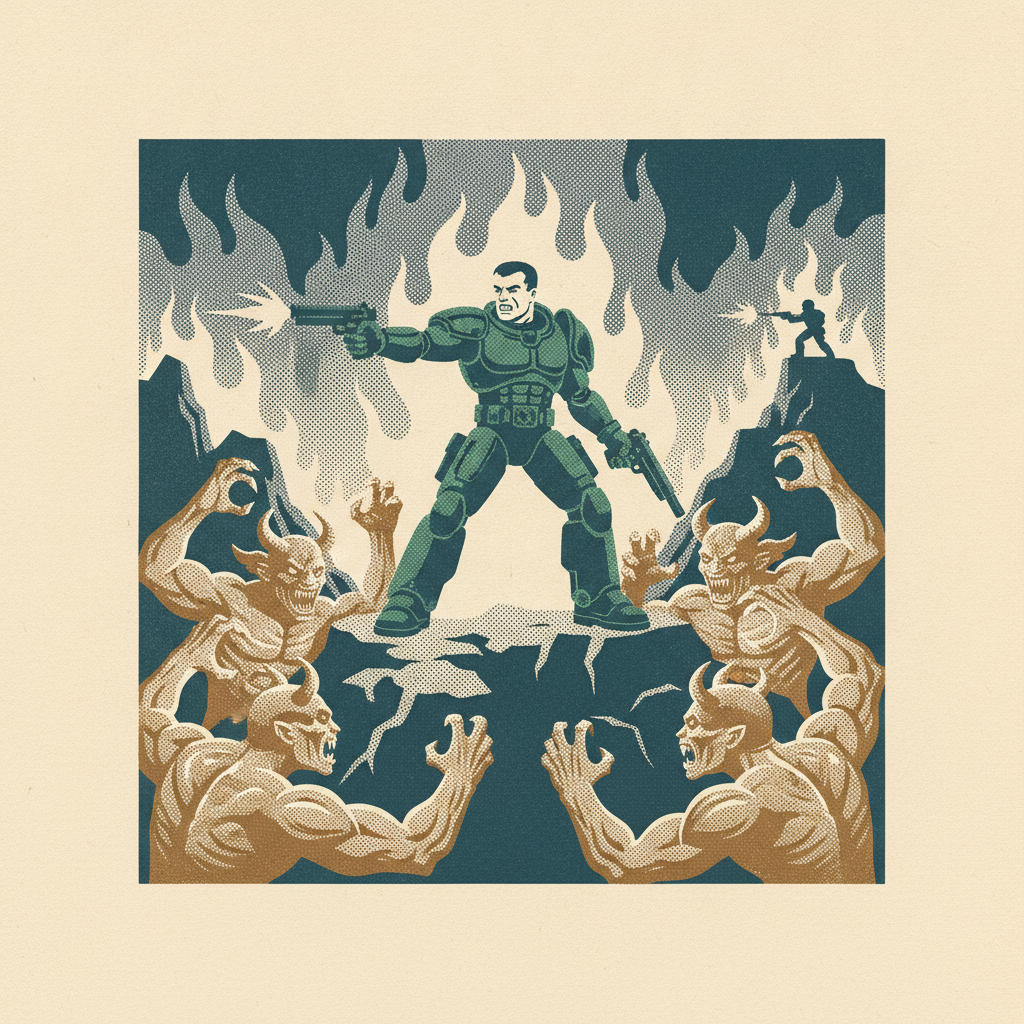
Doom
DOOM
They asked for Doom. What they carried into id Software was a Game Boy Color tech demo, and Carmack put Commander Keen i…
Read more →
Game Boy Advance
The Sims 2
ザ・シムズ2
You are the star of a television show, and you did not audition for it. The town is Strangetown, the man who owns it is …
Read more →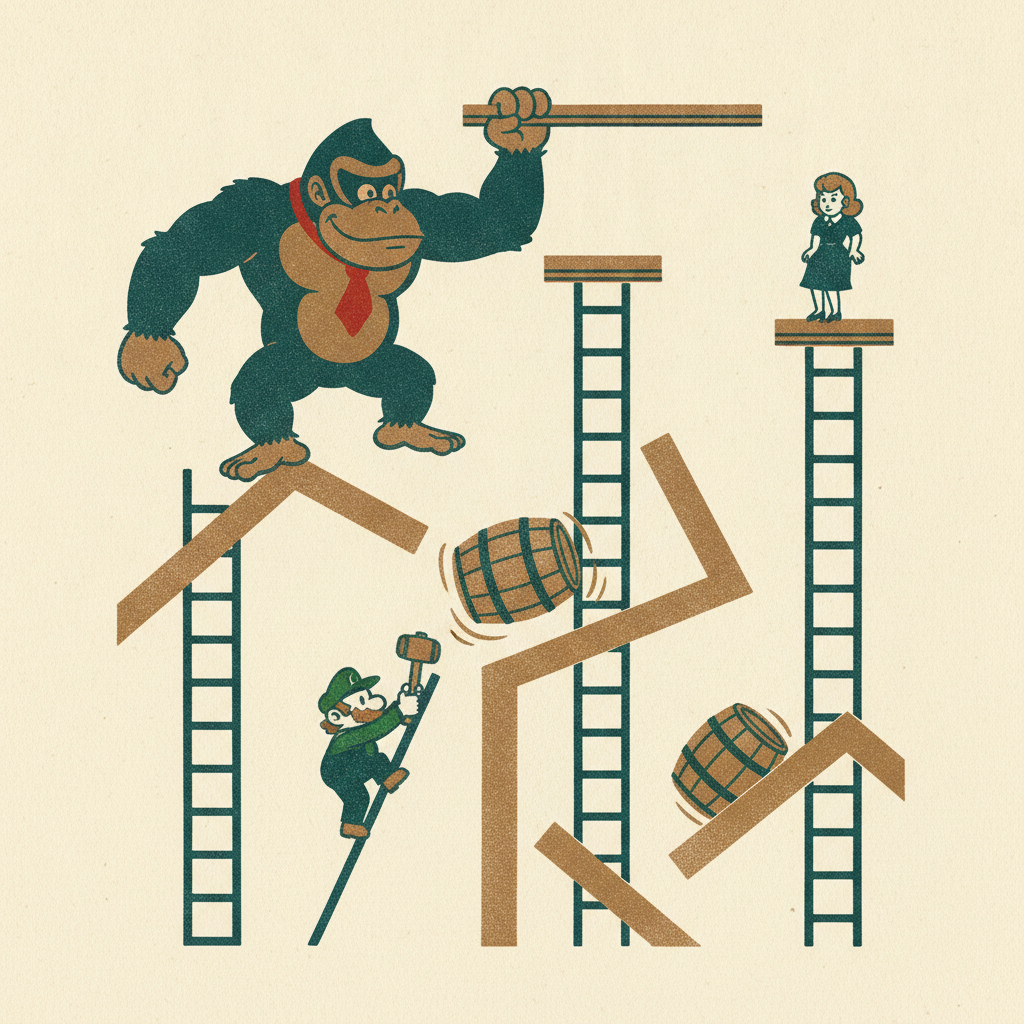
Game Boy Advance
Famicom Mini: Donkey Kong
ドンキーコング
On February 14, 2004, Nintendo put a twenty-one-year-old game back on a shop shelf and asked money for it, unchanged. T…
Read more →
Game Boy Advance
Need for Speed: Most Wanted
ニード・フォー・スピード モスト・ウォンテッド
Need for Speed: Most Wanted is a Game Boy Advance game released in 2005, developed by Pocketeers, published by Electroni…
Read more →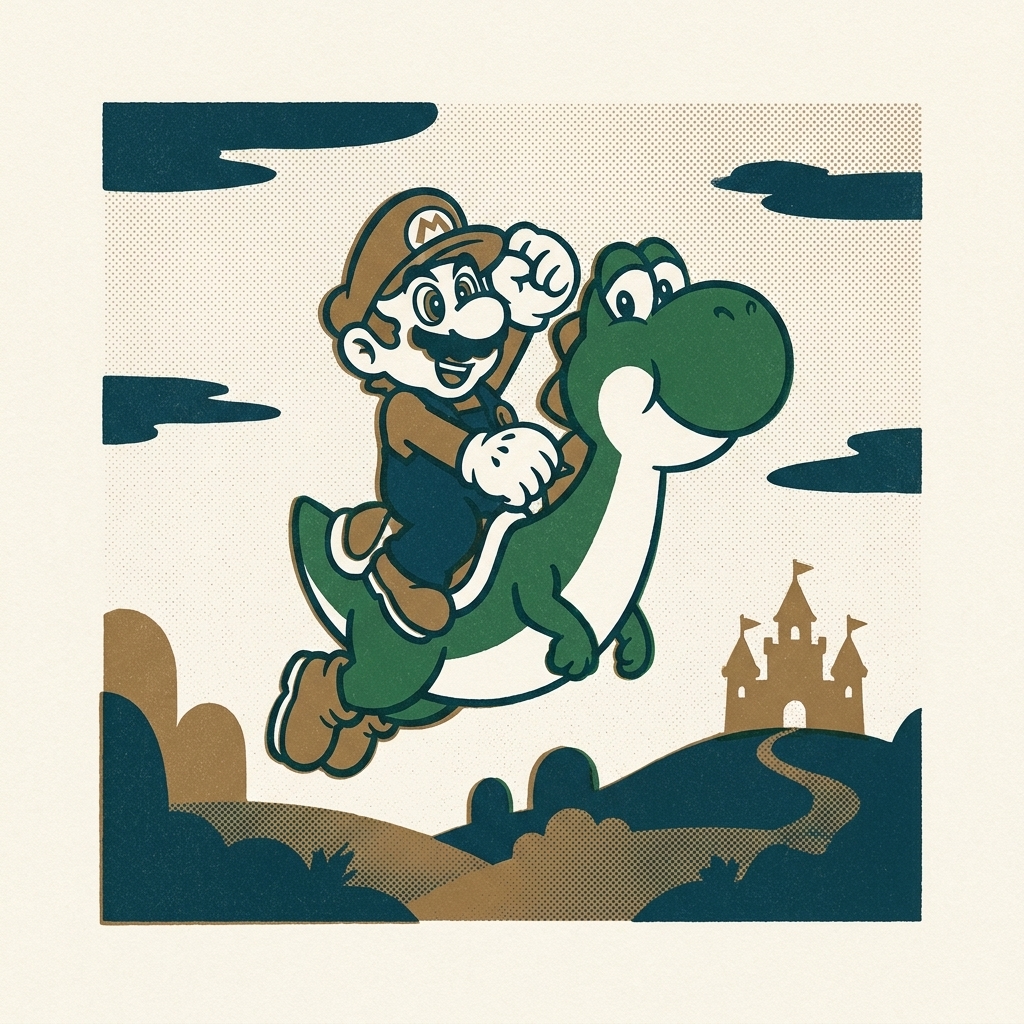
Game Boy Advance
Super Mario Advance 2: Super Mario World
スーパーマリオワールド
Super Mario Advance 2: Super Mario World is a Game Boy Advance game released in 2001, developed by Nintendo Research & D…
Read more →Game Boy Advance
Need for Speed: Carbon
ニード・フォー・スピード カーボン
The last Need for Speed the Game Boy Advance ever received arrived on October 31, 2006, and it was not the console game …
Read more →Game Boy Advance — Quick Answers
- When did the Game Boy Advance come out?
- The Game Boy Advance was released in Japan on March 21, 2001, in North America on June 11, 2001, and in Europe on June 22, 2001.
- What is the Game Boy Advance's release date?
- The Game Boy Advance launched in Japan on March 21, 2001 at ¥9,800. It was Nintendo’s first 32-bit handheld, powerful enough to carry 16-bit-era classics in your pocket.
- Can the Game Boy Advance play Game Boy and Game Boy Color games?
- Yes. The original Game Boy Advance and the Game Boy Advance SP are fully backward compatible with both the original Game Boy and Game Boy Color libraries.
- Is the Game Boy Advance region free?
- Yes. Game Boy Advance cartridges are region-free — a Japanese cartridge plays on a North American or European system and vice versa, with no region lock.
Explore the Game Boy Advance World
The Game Boy family
The Game Boy Advance was the final chapter of the Game Boy line — the same handheld idea, now powerful enough to carry 16-bit classics in your pocket.
Deeper cuts
From 16-bit revivals to original handheld adventures: