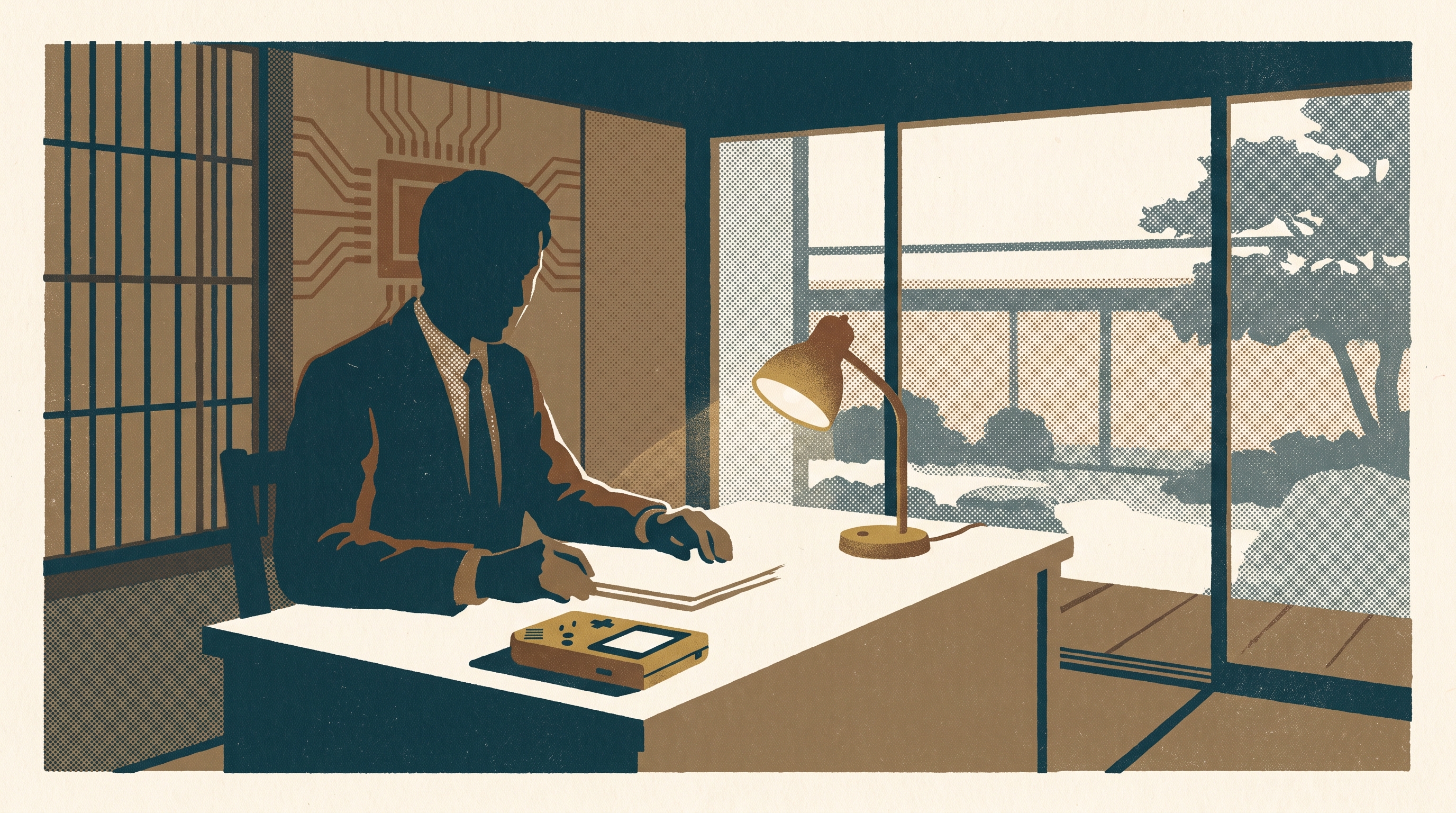
In 2001, Eiji Aonuma stood in front of Shigeru Miyamoto and showed him what his team had been building. Miyamoto looked at the screen. His face tightened. He later said he 'literally cringed' when he saw it. The new Zelda game looked like a cartoon. It was not what anyone expected.
Aonuma had known this would happen. That was why he waited. He brought the game to Miyamoto only after the visual direction was too far along to reverse. If he had shown it earlier, he believed Miyamoto would have asked: 'How is that Zelda?' And the project would have ended there.
Aonuma joined Nintendo in 1988 straight from Tokyo University of the Arts, where he studied composition design and built karakuri — mechanical puppets that moved through gears and cranks. At his job interview he admitted he had barely played any video games. Nintendo hired him anyway. He spent the early years working on graphics, creating sprites for golf games no one remembers. In 1996 he directed a Super NES title called Marvelous. Then Miyamoto recruited him to work on a new Zelda game.
The game was Ocarina of Time. Aonuma was the scenario director and dungeon designer. The dungeons were intricate, layered puzzles that required players to hold multiple spatial relationships in their heads at once — the kind of work that came naturally to someone who had spent years thinking about how objects fit together in three dimensions. The game released in 1998 and became one of the most critically acclaimed titles in history.
Miyamoto asked him to direct the next one. That game was Majora's Mask, released in 2000. It gave players three days to save the world, then made them watch the world end, then sent them back to try again. It was darker than Ocarina. Aonuma was learning something: that each Zelda game needed to break what the previous one had built.
When work began on the next title — what would become The Wind Waker — the team decided they could not simply make another Ocarina. They chose a cel-shaded art style, rendering the world in flat colors and black outlines, like a moving painting. It was bright, expressive, and unlike anything the series had done before. Aonuma knew what Miyamoto's first reaction would be. So he did not show him. He waited until the game was far enough along that changing direction would mean starting over.
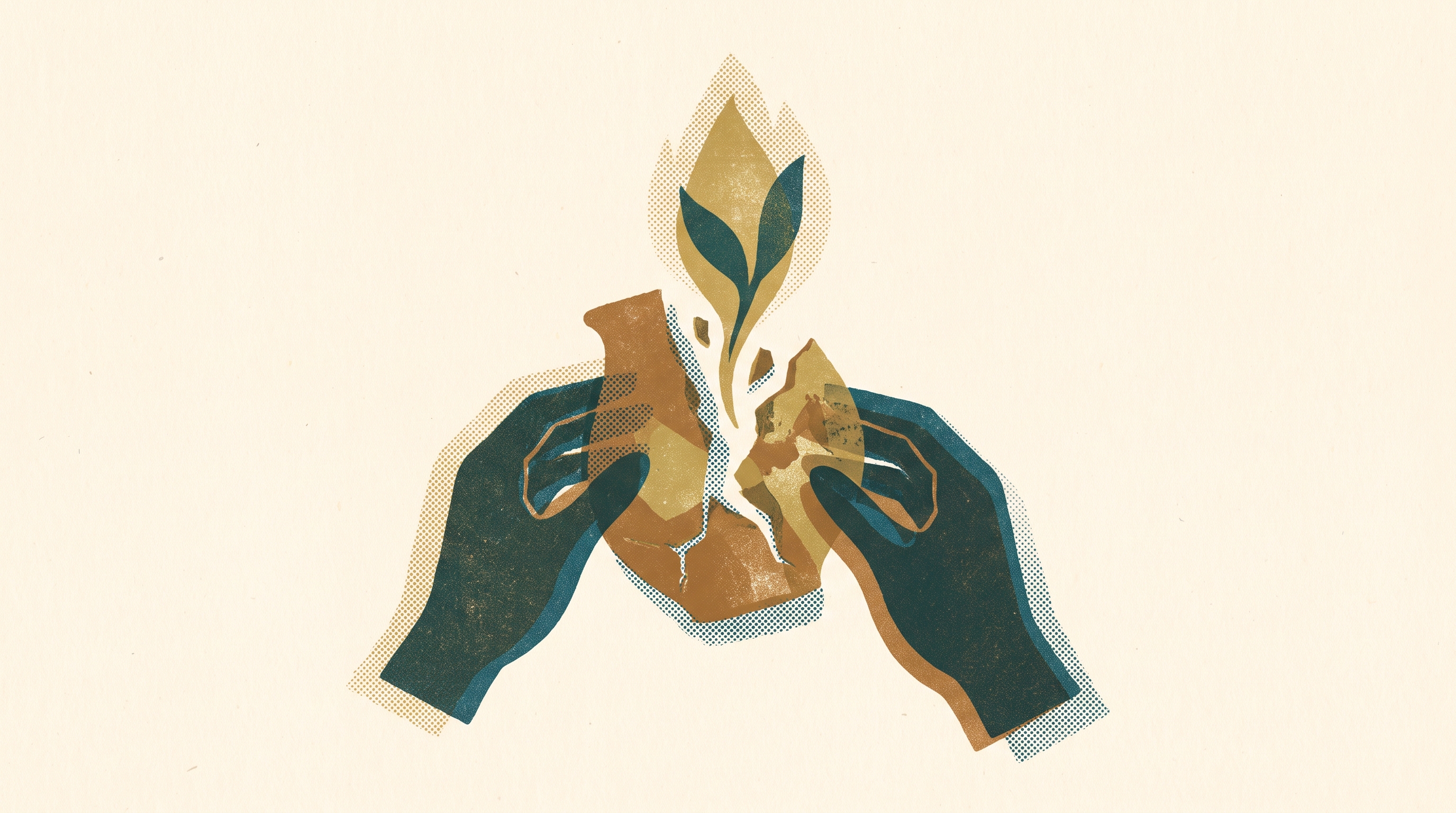
When players saw The Wind Waker for the first time in 2001, many reacted the same way Miyamoto had. They called it 'Cel-da.' They said it looked like a children's toy. They wanted something that looked like the realistic tech demos Nintendo had shown for the GameCube. Some fans wrote letters. They said the new Link was not the character they knew.
The game released in 2002. It was structurally complete — the sailing, the dungeons, the combat — but some players noted the late-game pacing felt rushed, as if parts had been cut to meet a deadline. Yet over time, something shifted. The art style that had seemed wrong at launch aged better than the realistic graphics players had asked for. Twenty years later, The Wind Waker is remembered as one of the best games in the series.
Aonuma stayed with the franchise. He became producer, then general manager of Nintendo's Entertainment Planning and Development division. He oversaw Twilight Princess, Skyward Sword, Breath of the Wild, Tears of the Kingdom. In interviews he describes his design philosophy simply: gameplay first, then build a story around it. He does not start with narrative. He starts with what the player does, and only then asks how to help them understand why they are doing it.
The choice he made in 2001 — to protect an idea by keeping it secret from the person he trusted most — was not about rebellion. It was about belief. He had learned from Miyamoto how to make a Zelda game, and then he used that knowledge to make something Miyamoto would not have let him try. That is what it sometimes costs to keep a thing alive. You break the shape it had before, and you hope the people who loved it will understand why you had to.