
Kenji Yamamoto was riding his motorcycle home from Nintendo's Kyoto office. It was 1993, and he was working on a game called Super Metroid. The game was quiet. The player was alone — exploring tunnels, walking through empty rooms, descending deeper underground. No villages. No NPCs. Just a small figure in a powered suit, moving through ruins of a planet no one else was coming to.
Yamamoto was born on April 25, 1964, in Mie Prefecture. He graduated from Osaka University of Arts with a degree in music — the same university that Koji Kondo, the composer of Super Mario Bros., had attended. In 1987, Yamamoto joined Nintendo and was assigned to R&D2 where he composed the music for Punch-Out!! on the NES. Later, he moved to R&D1 and worked on games like the Famicom Detective Club series. He was good at this work. But this time, the brief was different. He was asked to write music for a place where no one was waiting — a planet full of silence.
He pulled over. The melody came all at once. He sang it into a tape recorder he carried, then rode the rest of the way home. The next day, he played it for Yoshio Sakamoto, the game's director. That melody became the theme of Super Metroid, the music that plays when you wander the red soil of Brinstar, when you swim through the drowned halls of Maridia, when you are deep underground and the next save room is not yet in sight.
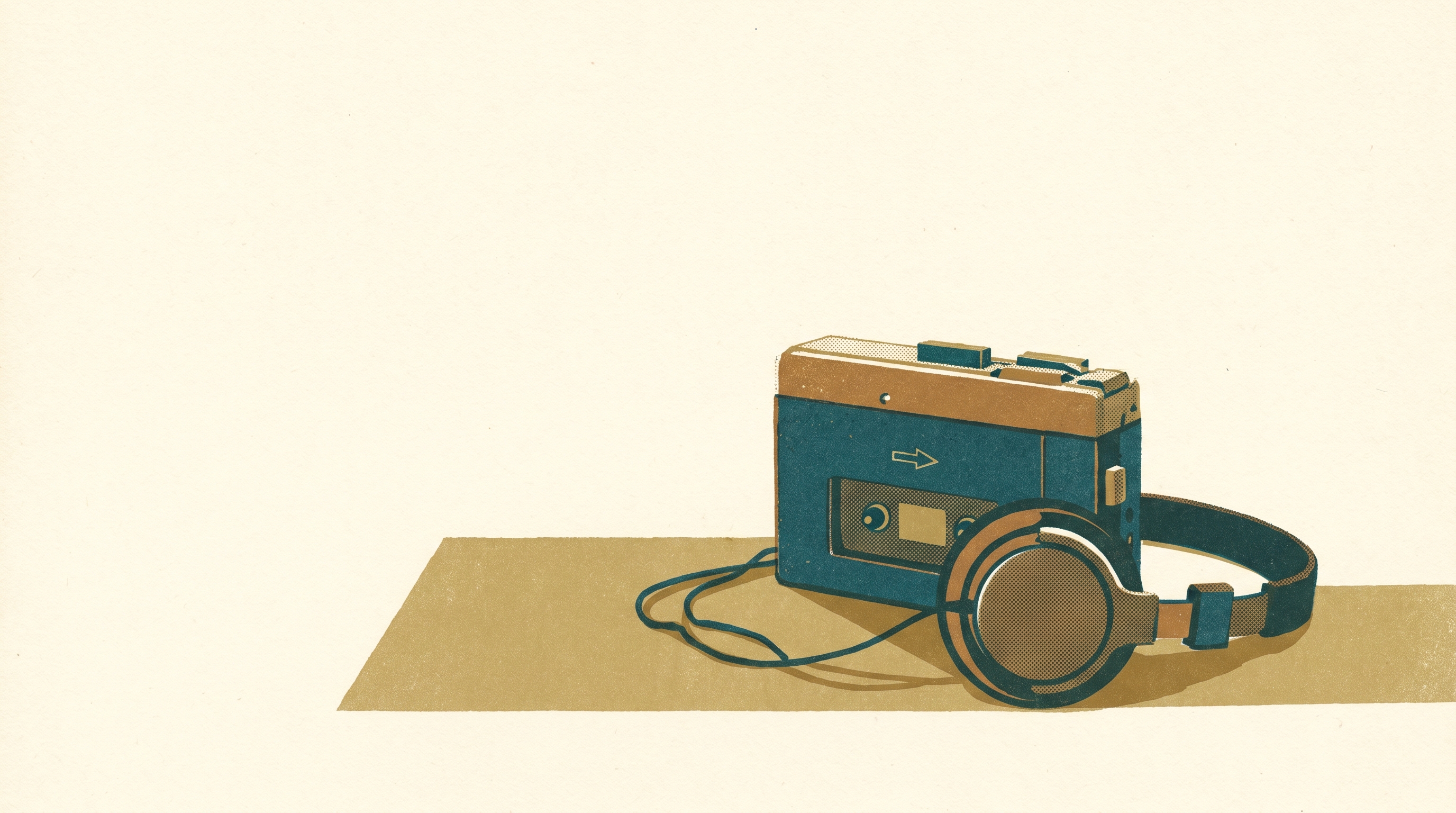
Composing for Metroid was not the same as composing for most games. There was no victory fanfare that looped every thirty seconds. There were no cheerful town themes. The game did not ask you to feel happy. It asked you to feel small, and far from home, and a little uncertain. Yamamoto's music did that — with heavy drums, slow piano lines, synthesized echoes that sounded like something breathing somewhere just out of sight.
Super Metroid was released on March 19, 1994, in Japan and on April 18 in North America. The game sold well — over a million copies — but what lasted longer than sales was the feeling. People remembered the silence. They remembered the loneliness. The music had become inseparable from what the game was about: being alone in a vast place where you had to figure things out yourself.

In 2002, Yamamoto was asked to compose the music for Metroid Prime, the first 3D game in the series, developed by a U.S. studio called Retro Studios. He felt that the music needed to maintain a connection to the original — not out of nostalgia, but out of continuity. So he took pieces he had written a decade earlier for Super Metroid and rearranged them, shifting the instrumentation but keeping the emotional architecture. Players who had explored Zebes in 1994 would, in 2002, hear something familiar underneath — a voice they recognized from a place they had once been.
Yamamoto continued working on Metroid games through the 2000s. He composed music for Metroid: Zero Mission, Metroid Prime 2: Echoes, Metroid Prime 3: Corruption. In all of them, the same principle held: the music was not there to comfort you. It was there to remind you that you were far from safety, that no one was coming, that the next door you opened might be the wrong one.
In interviews, he spoke simply. He said he wanted the music to match the atmosphere of each area — lush where the world was green, eerie where water drowned the light. He did not claim to have invented a genre or discovered a new method. He said he hummed melodies on his way home from work and recorded them. That was the process. A man on a motorcycle, pulling over to save a tune before it disappeared.
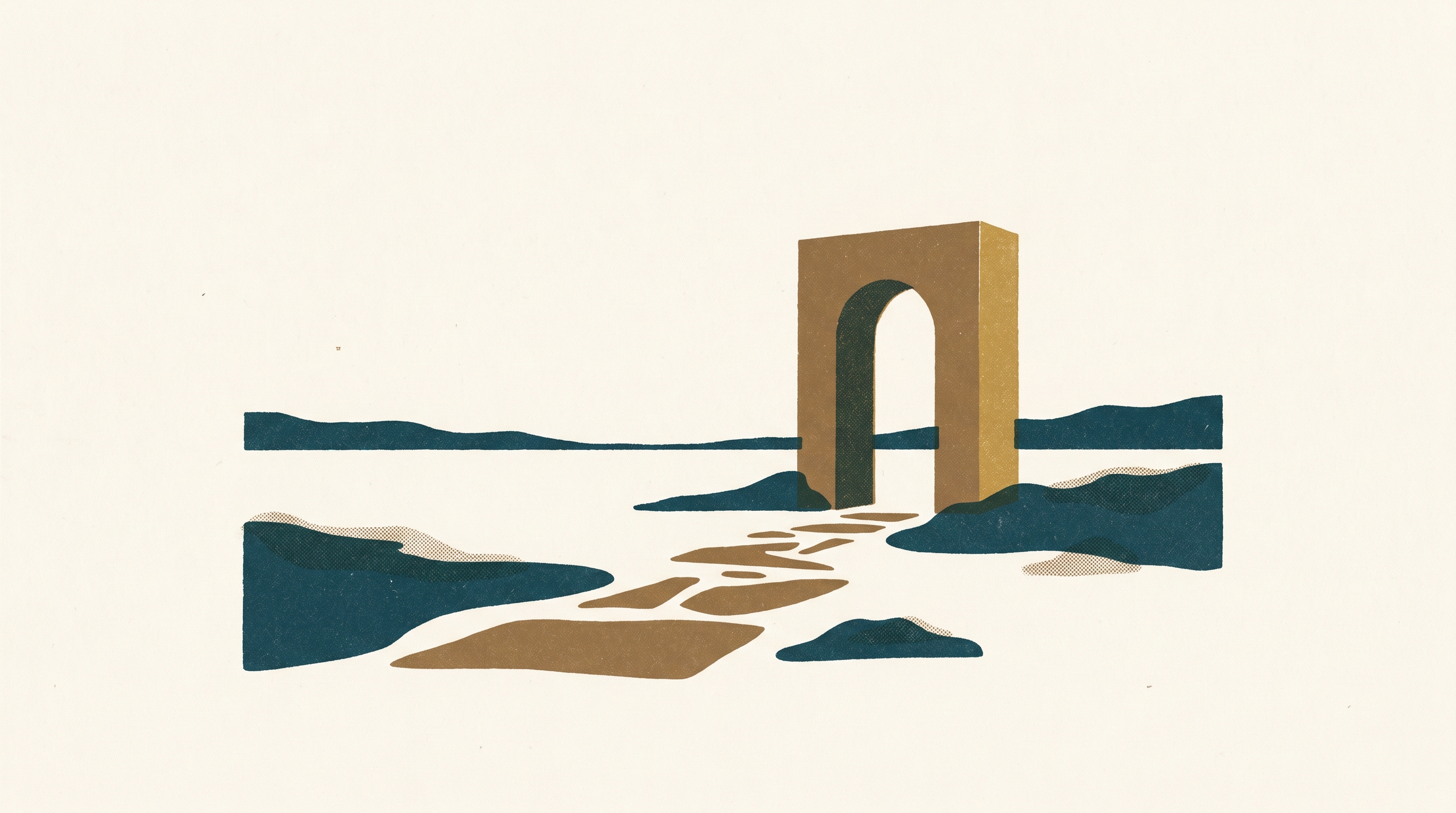
Most game music from that era was designed to be catchy. Yamamoto's music for Metroid was designed to be felt. It did not ask you to hum along. It asked you to notice the space around you — how wide it was, how quiet, how alone you were in it. And when you finally found the next save room, that music told you something else: you made it this far. You can rest. But only for a moment.
——When you are truly alone, with no script to follow and no one to tell you what comes next — is that loneliness, or is it the place where you finally hear yourself?