
The fog was thick. Players could see only a few steps ahead. The streets were quiet. The radio crackled static when something approached. This was Silent Hill in February 1999 — a survival horror game unlike anything players had encountered before.
Keiichiro Toyama was born in 1970 in Miyazaki Prefecture. He studied fine arts at Tokyo Zokei University and joined Konami in 1994 as a graphic artist. He worked on character design for Snatcher's Sega CD version and International Track & Field — tasks far from horror. Within five years he would direct one of the most influential horror games ever made.
The PlayStation could not render distant objects well. The hardware had severe draw-distance limitations. Toyama and Team Silent needed to hide what the console could not show. They used fog. They used darkness. These were not artistic choices — they were technical necessities. But in those necessities, something else emerged.
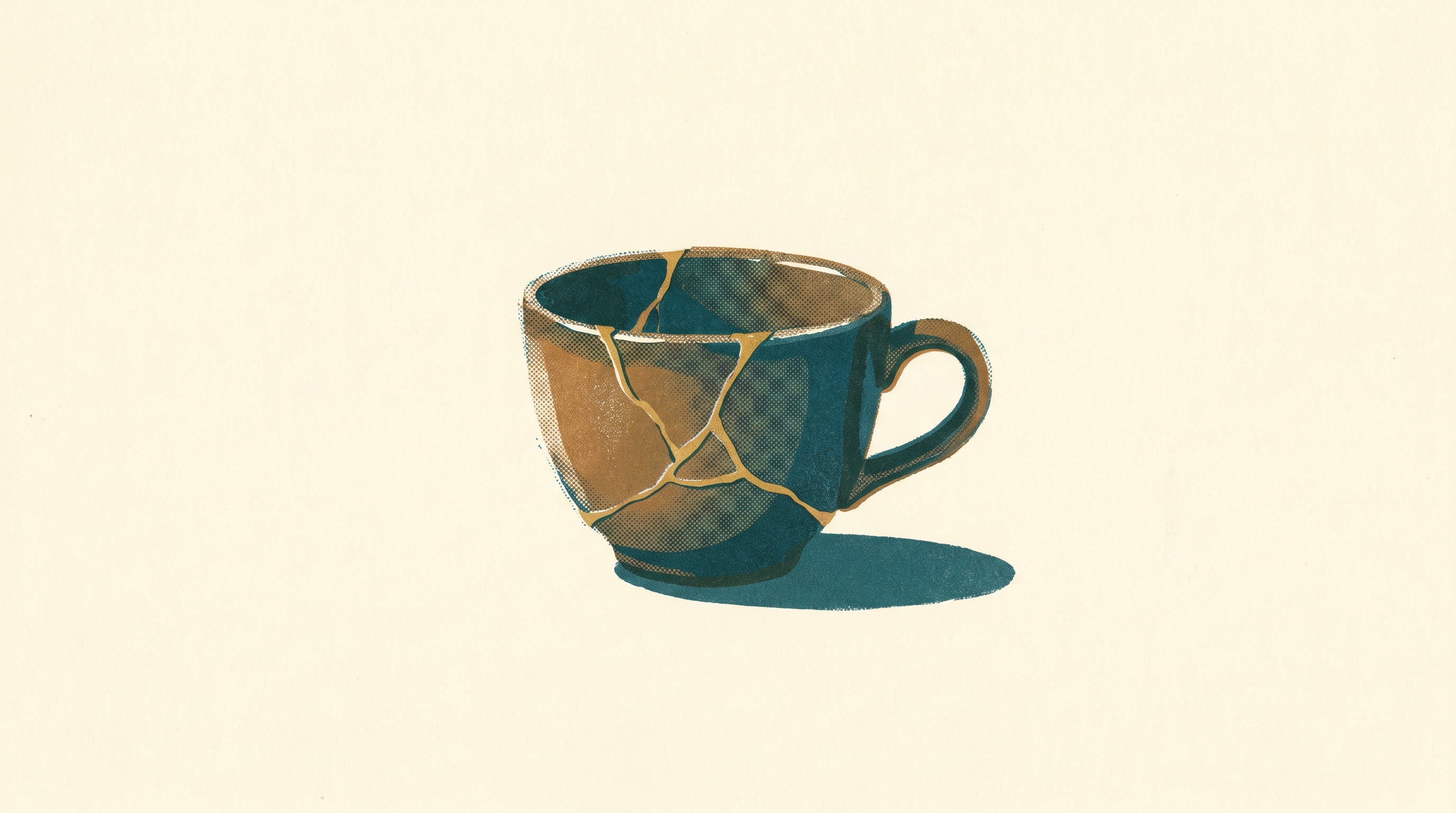
The fog did not just hide the hardware's limits. It hid the street ahead. It hid the buildings. It hid what was coming. Harry Mason, the game's protagonist, walked through an American resort town looking for his missing daughter. But the town kept changing. Rust appeared on metal. The streets cracked open. Shadows moved in ways shadows should not move. The fog made all of it feel close — too close — and the player could never see far enough to feel safe.
Toyama designed the monsters not as horror film clichés but as something more unsettling: manifestations of fear itself. The child-like figures twitching in the street. The nurses with distorted faces. These were not creatures from outside. They came from inside — the subconscious made visible. The game's sequel, Silent Hill 2, would refine this philosophy into something unforgettable, but the foundation was laid here: horror is not what jumps at you, it is what you carry with you.

Akira Yamaoka, the composer, volunteered for the project when no one else wanted it. He believed he was the only person who could make the right soundtrack. He used industrial noise. Radio static. Distant guitar. His music did not tell the player how to feel — it made them feel it before they understood why. Together with the fog, with the rust, with the silence, Yamaoka's sound became the emotional texture of the town itself.
The game was released in North America on 23 February 1999, nine days before Japan — an unusual sequence for Konami at the time. It sold over two million copies. It defined a genre Resident Evil had opened but had not fully explored: psychological survival horror. Silent Hill showed that fear does not need fangs or claws. It only needs a familiar place — a street you know, a building you recognize — and one thing wrong. Just one thing, tilted slightly. That is enough.
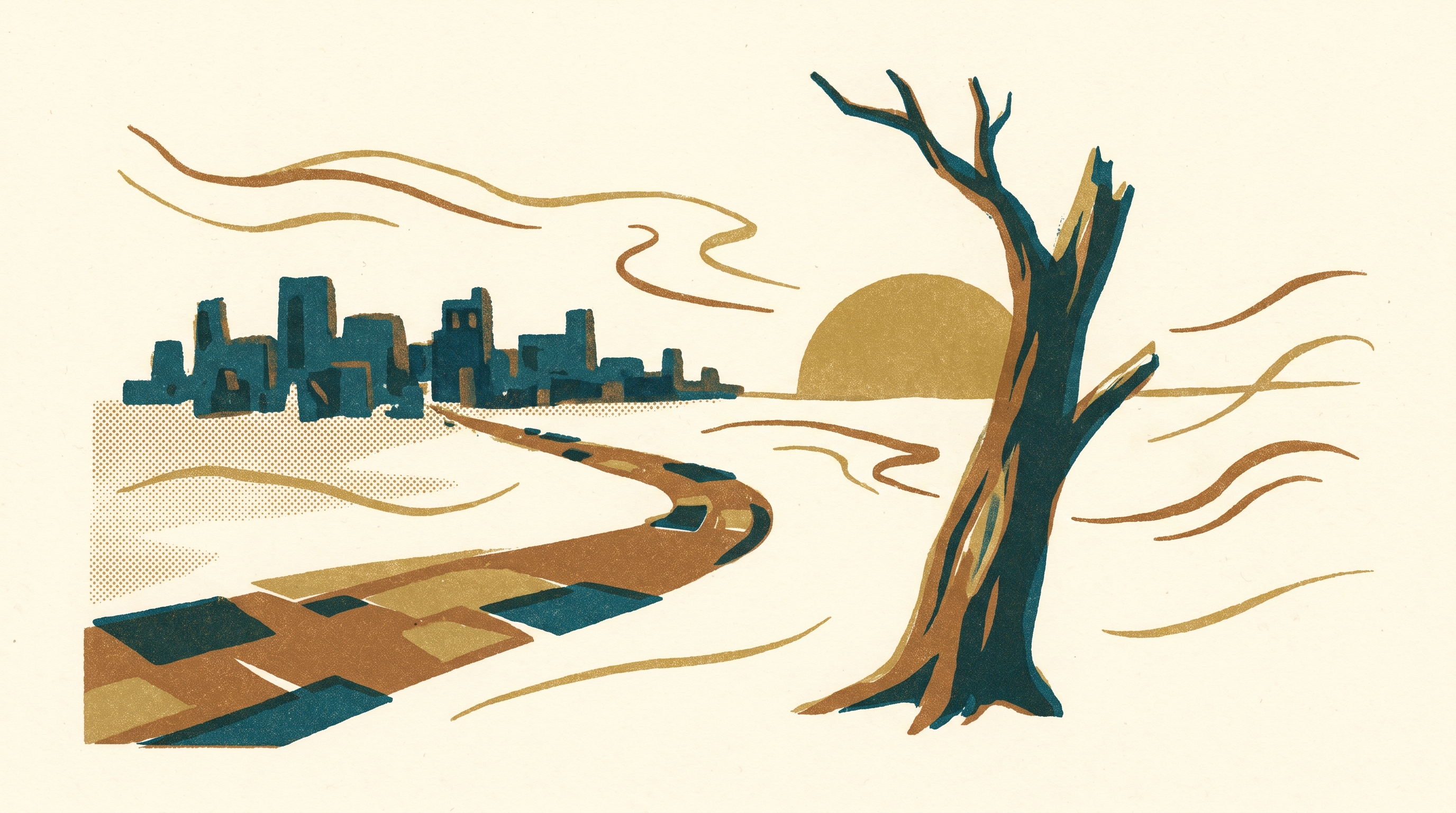
Toyama left Konami after the first game. He joined Sony's Japan Studio, where he directed Siren in 2003 and Gravity Rush in 2012. In 2020, after nearly three decades in large corporations, he left Sony to found Bokeh Game Studio with two longtime collaborators. He chose independence. He is still making things.
Silent Hill remains. The fog is still there. The radio still crackles. And the question the game asks has not changed since 1999: what happens when the place you thought you knew stops looking like itself?