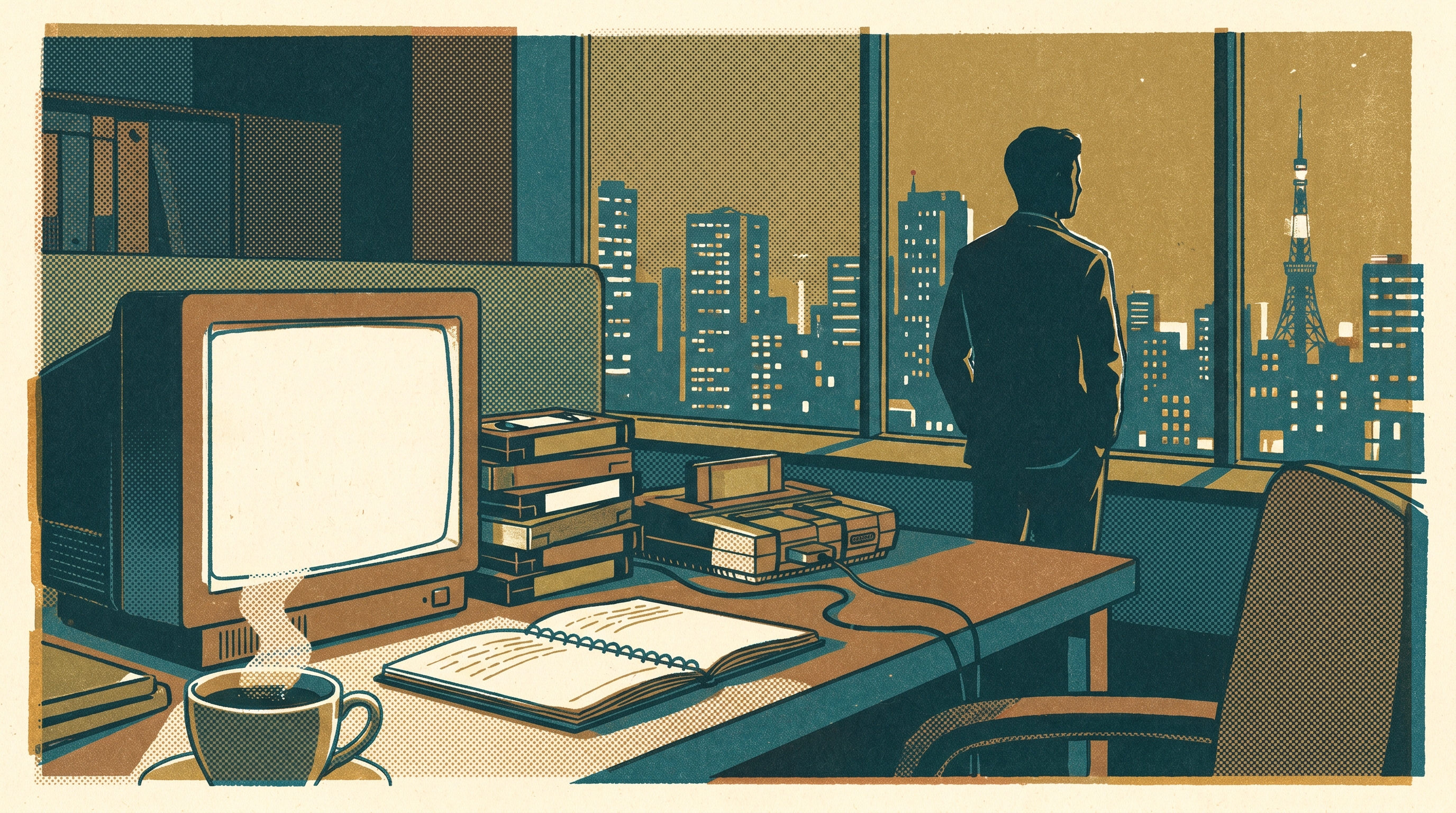
In December 2015, Hideo Kojima stood on a stage at the PlayStation Experience event in San Francisco. He was fifty-two years old. Behind him was a single slide with the logo of a company that did not yet exist. Kojima Productions, it said. The name was the same as the one he had used inside Konami for ten years, but this time the company was his. He told the audience there was still work to do.
Twenty-nine years earlier, in 1986, Kojima had joined Konami. He had wanted to make films, but no one in the film industry had hired him. He studied economics at university and applied to game companies when he graduated. Most of them turned him down. Konami took him. He was twenty-three and knew almost nothing about programming.
His first assignment was a game for the MSX2 home computer. The hardware could not render enough enemies on screen for a traditional action game. Kojima built the design around the limitation. The player controlled a soldier infiltrating an enemy base, and the goal was not to shoot everyone but to avoid being seen. Combat was possible, but hiding was safer. Silence was the strategy. The game was called Metal Gear, and it was released in July 1987. It sold well in Japan and became the foundation of what would later be called the stealth game genre.
Over the next decade, Kojima directed sequels and built a reputation. In 1998, he released Metal Gear Solid for the PlayStation. It combined stealth gameplay with full voice acting and cinematic camera angles, showing that video games could carry the narrative weight of film. The game shipped more than six million copies worldwide. Kojima's name became known outside Japan, and it became inseparable from the series he had built.
He continued to direct Metal Gear Solid sequels through the 2000s. Each installment grew in narrative scope and mechanical complexity. His games explored themes of nuclear deterrence, genetic determinism, information control, and the ethics of war. They were also known for playful absurdity — codec conversations about movies, fourth-wall-breaking gags, and Easter eggs that rewarded attention. In a 2012 interview, Kojima said he wanted his games to teach something about life by presenting situations where the answer was not a clear yes or no.
In March 2015, Konami announced a corporate restructuring. The company moved from a studio-based model to a headquarters-controlled system. Kojima lost his executive title. Reports emerged that his team had been isolated from the company's internal network and that he had been told to stop public communication. In October, sources confirmed that Kojima had left Konami after twenty-nine years. His employment contract concluded in December. He was barred from attending The Game Awards on December 3, where Metal Gear Solid V: The Phantom Pain won awards for Best Score/Soundtrack and Best Action/Adventure. The host, Geoff Keighley, told the audience that Kojima had wanted to be there but that Konami's lawyers had informed him he would not be allowed to travel.
Thirteen days later, on December 16, Kojima announced the establishment of an independent studio in partnership with Sony Computer Entertainment. The new company was called Kojima Productions. He began recruiting staff and searching for an engine. In January 2016, the team started building. The first project was announced at E3 2016. It was called Death Stranding, and no one knew what it was.
Death Stranding was released in November 2019 for PlayStation 4. Players controlled a courier in a post-apocalyptic America, delivering cargo across dangerous terrain while managing balance, stamina, and weight. The central mechanic was not combat but cooperation. Players could leave equipment, structures, and signs for others in their game world, creating a shared infrastructure of mutual support. Critical reception was divided, but the game sold well and was recognized for attempting something structurally unusual.
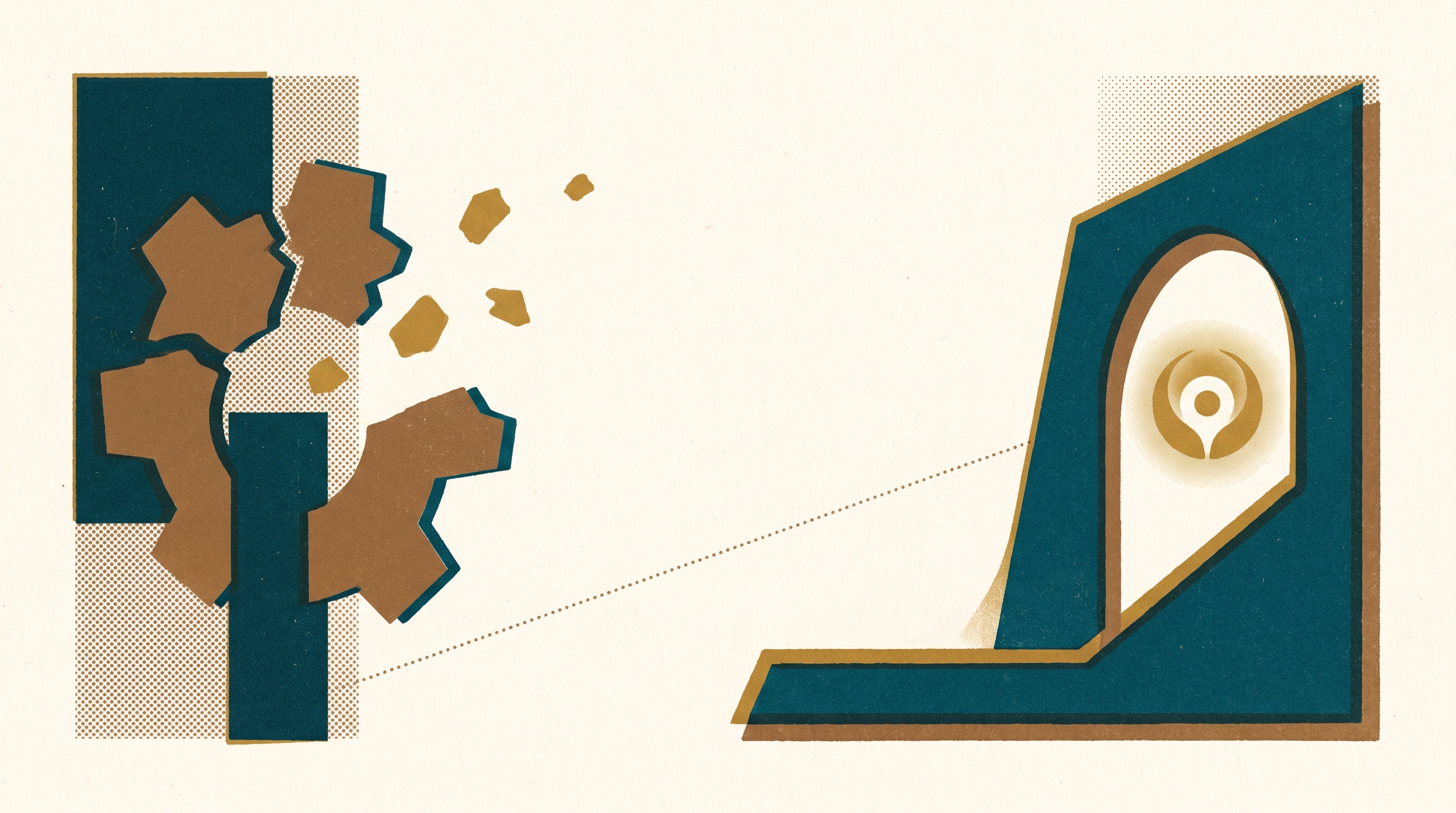
Kojima's career shows that constraints can be starting points. When the MSX2 could not render enough enemies, he made a game about not being seen. When he could not enter the film industry, he built cinematic structures inside games. When he left the company that had published his work for twenty-nine years, he started again. The choice to keep working, to continue making things under new conditions, is the thread that runs through his story. What he has shown is that the work itself — the act of building something and putting it in front of people — is a renewable resource, even when everything else changes.